
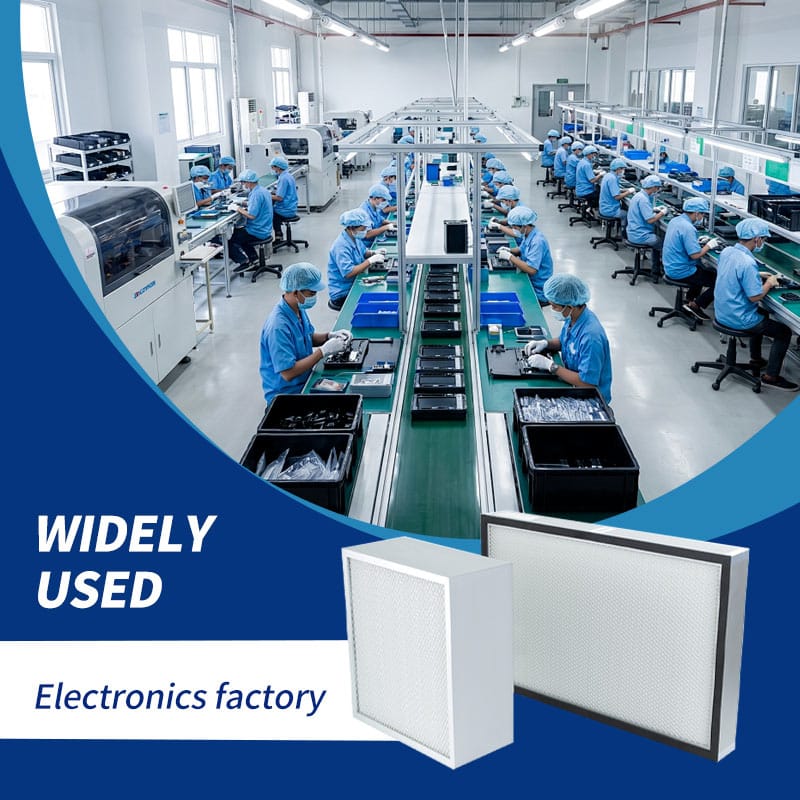
In the capital-intensive global cleanroom supply chain—spanning semiconductor wafer fabs, cGMP biopharmaceutical suites, and hospital isolation complexes—mechanical contractors and international channel distributors face relentless margin compression. While low-bid material procurement remains a common short-term reflex, it triggers a devastating cascade of hidden financial liabilities: volumetric ocean freight inefficiencies, fragile media scrap rates during multi-node distribution, and catastrophic commissioning validation failures that lock up retention cash flows. Investing in advanced, space-saving, precision-engineered mini-pleat HEPA filters systematically de-risks project delivery and distribution profitability. By optimizing container shipping density by up to 40%, eliminating transit write-offs, and—as detailed in our site installation guide—slashing direct job-site labor overhead, compact high-efficiency filtration transforms terminal units from a commodity line item into a powerful financial margin accelerator.
Note: This commercial and channel supply chain brief is part of our authoritative engineering series on terminal cleanroom filtration. While this guide focuses on financial ROI, logistics optimization, and commercial risk mitigation, readers seeking physical installation labor breakdowns should consult our companion resource, Reducing Labor Costs on Site: The Easy-to-Install Advantages of Mini HEPA Filters. For core technical material parameters and FFU mating protocols, explore the Ultimate Engineering Guide to Mini-Pleat HEPA Filters and The Ultimate Guide to Matching Mini HEPA Filters with FFU.
The Low-Bid Procurement Trap: Shifting from BOM Cost to Total Cost of Ownership (TCO)
When mechanical contracting firms and regional distribution partners prepare bids for ISO Class 1 through 8 controlled environments, procurement departments are under heavy pressure to minimize the initial Bill of Materials (BOM) cost. However, anchoring purchasing decisions exclusively to unit purchase price introduces severe, unbudgeted vulnerabilities.
The Fallacy of Upfront Unit Savings: Sourcing low-tier, budget-grade terminal filters often exposes projects to unverified manufacturing tolerances, inconsistent media thickness, and unreliable sealing interfaces. A nominal savings of $5 to $10 per unit on a 500-unit BOM represents less than 0.5% of total project capital expenditure.
The Multiplier Effect of Supply Chain Latency: In high-stakes industrial builds, a single sub-component failure can cripple the master critical path. When mechanical components fail third-party validation, the resulting financial drain—extended job-site overhead, site supervision salaries, equipment rental extensions, and client-enforced liquidated damages—drastically eclipses any initial savings achieved on the filter unit price.
Optimizing Global Logistics & Warehousing: The Distributor’s Margin Advantage
For international channel partners and regional distributors, profitability is governed as much by global supply chain efficiency and warehouse footprint utilization as it is by unit markup.
The Logistics Penalty of Bulky Filtration: Traditional deep-pleat filters, reliant on thick wooden frames and bulky corrugated aluminum separator foils, suffer from poor volumetric efficiency. They consume excessive shipping container space, driving up ocean freight cost-per-unit and tying up expensive, climate-controlled warehouse floor space.
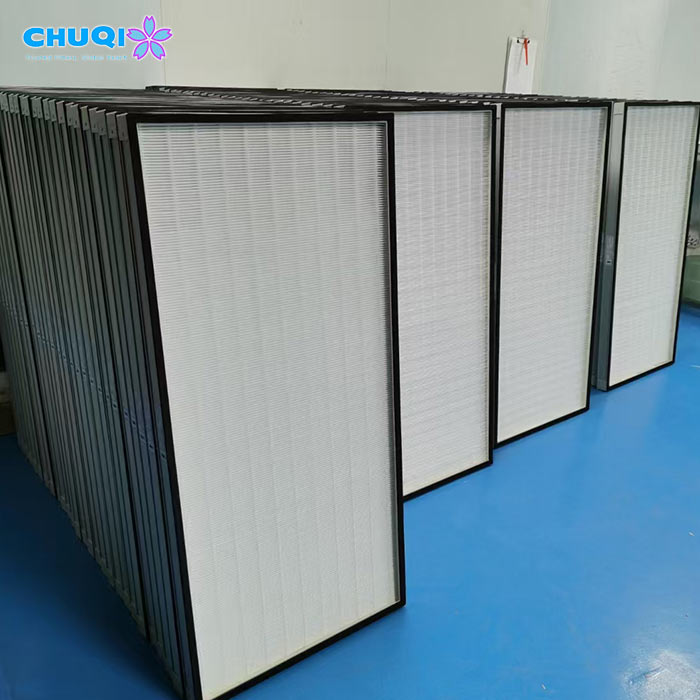
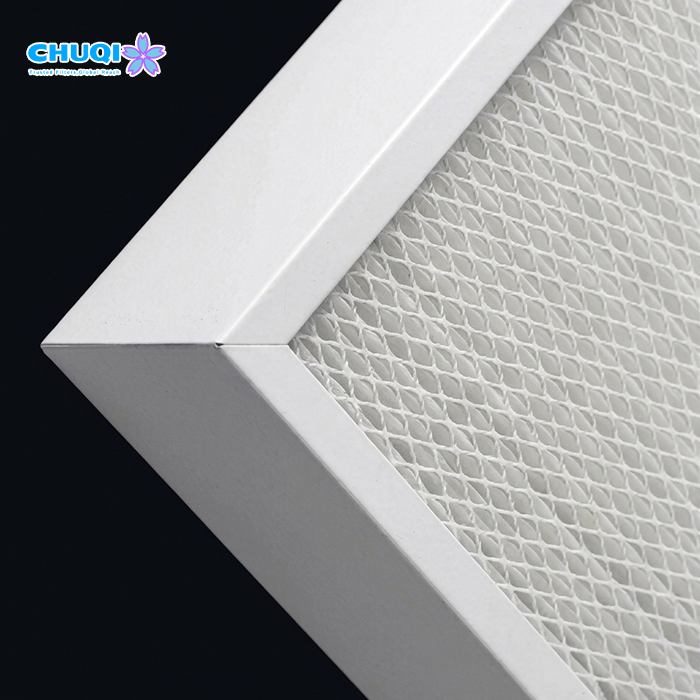
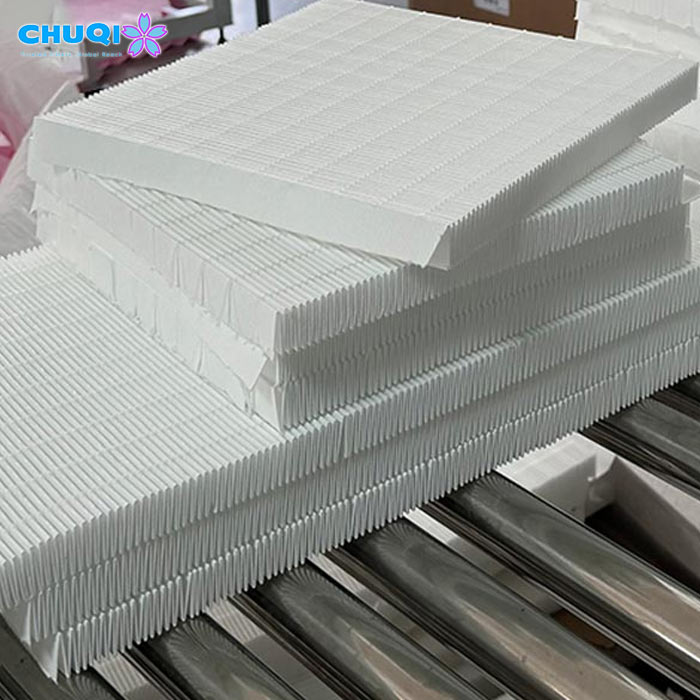
Space-Saving Cube Optimization: Advanced mini-pleat HEPA filters feature a slim-profile architectural footprint (frequently 40% to 50% thinner than traditional units) paired with lightweight, high-rigidity anodized aluminum frames. This high-density stacking capability allows distributors to pack significantly more units per pallet and per 40-foot high-cube container. The resulting reduction in inbound logistics cost-per-unit directly expands channel partner margins before the product ever arrives at the regional warehouse or job site.
Protecting Retention Cash Flow Through First-Pass Commissioning Success
For cleanroom general contractors and mechanical sub-contractors, true net project profit is heavily tied to the timely release of project retention funds (typically 5% to 10% of total contract value), which are strictly locked behind final client sign-off and successful validation.
The Financial Penalty of Commissioning Rework: When an in-situ aerosol challenge test (ISO 14644-3) detects perimeter bypass or media leakage during final facility handover, the facility owner withholds formal acceptance. The contractor is instantly forced to absorb unbillable remobilization costs, redeploy specialized testing engineers, and delay final billing milestones.
First-Pass Validation as a Cash Flow Catalyst: Compact mini-pleat HEPA filters engineered with zero-tolerance squareness and self-healing U-channel gel seals ensure absolute containment integrity from day one. Securing 100% first-pass compliance on initial photometric scans accelerates project closure, ensures immediate client sign-off, and releases retention cash flow into accounts receivable without friction. (For a deeper look into how zero-tool drop-in designs accelerate this process on site, review our Site Labor Cost Reduction Guide).
Mitigating Distribution Chain Shrinkage & Inventory Write-Offs
For international channel partners and regional distributors, profitability is heavily dictated by inventory integrity and minimizing stock write-offs during multi-node transit.
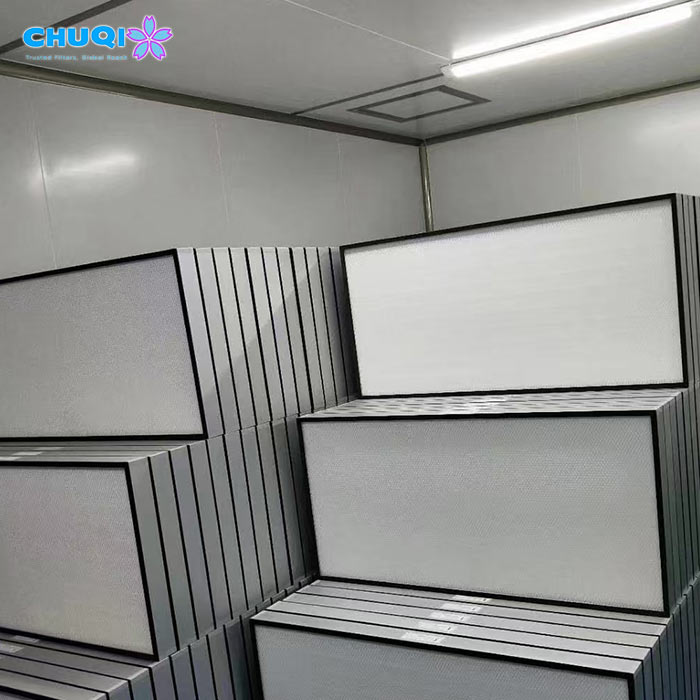
The Margin Drain of Transit & Warehouse Scrap: Traditional deep-pleat filters, constructed with fragile wood or thin galvanized frames and exposed corrugated separators, suffer high damage rates during long-haul ocean freight, multi-tier warehouse cross-docking, and local last-mile distribution. A 3% to 5% transit damage rate directly decimates a distributor’s wholesale margin and triggers costly, friction-filled insurance claims.
Rigid Architectural Cage Defense for Stock Integrity: Advanced mini-pleat HEPA filters utilize high-rigidity extruded aluminum frames paired with integrated structural face guards on both upstream and downstream faces. This engineered armor absorbs transit vibration and stack compression across complex supply chains, ensuring a 100% stock integrity rate upon warehouse arrival and eliminating unbudgeted inventory write-offs. (For details on how this robust structural housing also protects the filter during rough job-site staging and installation, see our companion guide on Reducing Labor Costs on Site).

Defending Margins Against Warranty Claims and Securing Repeat Business
Contractor and distributor profitability does not terminate at delivery or project handover; long-term brand equity relies on faultless operational performance over the facility lifecycle.
Engineering Out Post-Installation Liability: Specifying robust, heavy-duty aluminum-extruded frames and moisture-resistant thermoplastic hot-melt mini-pleat matrices ensures long-term structural stability under fluctuating HVAC humidity. Premium durability insulates the channel from post-handover callback liabilities and warranty disputes.
Winning Repeat Business Through Channel Trust: Delivering defect-free, space-saving filtration solutions that pass validation flawlessly establishes both the distributor and the contractor as elite market players, securing preferred-vendor status and long-term framework agreements.
Commercial Summary & Channel Procurement Resources
Maximizing contractor profitability and distributor ROI requires looking beyond initial unit pricing to embrace a comprehensive Total Cost of Ownership (TCO) and logistics efficiency strategy. Space-saving, high-efficiency mini-pleat HEPA filters serve as strategic financial instruments that de-risk execution, slash freight overhead, protect cash flow, and secure long-term margins.
To evaluate how our commercial support and engineering specifications can enhance your upcoming project bids or distribution portfolio, explore our comprehensive resource network:
Foundational Material Science: Review our core material specifications in the Ultimate Engineering Guide to Mini-Pleat HEPA Filters.
On-Site Installation Labor & Ergonomics: Analyze direct site installation efficiencies and man-hour savings in Reducing Labor Costs on Site: The Easy-to-Install Advantages of Mini HEPA Filters.
Airflow & Plenum Compatibility: Explore The Ultimate Guide to Matching Mini HEPA Filters with FFU to align static pressures and mechanical mating geometries.
Commercial & Volume Distribution Support: For tailored volume pricing tiers, container cube optimization guides, project submittal documentation, or dedicated commercial quotation schedules, you are invited to connect with our commercial engineering team.