What Makes the Best Paint Spray Booth Ceiling Diffusion Filter? The Definitive Industrial Engineering Guide

In high-end automotive manufacturing, aerospace finishing, and precision industrial coating lines, the cost of a paint defect is catastrophic. When a finished vehicle body or high-gloss cabinet panel reveals microscopic dust inclusions, orange peel, or surface cratering, the financial drain of sanding, stripping, and repainting runs into thousands of dollars per batch.

Engineers frequently audit spray guns, flash-off zones, curing oven temperatures, and paint viscosity, yet overlook the fundamental source of contamination: the paint spray booth ceiling diffusion filter.

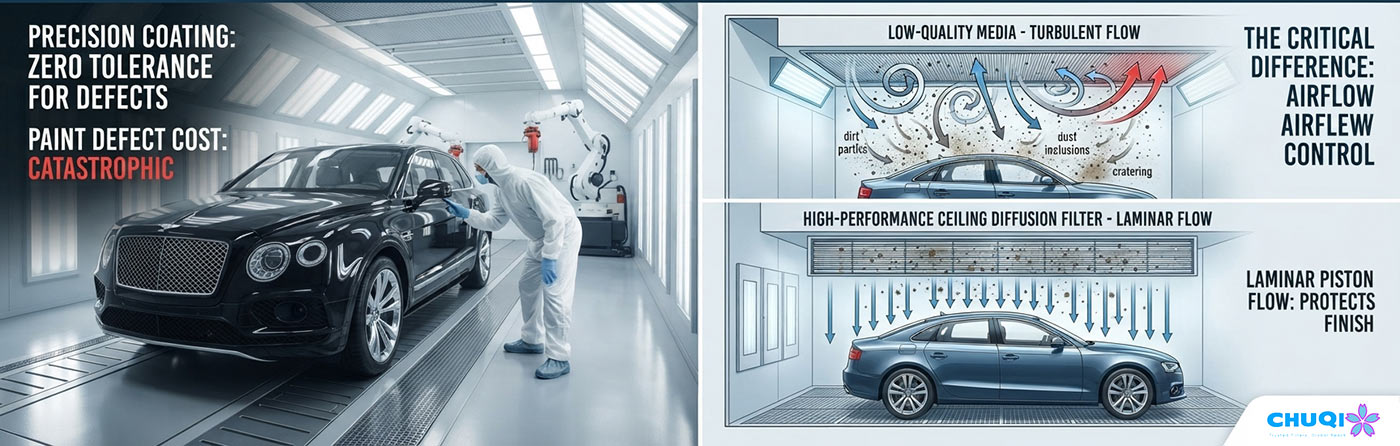
Acting as the final barrier before conditioned, temperature-regulated air enters the ultra-clean coating enclosure, the ceiling filter dictates whether airflow remains a smooth, laminar piston or breaks into turbulent eddies that drag debris onto wet paint films. What engineering metrics truly separate a mediocre media from a best-in-class ceiling filter? This comprehensive engineering and procurement guide breaks down the science of high-efficiency ceiling diffusion media, providing the technical criteria necessary to optimize booth performance, eliminate surface defects, and minimize total operational cost.

paint spray booth ceiling diffusion filter airflow engineering

Standard non-woven synthetic media cannot survive the rigorous demands of continuous industrial coating operations and safety codes. A top-tier ceiling diffusion filter must satisfy five rigorous engineering parameters:

  • Graded Particle Capture (Sub-Micron Efficiency): The ability to capture 3 micrometers and sub-micron paint mist overspray and atmospheric particulates while maintaining a low initial pressure drop.

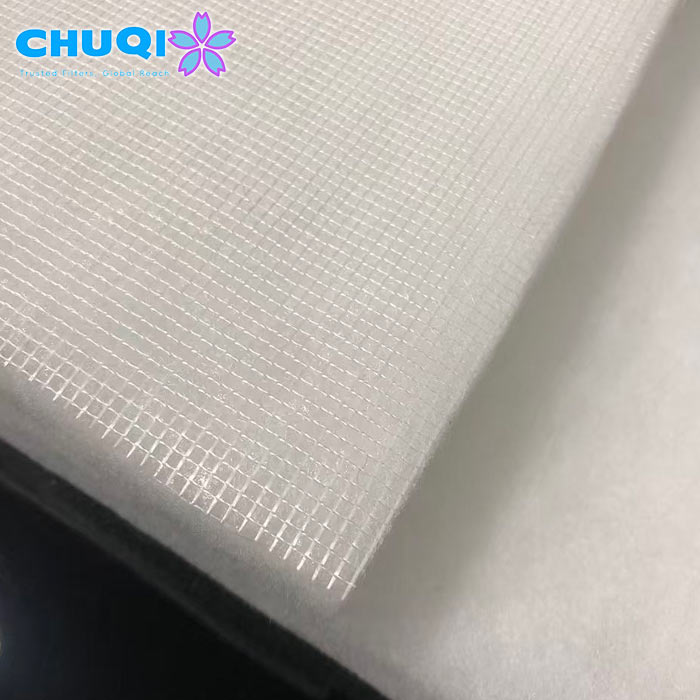
  • Zero Filament Migration (Tensile Integrity): Utilizing advanced thermal bonding to ensure zero fiber shedding, even under high-velocity continuous airflow.

  • Piston-Like Laminar Airflow Control: Spreading air evenly across the cross-section of the booth to prevent local air pockets and dead zones.

  • Absolute Chemical Inertness: Guaranteed 100% silicone-free and binder-stable formulation to completely eradicate the risk of paint cratering and fisheyes.

  • Strict Flame Retardancy (Fire Safety Compliance): Engineered with self-extinguishing synthetic fibers compliant with rigorous international standards (such as DIN 53438 F1 or UL 900 Class 2), ensuring maximum safety inside high-temperature baking and thermal curing environments.

Unpacking the Specifications: Four Critical Engineering Pillars

To evaluate ceiling media beyond generic vendor marketing, technical evaluation teams must analyze four core engineering pillars. (Note: Our specialized technical breakdowns analyze each of these factors in depth).

1. Weight, Efficiency, and the GSM Myth (600g vs. 500g)

A pervasive misconception in industrial filtration procurement is that a higher grammage automatically equates to superior filtration. Many engineering specifications blindly mandate 600gsm media, assuming it outperforms 500gsm variants. In reality, filtration efficiency is dictated by fine fiber denier, packing density gradients, and calibrated air permeability, not brute weight. An improperly dense 600gsm media can cause premature static pressure spikes and restrict airflow.

🔗 Read our in-depth analysis: [600gsm vs. 500gsm Paint Booth Ceiling Filters: Which GSM Offers the Best Value & Efficiency?]

2. The Science of Dust Holding & Full-Depth Impregnation

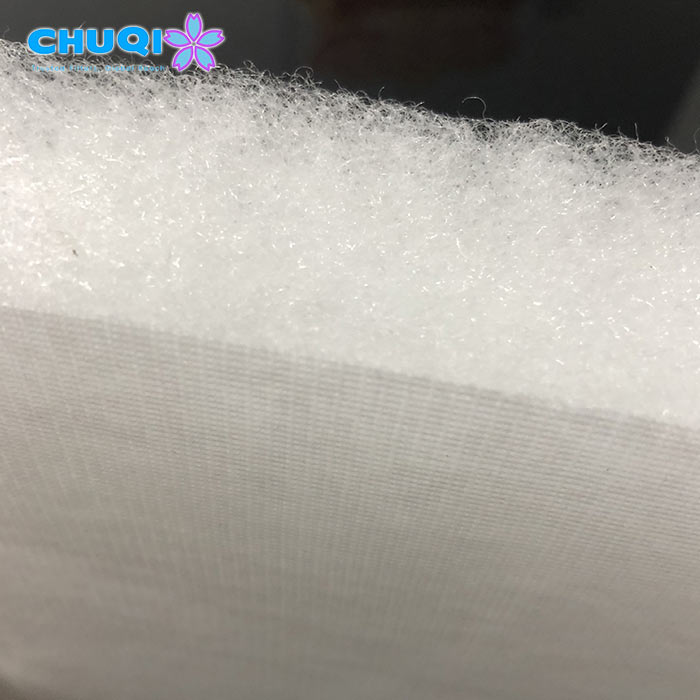
Surface-coated filter media frequently experience adhesive migration and stripping under high-velocity airflow, leading to sudden dust breakthrough and fiber shedding. Premium ceiling filters utilize full-depth impregnation technology, locking specialized tacky agents throughout the entire synthetic fiber matrix to capture and permanently immobilize microscopic particles.

🔗 Learn more about adhesive engineering: [The Science of Dust Holding: Why Full-Depth Tackifier Impregnation Matters in Ceiling Filters]

3. Chemical Purity and Silicone-Free Manufacturing

For high-end automotive and aerospace coating lines, the presence of silicone oils or volatile organic compounds (VOCs) causes catastrophic surface defects, commonly known as cratering or fisheyes. Top-grade ceiling filters must feature certified 100% silicone-free construction and comply with strict environmental directives.

4. Aerodynamics and Progressive Density Structure

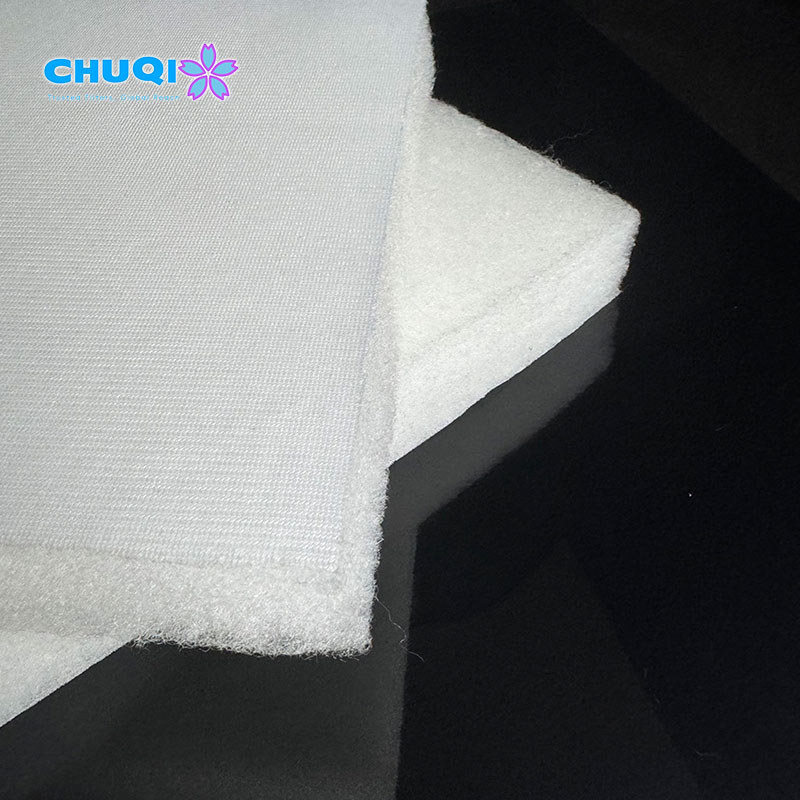
Airflow turbulence creates micro-eddies that pull airborne dust particles downward onto freshly sprayed surfaces. Premium ceiling filters utilize a progressive density structure—where synthetic fibers transition smoothly from coarse on the air-entering side to ultra-fine on the air-leaving side—guaranteeing stable, streamlined laminar airflow.

🔗 Understand the physics of airflow: [Why Progressive Density Structure Matters in Spray Booth Ceiling Media]

Global Quality Standards: Interpreting EN779 (F5) and ISO 16890 Metrics

When sourcing or auditing ceiling filtration media, engineering teams must demand certified, accredited laboratory documentation rather than manufacturer self-declarations.

  • EN 779 Standard: Historically classifies high-efficiency ceiling diffusion media under the F5 (or EU5) class, certifying an average arrestance efficiency of 98% or greater against synthetic test dust.

  • ISO 16890 Standard: The modern international protocol, evaluating filters based on particulate matter size fractions (ISO ePM10 and ISO ePM2.5). Premium ceiling filters must demonstrate high fractional capture efficiency to prevent sub-micron pigment particles from penetrating the workspace.

Always insist on third-party test reports (such as SGS, TÜV, or equivalent accredited laboratories) verifying initial resistance (Pa), final recommended pressure drop, and dust holding capacity (g/m²).

Commercial Procurement Strategy: Sourcing for Efficiency and Yield

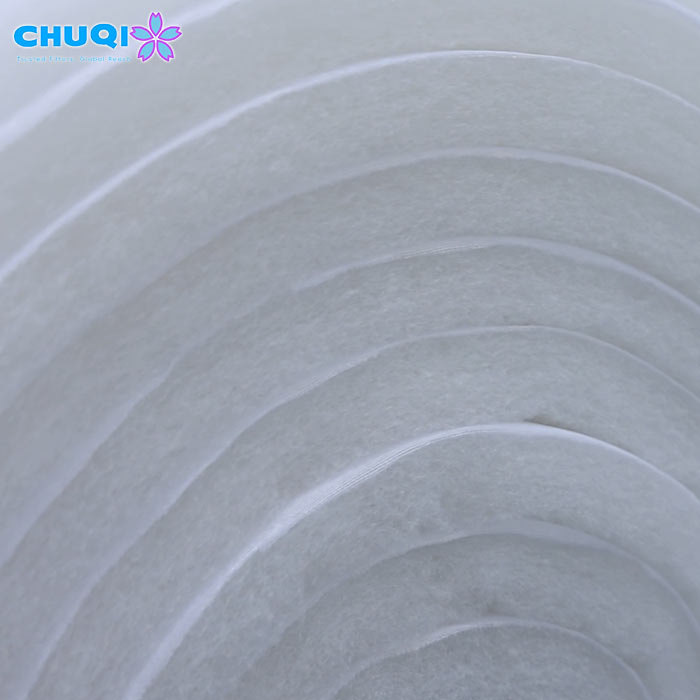
For plant operators and global supply chain directors, filtration performance is only half the equation—operational cost-efficiency and logistics reliability determine project success. Sourcing directly from certified manufacturing facilities allows buyers to eliminate middleman markups, customize roll configurations for specific plenum dimensions, and optimize international shipping volume through advanced vacuum-compressed packaging.

🔗 Get expert tips on cost reduction: [How to Source High-Quality, Cost-Effective Ceiling Diffusion Filters Direct from Manufacturers]

Selecting the optimal paint spray booth ceiling diffusion filter is a critical engineering choice that directly dictates your finishing quality, production output uptime, and operational budget. By prioritizing full-depth impregnation, progressive fiber density, verified international standards (EN779/ISO 16890), and direct factory channels, you can permanently eradicate paint defects while maximizing cost efficiency.

Scroll to Top