
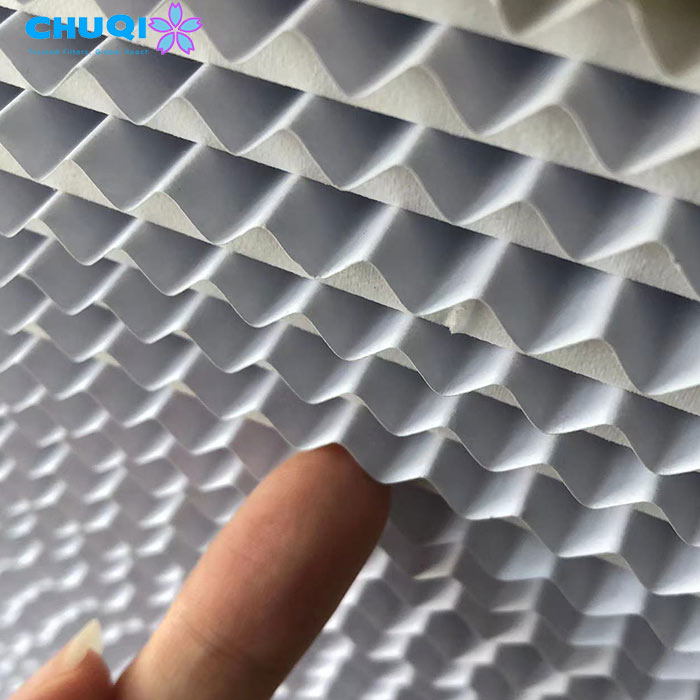
HEPA vs ULPA Filters: How to Choose for Your Application
The main difference between HEPA and ULPA filters is the level of particle penetration permitted under their respective classification requirements. ULPA filters
FAQ | Blog TEL:+86 13506981008 | Email:chuqifilter@chuqimat.com


In high-velocity industrial ventilation and cleanroom operations, standard single-density media frequently yields to structural stretching, bag ballooning, and fiber bypass, which compromises terminal HEPA filter protection and cleanroom ratings. Concurrently, uneven media porosity sparks rapid resistance spikes, inflating factory energy costs while forcing recurrent downtime for changeouts.
Chuqi’s premium synthetic pocket filter media resolves these critical operational bottlenecks at the source. Engineered via an advanced thermal-bonding process, our bag filter material integrates a strict progressive density structure with a high-tenacity reinforcement layer. It delivers exceptionally low pressure drop bag filter media performance alongside an optimized high dust holding capacity filter profile. Designed to withstand extreme pressure fluctuations without pocket deformation, this pocket filter roll provides cleanrooms, automotive spray booths, and commercial facilities with a highly stable, energy-saving, and fully compliant pre-filtration barrier.
Need a Custom Quote or Free Material Samples?
CHUQI delivers high-performance, custom OEM/ODM solutions tailored to your specifications. Contact us today to access factory-direct pricing, custom dimensions/efficiencies, and free sample support!

| Efficiency Grade (EN 779) | Common Size (H*W*D mm) | China Std. Color | Euro Std. Color | Pockets | Initial Resistance | Final Resistance | Temp / RH Limit |
|---|---|---|---|---|---|---|---|
| F5 | 595 * 595 * 600 | Light yellow | White | 6 | ≤ 45 Pa | 200 Pa | 80°C / 80% |
| F5 | 595 * 295 * 600 | Light yellow | White | 3 | ≤ 45 Pa | 200 Pa | 80°C / 80% |
| F5 | 495 * 595 * 600 | Light yellow | White | 6 | ≤ 45 Pa | 200 Pa | 80°C / 80% |
| F6 | 595 * 595 * 600 | Orange | Green | 8 | ≤ 55 Pa | 250 Pa | 80°C / 80% |
| F6 | 595 * 595 * 600 | Orange | Green | 6 | ≤ 55 Pa | 250 Pa | 80°C / 80% |
| F6 | 595 * 295 * 600 | Orange | Green | 3 | ≤ 55 Pa | 250 Pa | 80°C / 80% |
| F6 | 495 * 595 * 600 | Orange | Green | 6 | ≤ 55 Pa | 250 Pa | 80°C / 80% |
| F7 | 595 * 595 * 600 | Purple | Pink | 8 | ≤ 65 Pa | 300 Pa | 80°C / 80% |
| F7 | 595 * 595 * 600 | Purple | Pink | 6 | ≤ 65 Pa | 300 Pa | 80°C / 80% |
| F7 | 595 * 295 * 600 | Purple | Pink | 3 | ≤ 65 Pa | 300 Pa | 80°C / 80% |
| F7 | 495 * 595 * 600 | Purple | Pink | 6 | ≤ 65 Pa | 300 Pa | 80°C / 80% |
A: For standard specification pocket filter media, our MOQ is 10 rolls. For non-standard slitting widths, custom fiber layers, or modified weights, the production MOQ is 500 square meters per specification to support correct machine setup.
A: Yes, we offer complimentary A4 material samples or 1-meter cut swatches for your internal lab assessments. For full-size testing rolls or prototype runs, sample sets can be dispatched quickly with shipping logistics arranged by the buyer.
A: Our mill functions under strict ISO 9001 governance. The entire line of synthetic pocket filter media is built to comply with EN 779 international classifications (F5/F6/F7 grades) and fully satisfies RoHS/REACH standards required for European municipal and industrial engineering tenders.
A: Standard catalog sizes are regularly kept in inventory and can dispatch within 7–10 business days. For standard full container orders (20GP/40HQ) or specialized OEM custom runs, production is completed within 15–20 days following formal down payment verification.

The main difference between HEPA and ULPA filters is the level of particle penetration permitted under their respective classification requirements. ULPA filters
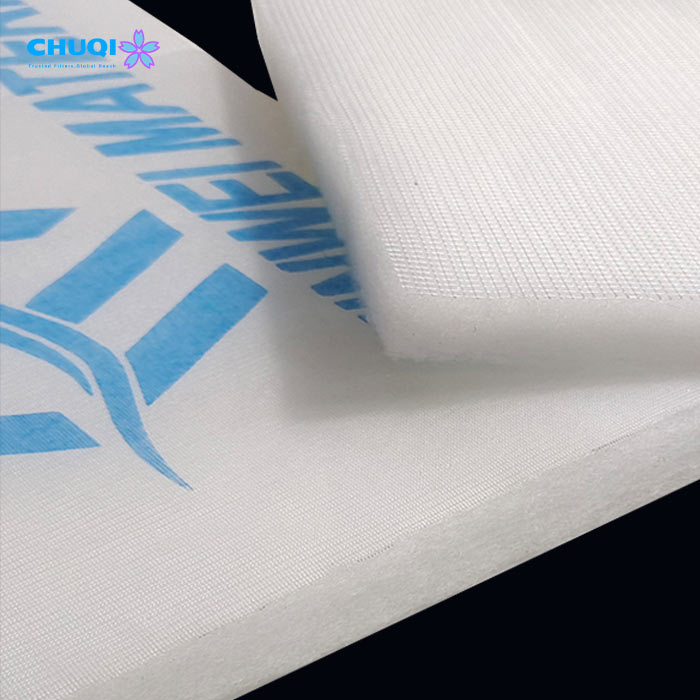
Choosing flame-retardant spray booth ceiling filters requires more than checking a fire-rating label. DIN 53438 F1 and UL 900 address fire-related performance
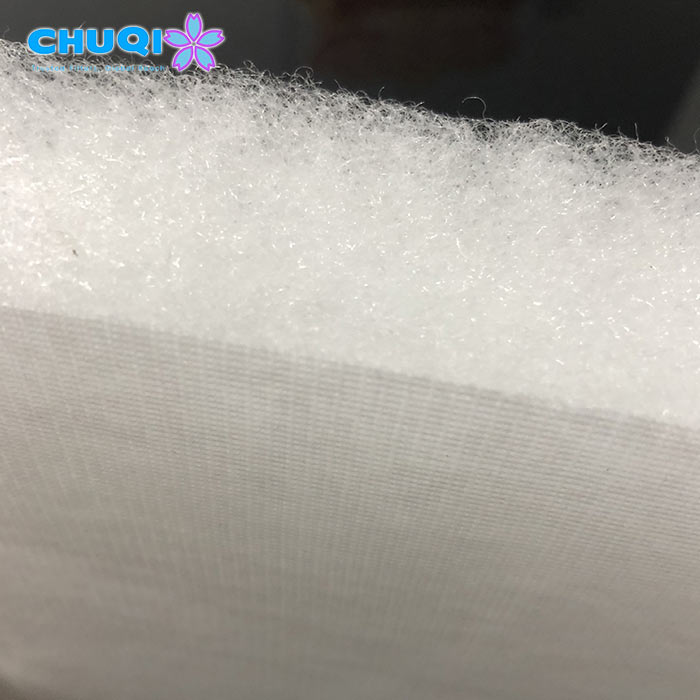
F5 and M5 refer to historically corresponding filter classes from different editions of EN 779. Under EN 779:2012, M5 describes
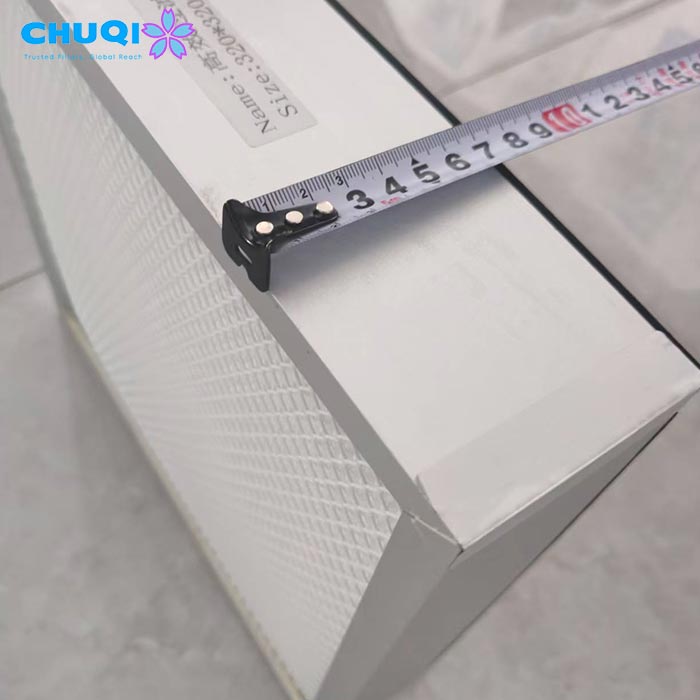
Sizing a HEPA filter for an industrial air system requires more than matching the filter dimensions to an equipment opening. The