
In commercial and industrial HVAC systems, facility managers and procurement directors face a relentless challenge: how to maintain uncompromising indoor air quality (IAQ) and strict ISO 16890 compliance while keeping central Air Handling Unit (AHU) energy bills and operating overhead under tight control. At the core of this operational balancing act lies one of the most critical consumables in mechanical ventilation—the pocket air filter (commonly known as a bag filter).
Whether you are an MEP engineer evaluating initial pressure drops to prevent fan energy spikes, a facility director striving to reduce annual filter replacement labor, or a B2B procurement manager sourcing reliable wholesale media, mastering the technical specifications of pocket filters is essential for facility profitability.
This comprehensive engineering and sourcing guide is designed to help global B2B buyers navigate pocket filter selection, decode efficiency standards, and implement cost-saving strategies across your facility networks.
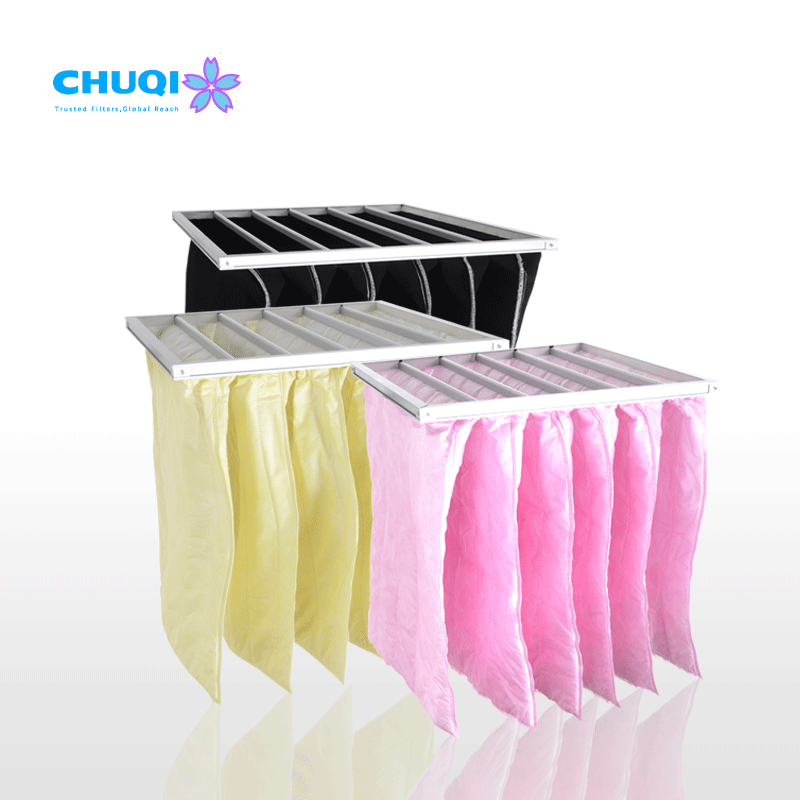
A pocket air filter consists of multiple aerodynamic, pocket-shaped media bags secured inside a rigid perimeter frame (constructed from galvanized steel or extruded aluminum alloy).
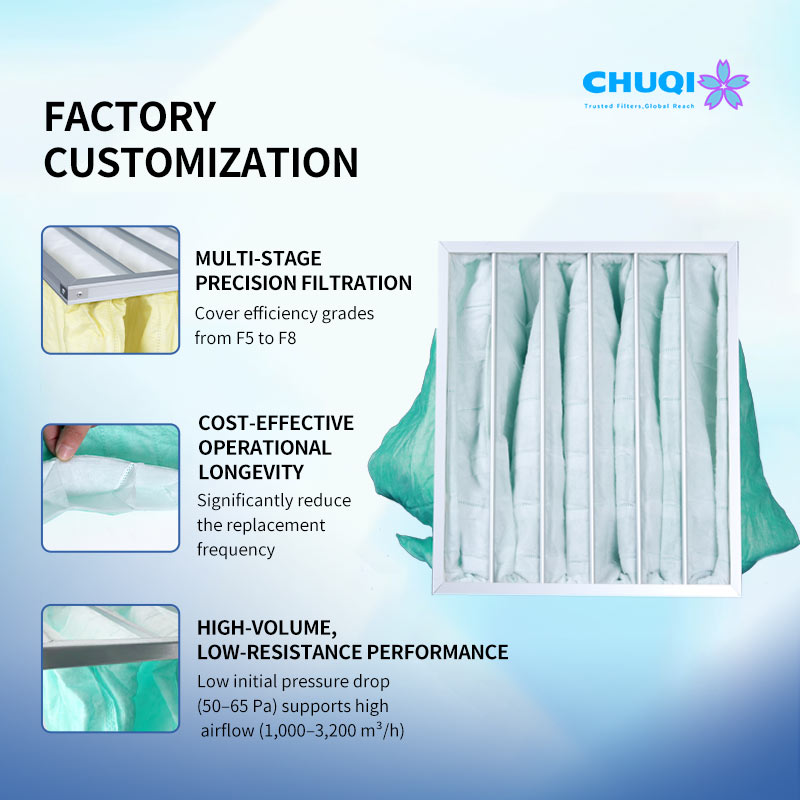
The Multi-Pocket Advantage: Unlike flat panel filters, the extended bag geometry dramatically increases the effective filtration surface area within the same face footprint. This high surface-area-to-volume ratio allows bag filters to handle high airflows (ranging from 1000 to 3200 m3/h depending on face dimensions and pocket counts) while maintaining an exceptionally low initial resistance.
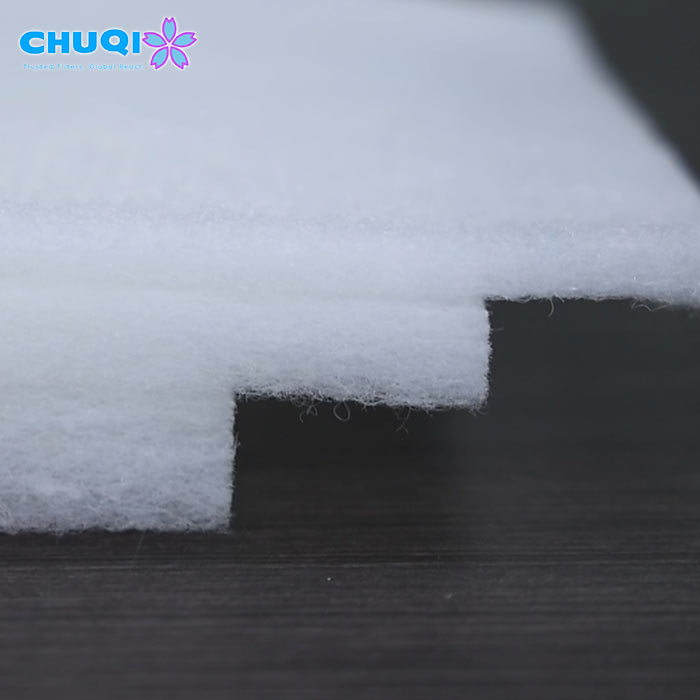
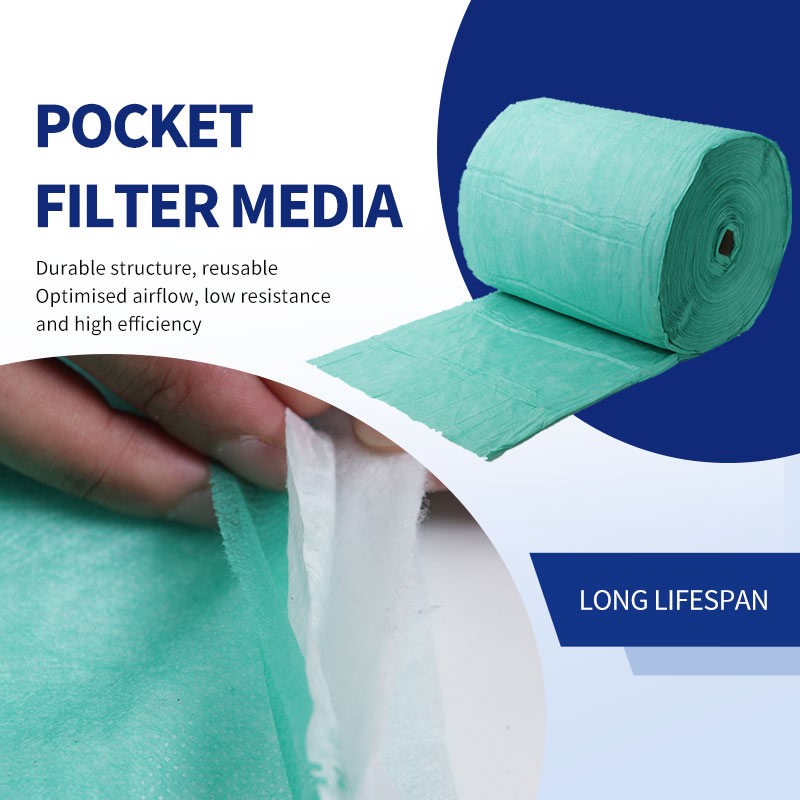
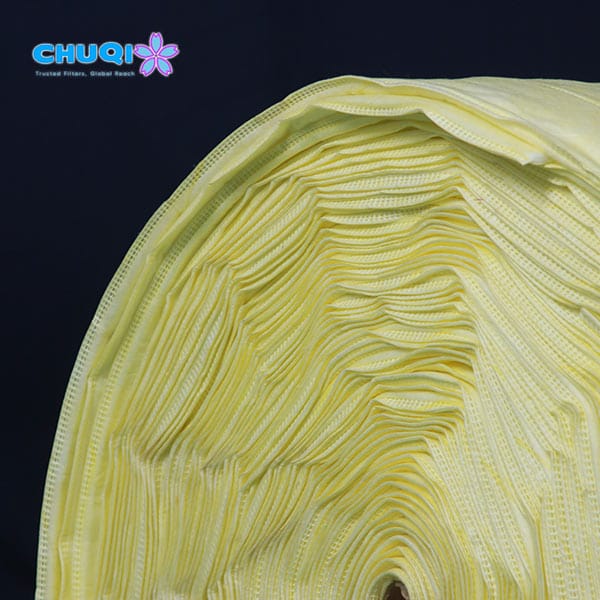
Advanced Media Integration: Premium pocket filters utilize multi-layer composite non-woven fabrics or synthetic melt-blown media, secured with ultrasonic thermal welding to prevent fiber shedding, air leakage, and pressure spikes.
Deep Dive into Design: To explore why multi-bag geometries and frame configurations are the industry standard for commercial AHUs, read our core selection breakdown: Why Choose Pocket Air Filters? An HVAC Engineering & Sourcing Guide.

Navigating Efficiency Standards: ISO 16890 & Legacy F5–F8 Ratings
A common challenge during international bidding or system retrofits is translating traditional classification metrics into modern regulatory standards.
The Shift to ISO 16890: Moving away from the legacy EN 779 single-threshold test, ISO 16890 evaluates pocket filters based on their capture efficacy across vital health-related particulate size fractions: ISO ePM1 (viruses/combustion), ISO ePM2.5 (fine dust), and ISO ePM10 (pollen).
Factory Performance Benchmarks:
F5 / ISO ePM10 (40–50% efficiency): Initial resistance ~50 Pa; ideal for heavy industry pre-filtration.
F6 / ISO ePM10 (60–70% efficiency): Initial resistance ~55 Pa; deployed in commercial offices and schools.
F7 / ISO ePM1 (75–85% efficiency, Pink media): Initial resistance ~60 Pa; the gold standard for airports and premium commercial buildings.
F8 / ISO ePM1 (85–95% efficiency, Yellow media): Initial resistance ~65 Pa; specified for hospital secondary AHU stages and data centers.
Compliance Reference: For a detailed cross-reference chart mapping legacy blueprints to modern ISO ratings, explore our dedicated analysis:
ISO 16890 Pocket Air Filter Efficiency & F5–F8 Guide .
The structural integrity and filtration longevity of a pocket filter depend heavily on its underlying raw materials and thermal bonding techniques.
Composite Non-Woven Fabrics: Offer robust mechanical capture efficiency and stable dust holding capacity (DHC) without relying solely on short-lived electrostatic charges.
Anti-Masking Design: Under high turbulent airflows, inferior filter pockets can balloon and stick together (masking active surface area). Tier-one manufacturers utilize internal airflow separators and ultrasonic sealing to ensure uniform air distribution across every pocket.
Material Comparison: To understand the chemical and mechanical differences between filter media types, read our technical review:
Synthetic vs. Non-Woven Pocket Filters: The Definitive Engineering & Media Selection Guide
Reducing Facility Operating Costs & Managing LCC
Procurement professionals know that the purchase price of an air filter is only a fraction of its true cost. The majority of a filter’s Life Cycle Cost (LCC) is tied to AHU fan energy consumption and labor replacement frequency.
The Danger of High Pressure Drop: Filters with poor aerodynamic design or rapid dust accumulation force AHU fans to work harder, triggering spikes in facility electricity bills.
Extending Replacement Intervals: By deploying high-DHC pocket filters with low initial resistance, facilities can safely extend changeout intervals, slashing both annual energy overhead and maintenance labor costs.
Cost Optimization Strategies: Learn how to calculate and minimize your facility’s operational expenses via our tactical guide:
How to Reduce HVAC Filter Replacement Costs and Lower LCC
B2B Sourcing Guide: Evaluating Factory Partners & Sourcing Reliable Filters
When importing pocket air filters or establishing long-term OEM/ODM partnerships, global procurement managers must look beyond unit pricing. Evaluating a manufacturer’s true production capacity, quality consistency, and custom engineering capabilities is vital to avoiding supply chain bottlenecks.
Dimensional & Pocket Customization: Ensure the supplier can manufacture exact face dimensions (e.g., 495×295mm, 595×595mm) and flexible pocket counts (ranging from 5 to 8 pockets) to precisely match your proprietary Air Handling Unit (AHU) housing units.
Rigid Environmental Tolerance: Verify that filters are engineered for harsh mechanical room conditions—featuring robust frames, EVA sealing gaskets, and certified tolerance for operating temperatures up to 80°C and relative humidity up to 80%.
Logistics & CBM Optimization: Partner with factories offering space-saving, optimized packaging that reduces volumetric weight and international shipping costs.
Want a Deeper Evaluation Framework? To learn what separates a middleman trader from a certified 20-year source factory, read our comprehensive evaluation guide: How to Choose a Reliable Air Filter Supplier: A B2B Sourcing & Factory Audit Guide
Looking for Complete Specifications & Custom Solutions?
Explore our comprehensive line of high-performance air filtration products. Whether you need standard pocket filters or tailored dimensions for your AHU system, we deliver factory-direct reliability.
Verified Performance Data: Precision initial pressure drops (50Pa–65Pa) and high-airflow composite non-woven media.
Custom Dimension & Pocket Configuration: Tailored sizing (e.g., face dimensions, 5 to 8 pocket layouts) matching your exact AHU units.
Factory-Direct Wholesale Pricing & CBM-Optimized Packaging for international distributors and contractors.