What is a Primary Air Filter? Types, Efficiency Grades & B2B Sourcing Guide
In commercial HVAC, cleanroom design, and heavy industrial filtration, the primary efficiency air filter (commonly referred to as a primary air filter or
TEL/WhatsApp:19153383344 Email:chuqifilter@chuqimat.com


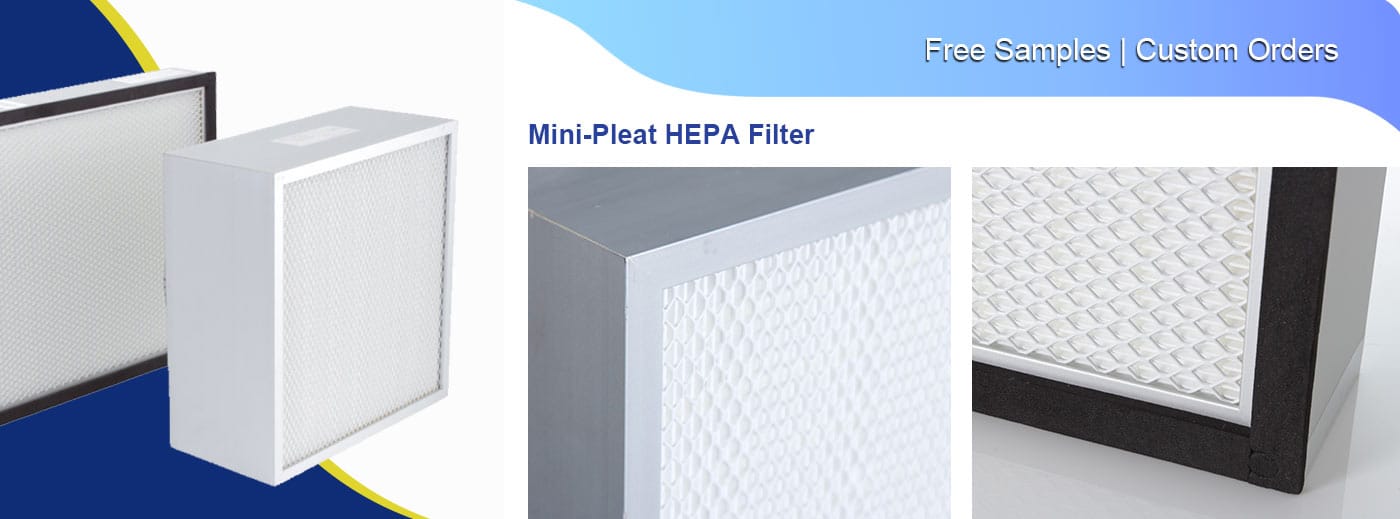
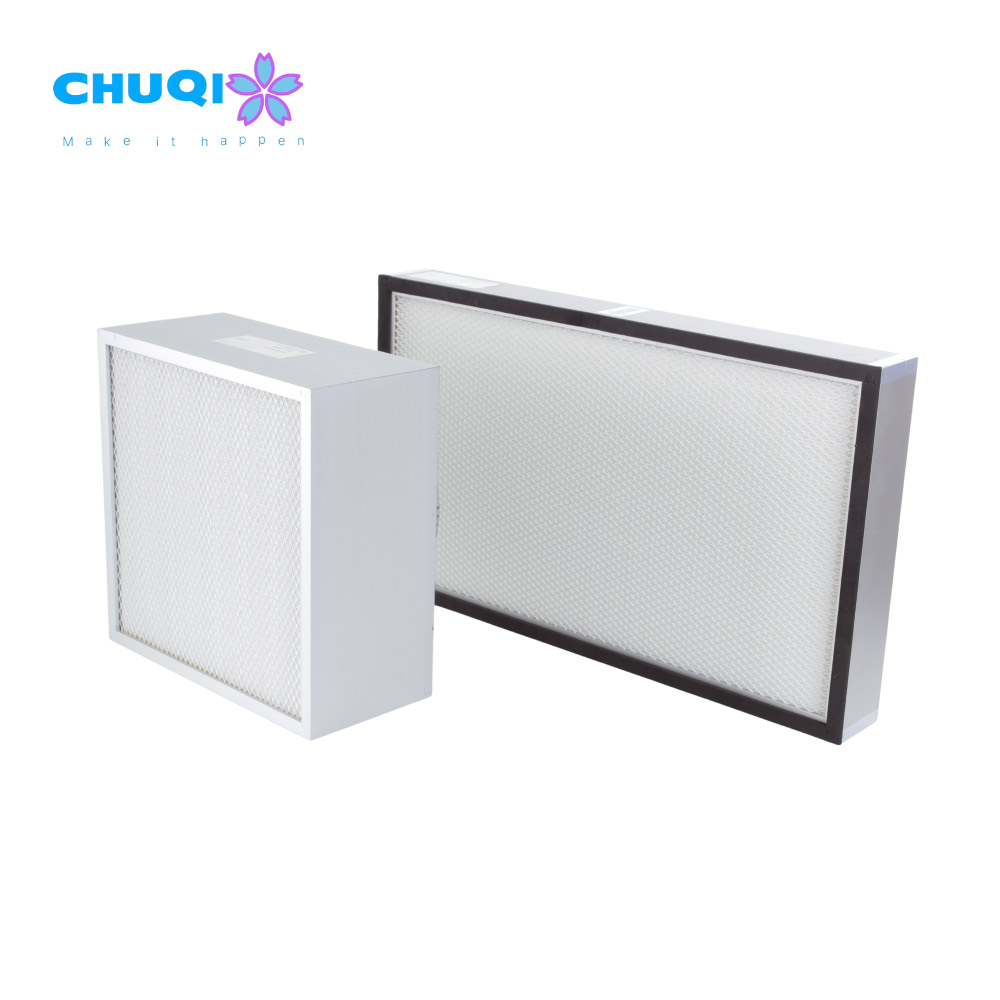
For environments requiring the highest level of cleanliness, our U15 U16 ULPA filter offers unmatched performance. As a specialized mini-pleated HEPA/ULPA filter, it achieves an incredible 99.99995% efficiency @ 0.12um. Designed with an anodized aluminum alloy frame and premium glass fiber media, it is the trusted choice for the world’s most demanding microelectronics and nanotechnology facilities.
Need a Custom Quote or Free Material Samples?
CHUQI delivers high-performance, custom OEM/ODM solutions tailored to your specifications. Contact us today to access factory-direct pricing, custom dimensions/efficiencies, and free sample support!

External Frame: High-precision Aluminum alloy profile available in 50mm, 69mm, or 90mm thickness.
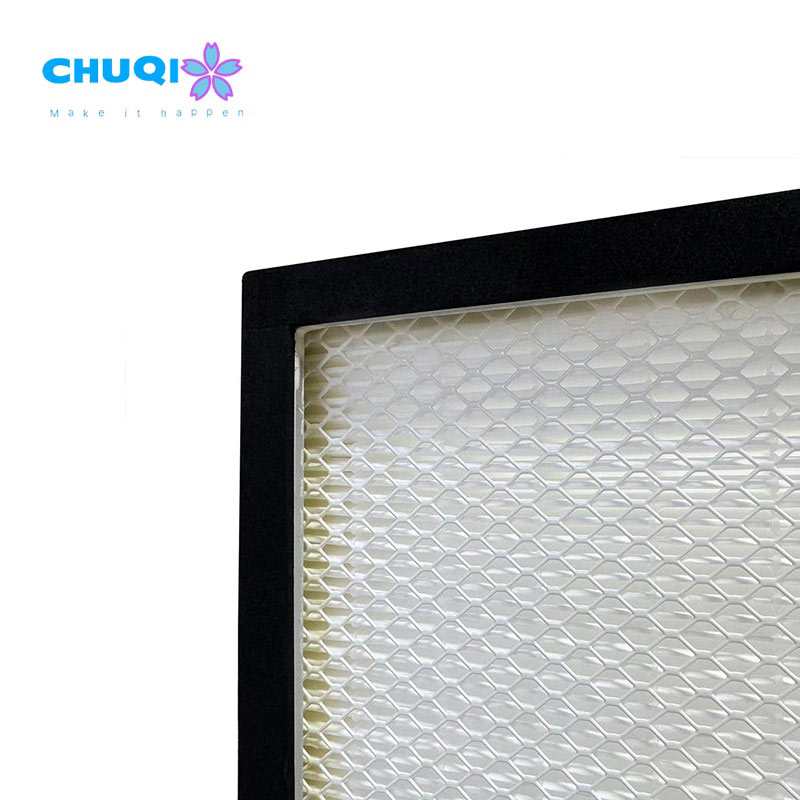
Media Type: Ultra-fine fiberglass filter paper for sub-micron capture.
Separator: Advanced Hot-melt beads that eliminate the risk of aluminum foil shedding.
Sealant: Professional gel-glue (Polyurethane) for a hermetic, leak-proof seal.
Protection: Available with double-sided face guards for media protection during installation.
Semiconductor Fabrication: Critical for Wafer Fabrication and lithography areas where even 0.1um dust is fatal to production yields.
Microelectronics Assembly: Protects LCD/OLED display production lines and high-density micro-chip assembly zones.
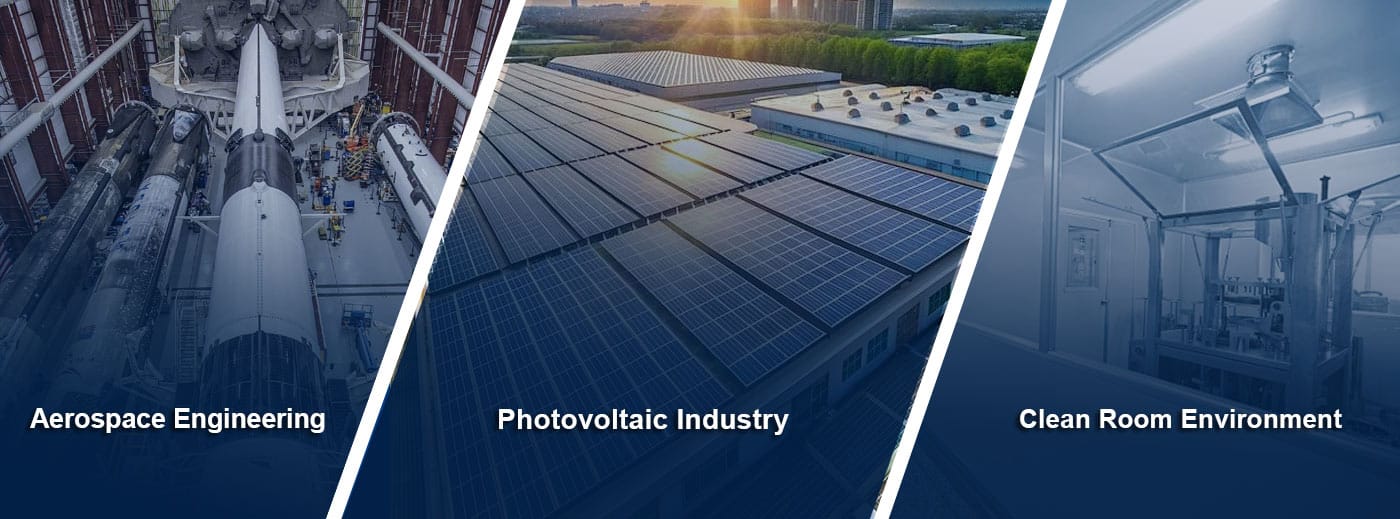
Aerospace Engineering: Specialized filtration for satellite assembly and high-precision optical instrument laboratories.
Photovoltaic (PV) Industry: Maintains dust-free conditions for solar cell manufacturing and advanced coating processes.
Nanotechnology Research: Ideal for Nanotech labs requiring Class 1 or Class 10 cleanroom environments to study molecular structures.
Biotechnology & Gene Therapy: Provides ultra-pure air for sensitive genomic sequencing and sterile biopharmaceutical research.
Nuclear Power Facilities: Used in high-security exhaust systems to capture radioactive sub-micron aerosols.
| Feature | Chuqi MaxFlow-Ultra (ULPA) | Standard Mini-Pleat (HEPA) | The Chuqi Advantage |
| Filtration Efficiency | 99.99995% @ 0.12um. | 99.99% @ 0.3um. | Extreme Yield Protection: Captures 10x smaller particles. |
| Wind Uniformity | Superior Laminar Flow control. | Basic airflow distribution. | Zero Turbulence: Critical for precision lithography. |
| Contamination Risk | Zero Metal Shedding (Hot-melt). | Potential foil shedding (Separator type). | Silicon Safety: Prevents metallic contamination in wafers. |
| Testing Standards | 100% Individual Leak Scan. | Batch sampling or basic testing. | Certified Reliability: Guaranteed performance at the terminal end. |
| External dimensions (mm) | Rated air volume (m³ / h) | initial resistance (Pa) | efficiency (%) | Filter media |
| 610 × 610 × 69 | 600-1000 | ≤ 220 | 95-99.99995 | Fiberglass
|
| 760X610X69 | 800-1200 | ≤220 | 95-99.99995 | |
| 915×610×69 | 1000/1500 | ≤220 | 95-99.99995 | |
| 1170×570×69 | 1100/1800 | ≤220 | 95-99.99995 | |
| 1220×610×69 | 1200/2000 | ≤220 | 95-99.99995 |
Chuqi MaxFlow-Ultra Series represents the pinnacle of our technical expertise in high-precision manufacturing. We specialize in producing mini-pleated HEPA/ULPA filters that meet the rigorous demands of the semiconductor industry. By using anodized aluminum alloy frames and advanced gel-glue sealant, we ensure that every filter provides a permanent, hermetic seal. Our commitment to quality is backed by our 100% individual testing protocol, ensuring that no sub-micron leak ever compromises your wafer fabrication environment.
Q1: What is the primary difference between HEPA and ULPA mini-pleat filters?
While HEPA filters target 0.3um particles, our ULPA mini-pleat filter is engineered for extreme filtration grades (U15/U16), achieving 99.99995% efficiency @ 0.12um to protect the most sensitive microelectronics.
Q2: Why is “Hot-melt” technology critical for semiconductor cleanrooms?
Traditional aluminum separators can shed microscopic metal fragments. Our advanced hot-melt separator eliminates this risk, ensuring zero metal shedding which is vital for LCD/OLED display and wafer production.
Q3: How do you ensure the filter does not leak during terminal air supply?
Each unit is individually tested using precision scanning to guarantee zero leaks. Additionally, we use professional gel-glue (Polyurethane) to create a hermetic seal with the frame.
Q4: Can these filters be used in high-precision optical labs?
Yes, they are highly recommended for optical instrument labs and aerospace engineering where maintaining good uniformity winds and sub-micron air purity is essential for instrument accuracy.
Q5: What are the size options for the external frame?
We offer high-precision aluminum alloy profiles in standard thicknesses of 50mm, 69mm, and 90mm to fit various FFU and ceiling grid configurations

In commercial HVAC, cleanroom design, and heavy industrial filtration, the primary efficiency air filter (commonly referred to as a primary air filter or
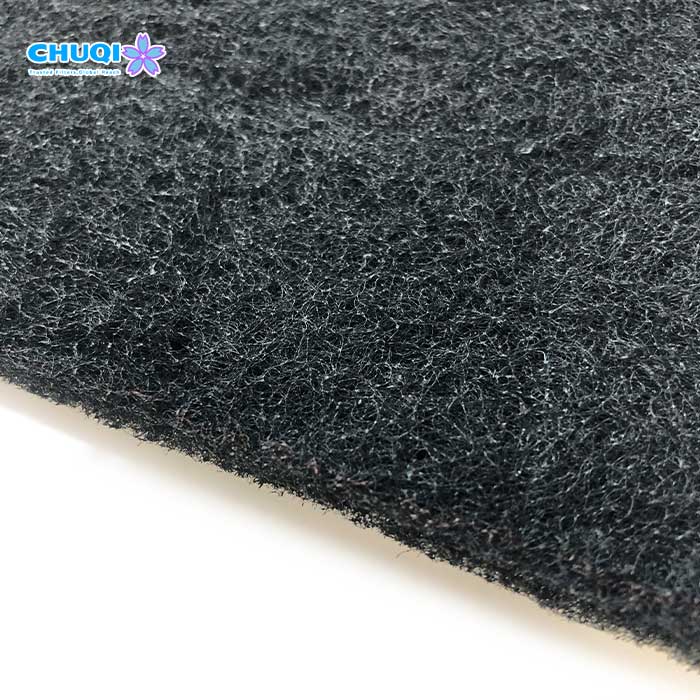
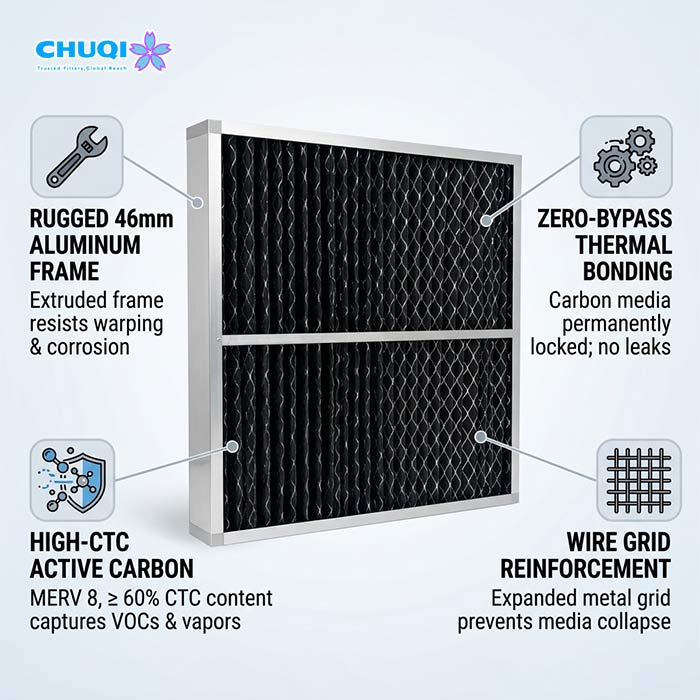
In commercial and industrial HVAC engineering, selecting gas-phase air filtration media often presents a technical dilemma for procurement officers and system designers:

In modern cleanroom engineering, pharmaceutical processing, microelectronics manufacturing, and high-spec HVAC systems, High-Efficiency Particulate Air (HEPA) filters serve as the definitive standard

In high-tech industrial manufacturing, cleanroom environments, and specialized equipment design, air purity is non-negotiable. Original Equipment Manufacturers (OEMs) and facility