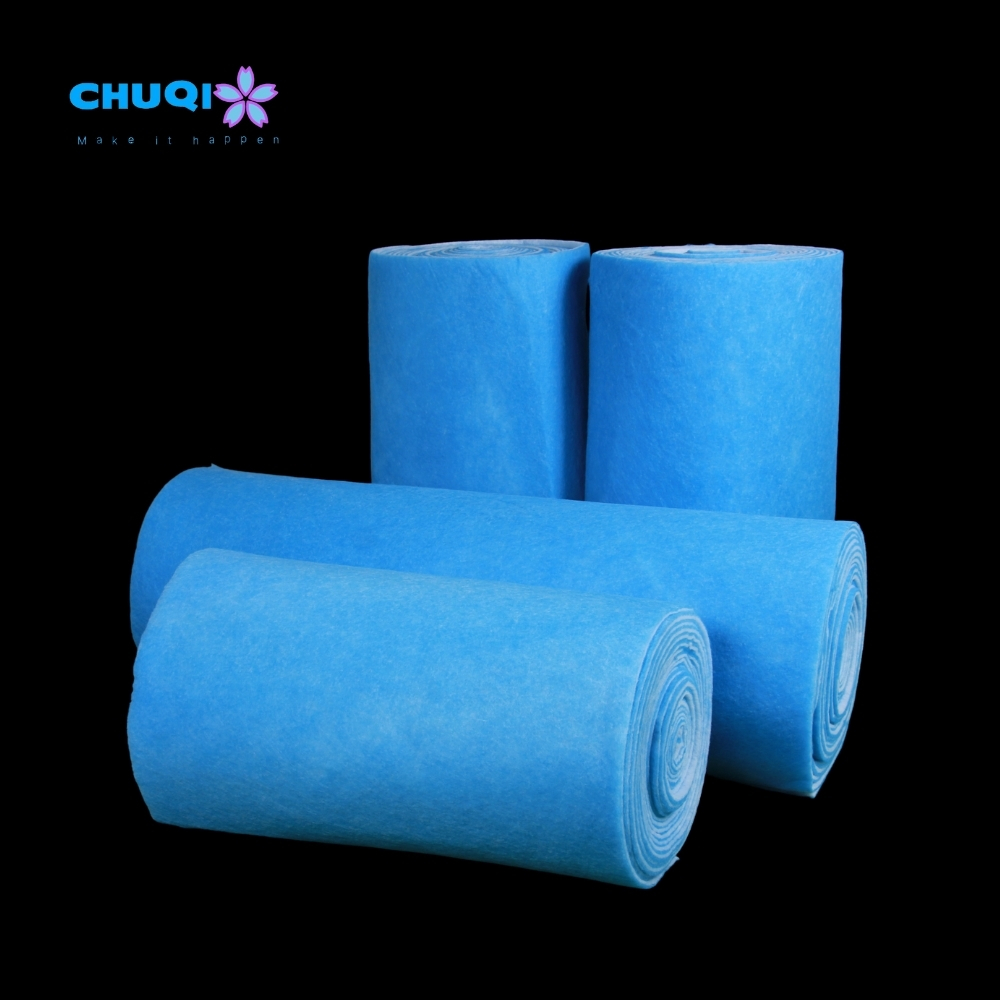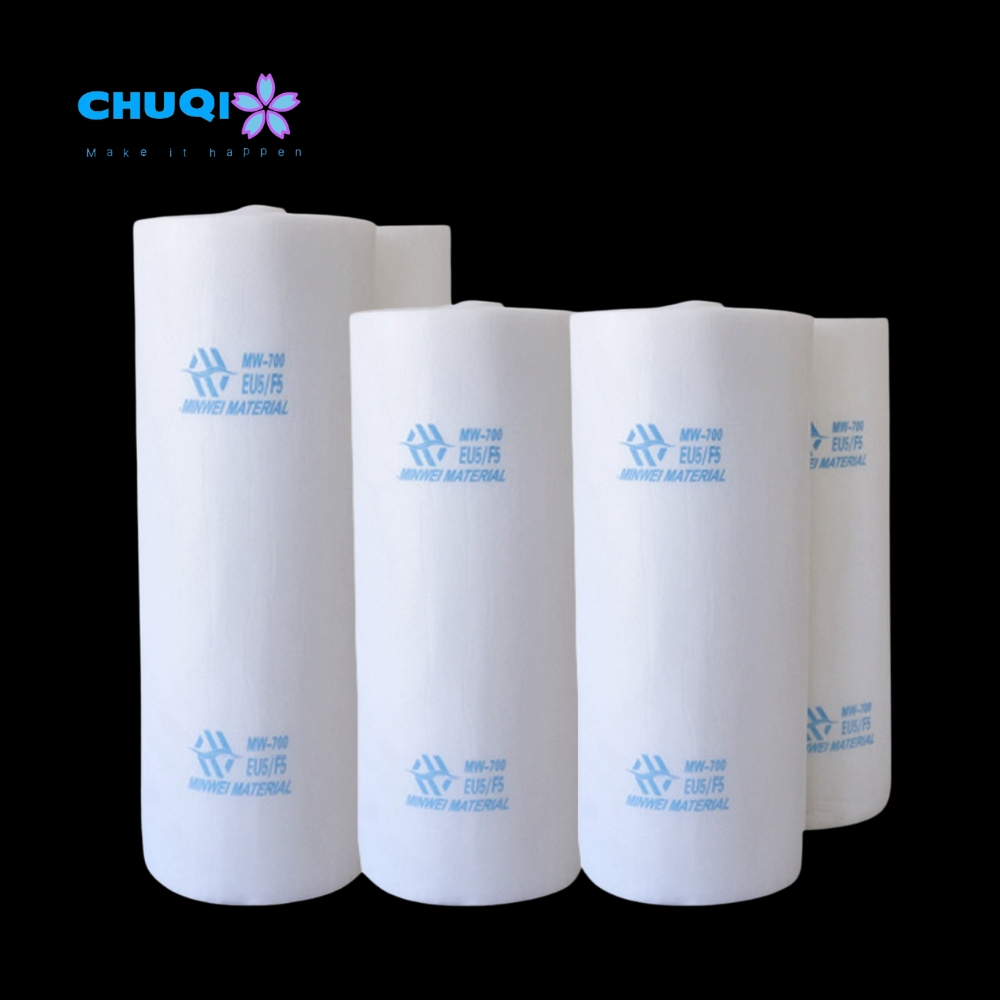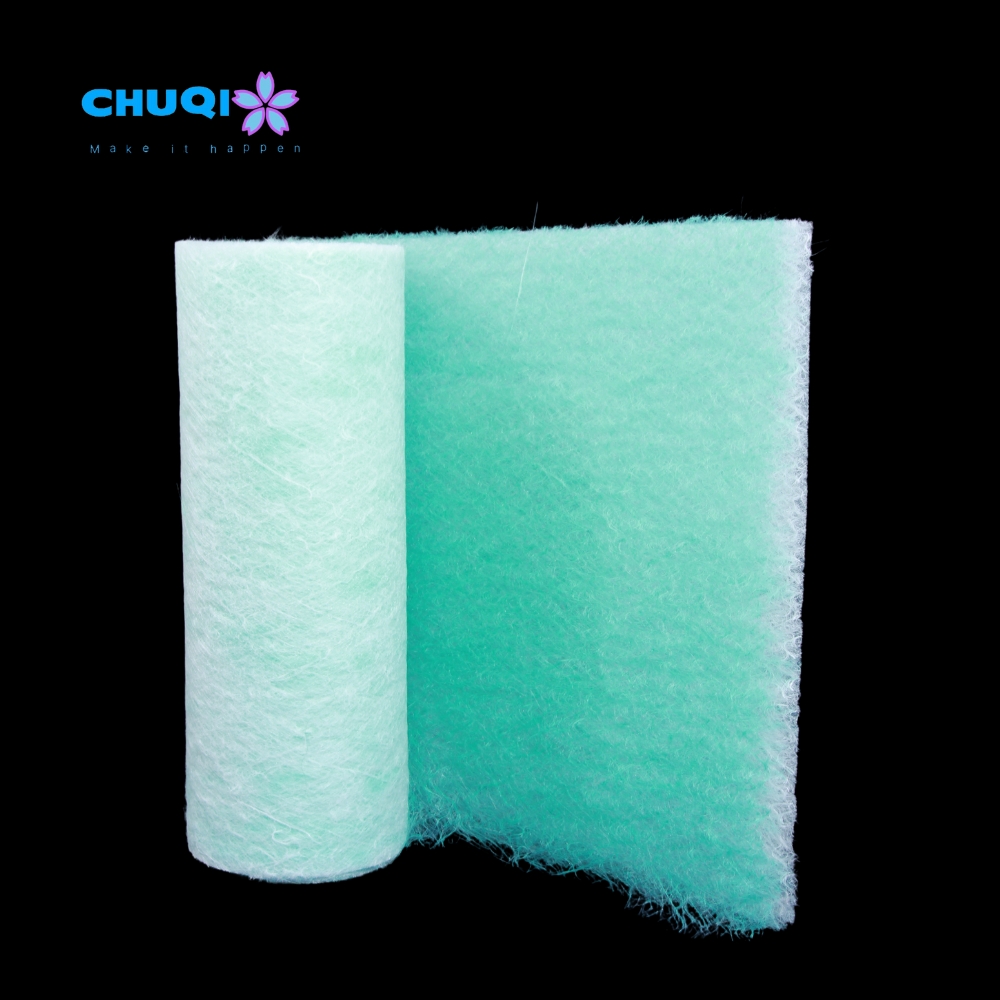
Achieving a flawless, mirror-like finish in automotive refinishing, tier-one automotive manufacturing, aerospace coating, and high-end furniture production relies entirely on one fundamental principle: perfect, laminar downward airflow. At the heart of this environmental control system sits the paint booth ceiling filter—commonly referred to in international trade as a ceiling diffusion blanket, air intake pad, or terminal ceiling filter.
For global B2B procurement managers, industrial distributors, and spray booth engineering contractors, navigating the technical nuances of ceiling filter media is critical. Subpar filtration leads directly to paint reworks, customer complaints, and soaring operational costs.
To help you make informed, high-confidence sourcing decisions, we have broken down the top 6 most critical technical questions and buyer considerations for paint booth ceiling filters into exhaustive, engineering-grade detail.
Installation Orientation: How to Accurately Differentiate the Air Intake Side from the Air Leaving Side
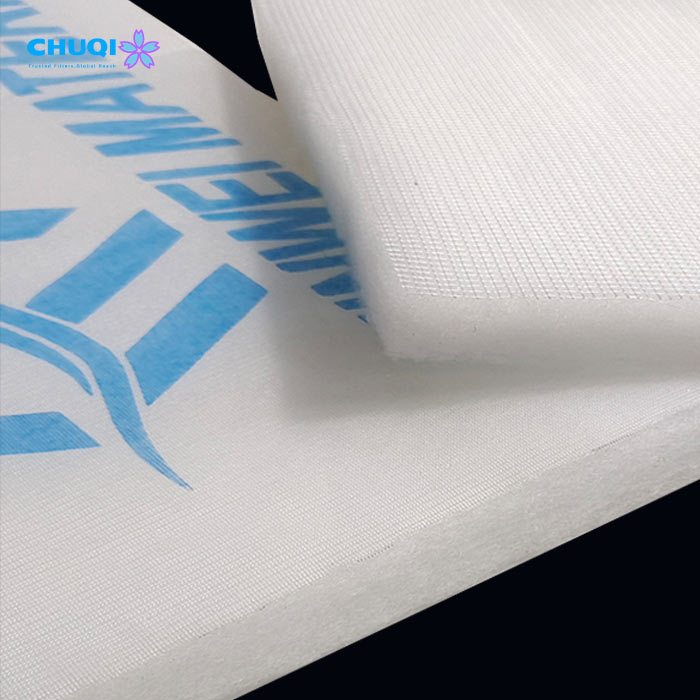
One of the most frequent and costly installation errors on the shop floor is installing a ceiling diffusion blanket upside down. Because high-performance ceiling media is engineered with an asymmetric progressive density structure, orientation dictates performance.
Technical Anatomy of the Media Structure:
The Air Intake Side (Upstream / Entering Air):
Physical Characteristics: This side typically features a looser, more open fiber matrix with a lighter color shade and a smoother or textured appearance.
Functional Role: Designed to capture larger suspended particulate matter (such as coarse ambient dust drawn from the ventilation ductwork) while allowing incoming air to disperse smoothly and evenly across the entire surface area without causing excessive static pressure spikes.
The Air Leaving Side (Downstream / Leaving Air):
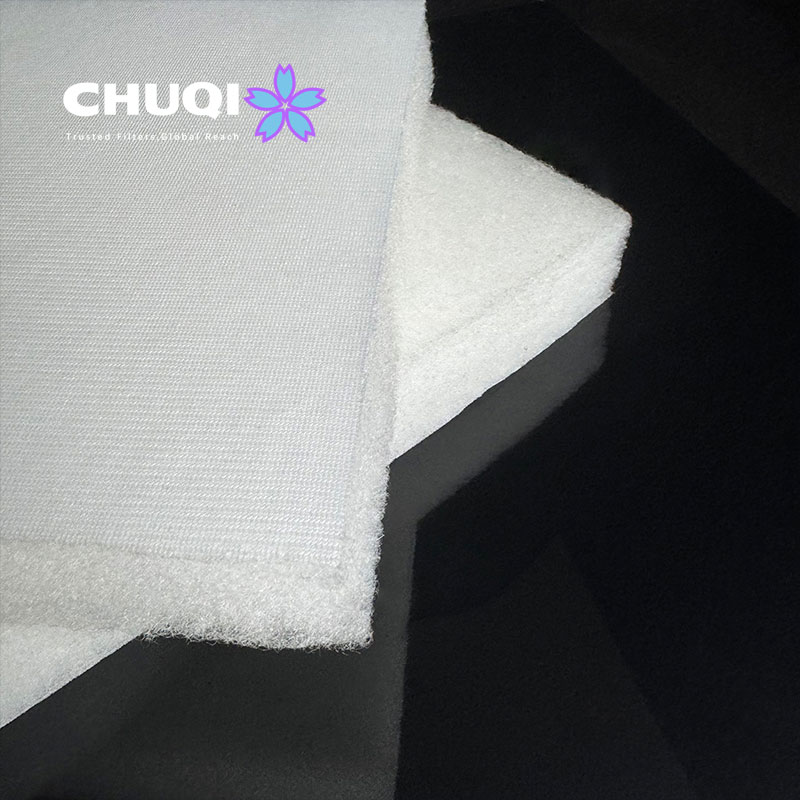
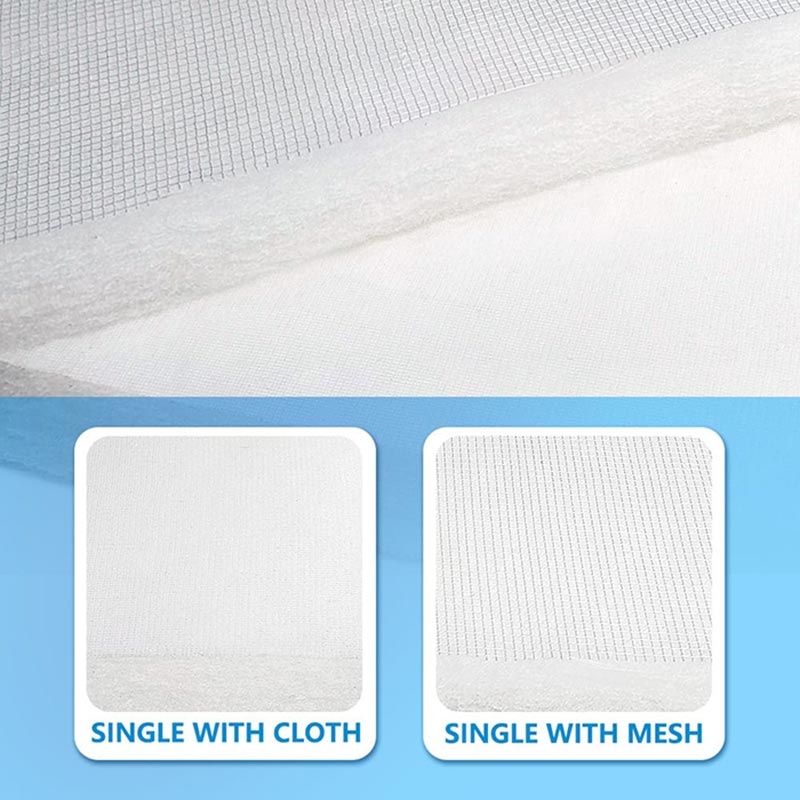
Physical Characteristics: This side is densely compacted, treated uniformly with a high-viscosity tackifier, and almost universally reinforced with a reinforcing scrim, mesh backing, or woven synthetic thread grid.
Functional Role: Acting as the final security barrier, this side ensures that ultra-fine particles are permanently trapped and that no loose fibers break away into the cleanroom zone.
Operational Consequences of Incorrect Installation:
If a technician accidentally installs the filter upside down—placing the tack-free side facing downward toward the workspace—the media will immediately shed synthetic micro-fibers into the airstream. These stray fibers land directly on wet paint layers, resulting in devastating surface defects such as pinholes, cratering, and microscopic dust nibs, which require complete surface sanding and repainting.
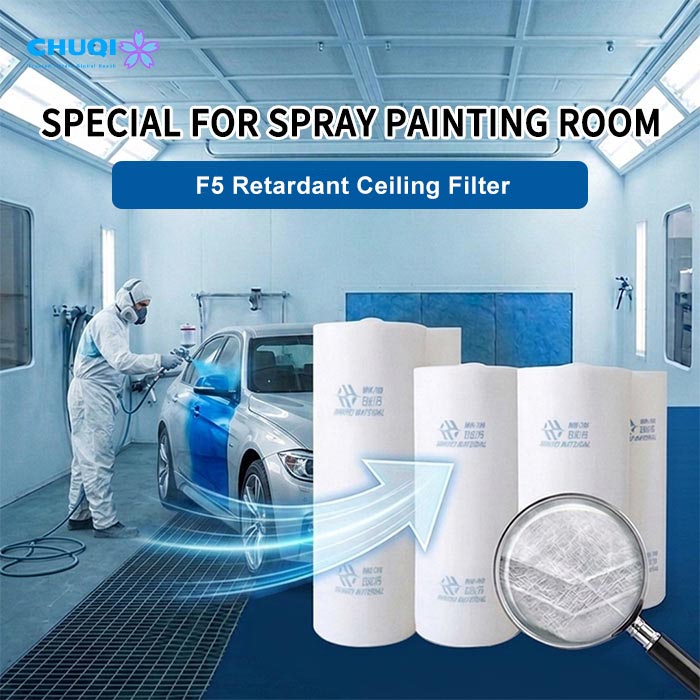
Gram Weight Benchmarks: Evaluating 600G vs. 500G and International Efficiency Standards
In industrial procurement, gram weight (g/m2) serves as an immediate indicator of a filter blanket’s physical mass, structural rigidity, and dust-loading capacity. However, understanding how gram weight translates to real-world performance requires looking deeper into fiber technology.
600g/m² vs. 500g/m² Performance Comparison:
600g/m² Industrial Grade:
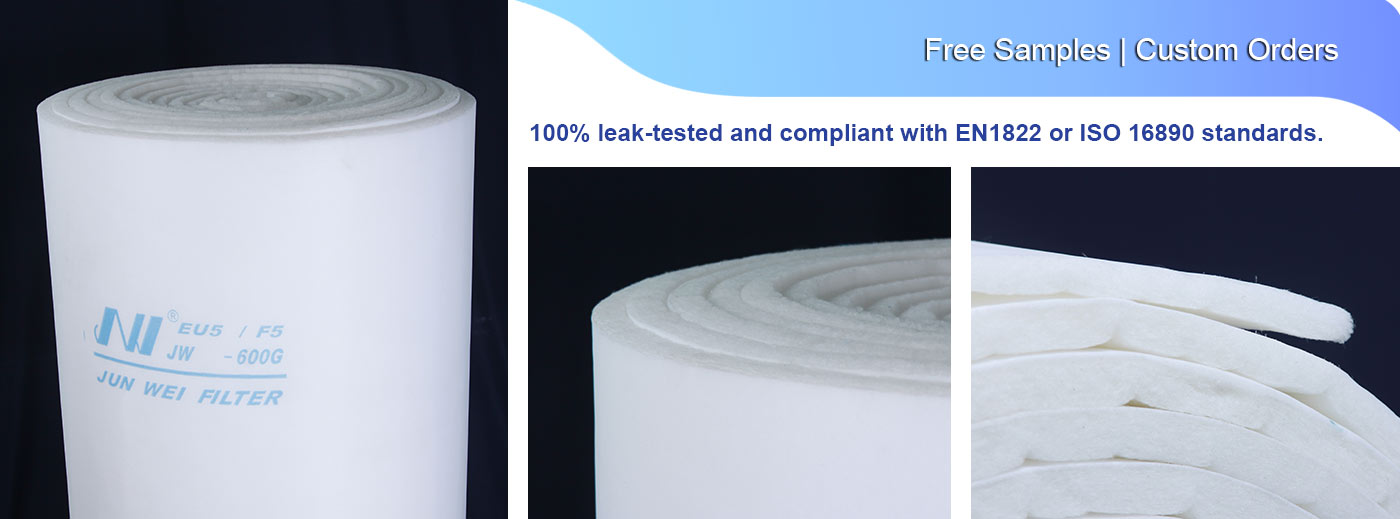
Widely recognized as the international gold standard for premium automotive and industrial spray booths.
Typically engineered to a nominal thickness of 25 to 27mm.
Offers superior structural integrity, preventing fiber collapse or sagging under the continuous static pressure fluctuations of high-velocity industrial blower fans. It provides a deeper tortuous path for sub-micron particulate entrapment.
500g/m² Standard Grade:
Suited for lighter commercial coating applications, furniture finishing lines, or secondary booths where operating air velocities and dust loads are moderate. While cost-effective, it features a lower thickness profile and reduced overall dust retention capacity.
| Specification | 600g/m² (MW-600) | 500g/m² (MW-500G) |
| Weight | 600 g/m² | 500 g/m² |
| Thickness | 25 ± 2 mm | 22 ± 2 mm |
| Initial Efficiency | 99.80% | 95.00% |
| Dust Holding Capacity | 477 g/m² | 400 g/m² |
| Max. Airflow | 910 m³/h | 880 m³/h |
| Initial Resistance | 35 Pa | 28 Pa |
| Final Resistance | 450 Pa | 450 Pa |
| Nominal Air Velocity | 0.26 m/s | 0.28 m/s |
| Filtering Grade | F5 | F5 |
| Max. Working Temperature | 130°C | 130°C |
| Flame Resistance | F-1 DIN53438 / UL900-Class2 | F-1 DIN53438 / UL900-Class2 |
Key Comparison Highlights
Higher Filtration Efficiency: The 600g/m² media achieves an impressive 99.80% initial efficiency compared to 95.00% for the 500g/m² media, providing significantly higher air cleanliness for critical application zones.
Greater Dust Holding Capacity & Longer Lifespan: With a 477 g/m² dust holding capacity (+19.25% compared to 400 g/m²), the 600g/m² filter holds more contaminants, effectively extending service life and reducing replacement frequency.
Airflow & Resistance Trade-off: The 600g/m² specification offers higher airflow capacity (910 m³/h vs. 880 m³/h) at a slightly higher initial resistance (35 Pa vs. 28 Pa).
Efficiency Classifications and Testing Standards:
Professional buyers must look beyond simple weight metrics and verify compliance with recognized international filtration standards:
European Standard (EN779 / ISO 16890): Premium ceiling filters typically fall under the EU5 (F5) classification (or equivalent ISO Coarse / ePM ratings), guaranteeing a high initial arrestance (typically >95%) for particles in the critical 1-to-5-micron range—the precise size threshold capable of spoiling a high-gloss finish.
ASHRAE Standards: In North American markets, equivalent performance metrics demand rigorous arrestance testing against synthetic atmospheric dust.
Lifecycle Management: Calculating Working Hours, Pressure Drops, and Replacement Thresholds
Optimizing maintenance schedules prevents both premature capital expenditure and catastrophic coating failures caused by filter saturation. Facility managers must look beyond calendar-based replacement schedules and focus on aerodynamic performance.
Operating Lifespan Metrics:
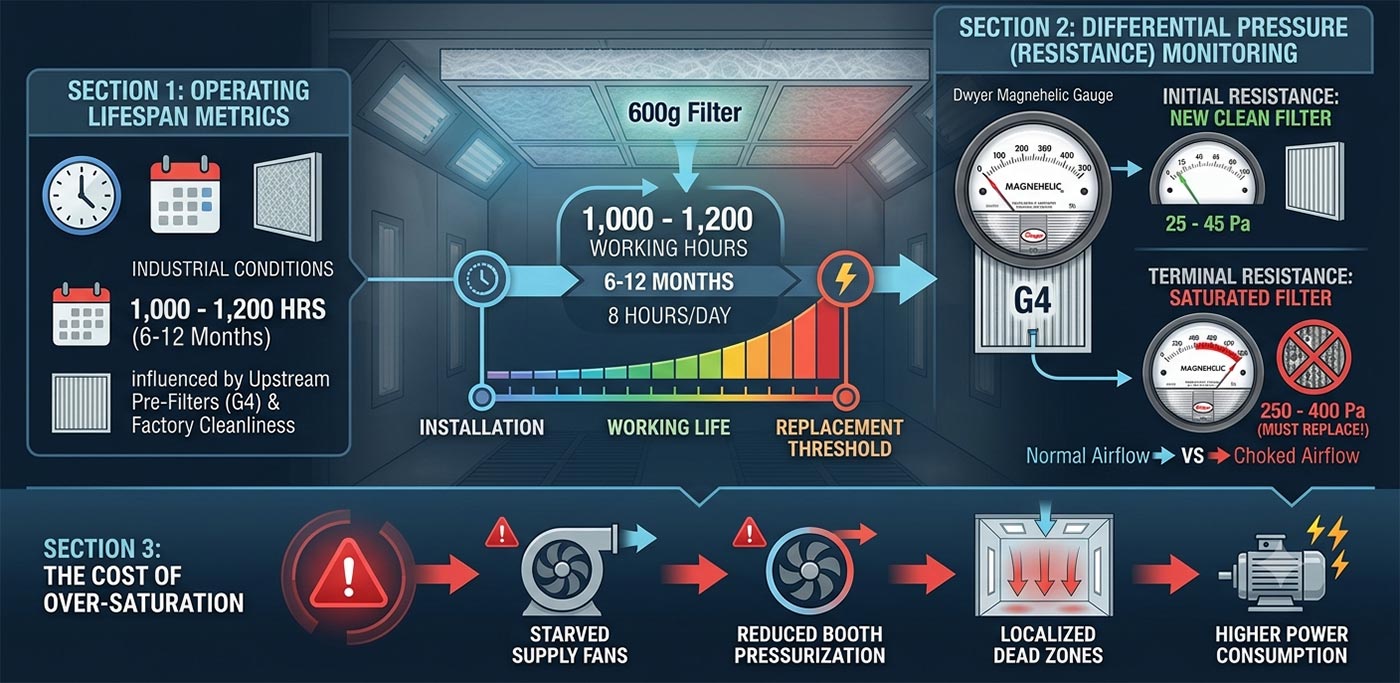
Under normal industrial operating conditions (running approximately 8 hours per day in a controlled environment), a high-grade 600g ceiling filter typically delivers a reliable service life of 1,000 to 1,200 working hours (roughly 6 to 12 months), heavily influenced by ambient factory cleanliness and the efficiency of upstream pre-filters (such as G4 pocket filters).
Differential Pressure (Resistance) Monitoring:
Rather than guessing when to change filters, plant engineers rely on differential pressure gauges (such as Dwyer magnehelic gauges) to measure the static pressure drop across the ceiling plenum:
Initial Resistance: A clean, freshly installed 600g ceiling filter exhibits a low initial clean-air resistance, typically ranging between 25 Pa to 45 Pa at standard face velocity.
Terminal Resistance (Replacement Threshold): As the filter captures dust over time, resistance increases. When the pressure drop reaches the system’s design terminal resistance—typically between 250 Pa and 400 Pa—the filter must be taken out of service.
The Cost of Over-Saturation: Failing to replace saturated filters starves supply fans of necessary airflow, creates localized dead zones in the downward draft, reduces overall booth pressurization, and drives up electrical power consumption as motors work harder to push air through choked media.
Fire Safety and Regulatory Compliance: Decoding Flame Retardancy Standards
Because industrial coating environments involve volatile organic compounds (VOCs), solvent-based paints, and high-temperature baking cycles (often reaching 60°C to 80°C or higher), fire safety compliance is an absolute legal and operational non-negotiable.
Technical Requirements for Flame Retardancy:
Ceiling filter media must not only filter air efficiently; it must also act as a self-extinguishing barrier in the event of an electrical spark, heater malfunction, or localized flash fire.
Key Global Certifications to Verify:
DIN 53438-F1 Classification: Originating in Germany and adopted globally as the benchmark for industrial air filters, the F1 rating certifies that the synthetic fibers are treated with advanced, non-leaching flame-retardant chemicals. When exposed to an open flame, the material will self-extinguish immediately upon removal of the ignition source and will not propagate burning droplets or spread flames.
UL 900 Class 1: Widely required in North American engineering specifications, certifying that the filter media produces negligible smoke and exhibits very low flammability characteristics under fire test conditions.
Procurement Tip: Always demand original lab test reports or compliance certificates from your supplier to ensure local municipal fire marshals and insurance underwriters will approve the installation.
Manufacturing Excellence: Tackifiers, Full-Depth Impregnation, and Dust-Holding Capacity
The core differentiator between budget filter media and professional-grade industrial ceiling blankets lies in the chemical and mechanical engineering of the fiber matrix.
Progressive Full-Depth Impregnation vs. Surface Coating:
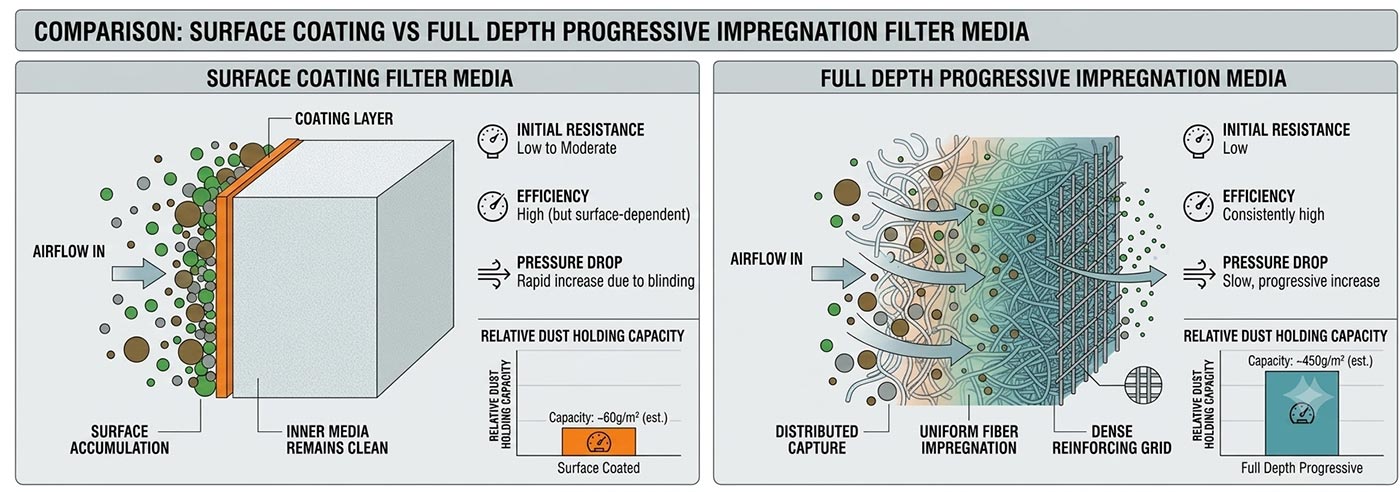
Low-Cost Alternatives: Inferior manufacturers often rely on simple surface-spraying, applying an adhesive layer only to the top fibers. Under continuous air vibration, this superficial coating dries out, cracks, and sheds adhesive or trapped dust into the airstream.
Advanced Full-Depth Progressive Impregnation: Premium ceiling filters utilize a proprietary manufacturing process where a high-viscosity, non-migrating, synthetic tackifier (adhesive compound) is distributed and baked uniformly throughout the entire depth of the fiber matrix.
Dust Holding Capacity (DHC):
The Mechanism: DHC measures the total weight of particulate matter a square meter of filter media can absorb before hitting its terminal pressure drop limit.
The Benefit: By utilizing multi-layer thermal-bonded synthetic fibers with varying denier scales, advanced media creates an expansive internal void volume. Large particles are trapped in upper layers, while microscopic particles are locked deep inside the tackified matrix. This deep-loading architecture maximizes the filter’s working lifespan and maintains stable, uniform airflow dynamics over months of operation.
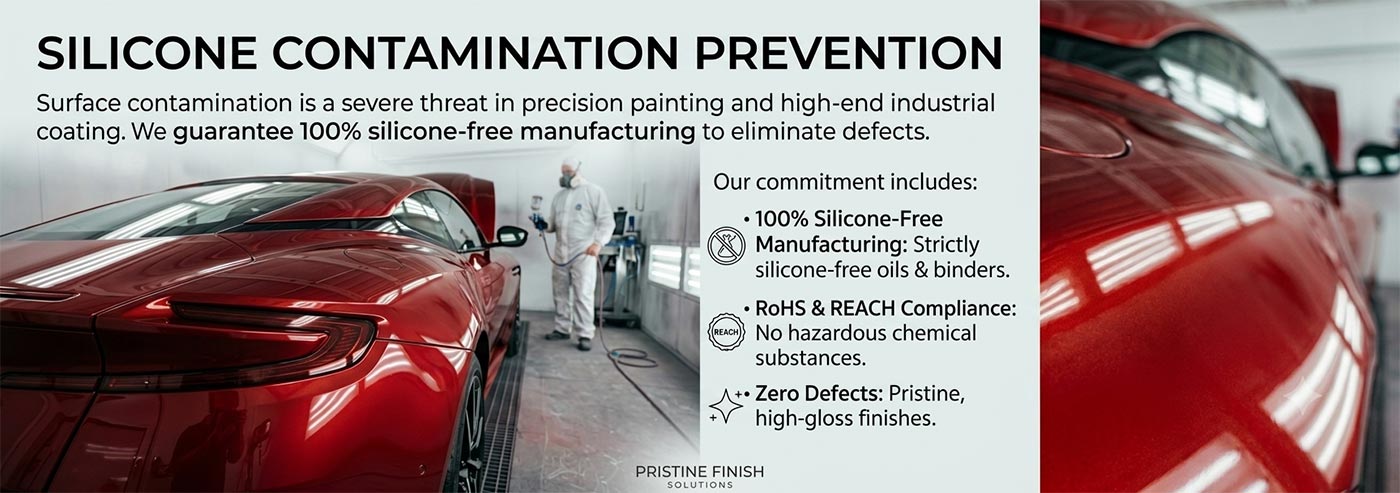
Zero-Tolerance Contamination: 100% Silicone-Free Manufacturing and Chemical Compliance
In precision automotive manufacturing and high-end industrial coating lines, surface contamination is an existential threat to product quality.
The Silicone Hazard (“Fish Eyes” and Cratering):
The Mechanism: Silicone is a notoriously stable, low-surface-energy compound. If trace amounts of silicone migrate from manufacturing machine lubricants, cutting oils, or poor-quality binder resins into the filter media, they will vaporize during bake cycles or transfer via airflow onto wet paint films.
The Result: Even parts-per-million traces of silicone cause paint to pull away from microscopic spots, creating circular craters, pinholes, and “fish eyes” on the finished surface. These defects cannot be touched up; they mandate the complete chemical stripping, sanding, and repainting of the workpiece—costing thousands of dollars in labor and material waste.
Chemical Safety Compliance Frameworks:
To protect downstream customers, reliable source manufacturers guarantee:
100% Silicone-Free Guarantee: Certified production lines utilizing strictly food-grade or silicone-free processing oils and binders.
RoHS & REACH Compliance: Full transparency regarding chemical substances, ensuring no restricted heavy metals or hazardous plasticizers are present in the synthetic fibers.
Superior Product Materials & Craftsmanship
Our paint booth ceiling filters are meticulously crafted to meet and exceed these rigorous industrial demands:
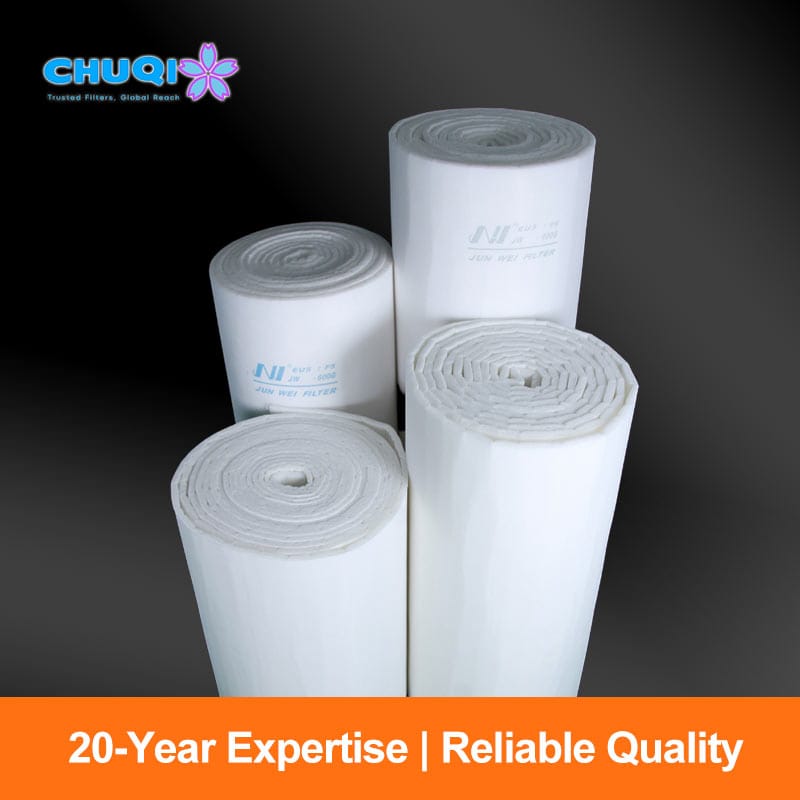
Materials & Construction: Engineered from high-performance, flame-retardant synthetic fibers using multi-layer progressive density technology. The air outlet side is reinforced with a durable, fire-retardant scrim mesh grid. High flame resistance, high dust-holding capacity, and low initial resistance ensure exceptional safety and reliability. Full-depth adhesive impregnation prevents particulate bypass, while allowing fully filtered air to distribute uniformly in a smooth, laminar flow.
Key Features:
Excellent uniformity, smooth surface, high elasticity, superior filtration efficiency, and maximum dust-holding capacity.
Moisture resistant up to 100% relative humidity; built with permanent flame-retardant properties.
Low smoke generation without melting droplets; features immediate self-extinguishing behavior upon flame contact.
Excellent structural stability; easy to cut, tailor, and weld via high-frequency or ultrasonic processes. Ideal for direct ceiling frame installation or pocket filter fabrication.
Why Source From Us? (Chuqi New Materials Factory Advantages)
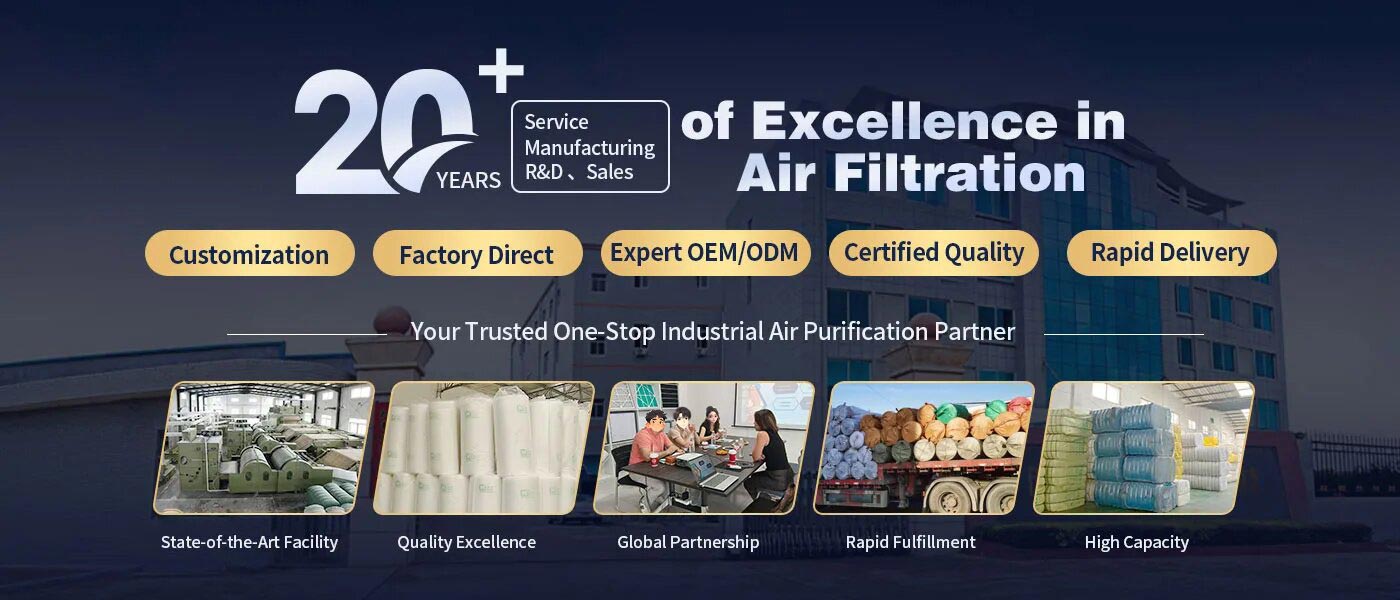
As a direct source manufacturer specializing in industrial air filtration media and equipment, we engineer and supply paint booth ceiling filters, V-Bank HEPA filters, and fan filter units (FFUs) designed to meet stringent international quality, efficiency, and safety standards.
Source Factory Advantage: Unlike traders who rely on external suppliers, we manufacture our own raw filter media, ensuring absolute quality control, steady lead times, and competitive factory-direct pricing.
Our Manufacturing Advantages: High-tensile breaking-strength synthetic fibers, precision-calibrated 600g/m² options, full-depth progressive tackification, strict DIN 53438-F1 flame retardancy, and verified 100% silicone-free production lines.
Request Free Samples & Get a Bulk Quotation Today
Are you ready to elevate your spray booth performance and eliminate surface defects in your coating operations? We invite global partners, distributors, and engineering contractors to test our product quality firsthand.
Complimentary Sample Testing: We provide free product samples so your technical team can evaluate our filter media performance and physical properties directly.
Get in Touch: Contact our technical and sales engineering team today to request your free samples, customized sizing specifications, comprehensive product data sheets, or competitive bulk quotations for your upcoming global tenders and projects.