
Finding an air filter media manufacturer is not difficult. Finding one that can consistently support your distribution business is a more important decision.
For distributors, the choice of manufacturing partner affects more than the price of individual orders. It influences the products you can offer, the customers you can serve, and the confidence your customers have in the materials you supply.
A manufacturer may have an extensive catalog, competitive prices, and attractive product descriptions. However, these factors alone do not show how well the company understands its materials, manages production, or handles different manufacturing requirements.
A reliable air filter media manufacturer should combine genuine production capabilities, relevant product experience, consistent quality management, and the flexibility to support different filtration markets.
Here are the key factors that help distinguish a capable manufacturing partner from a supplier that simply offers filtration products.
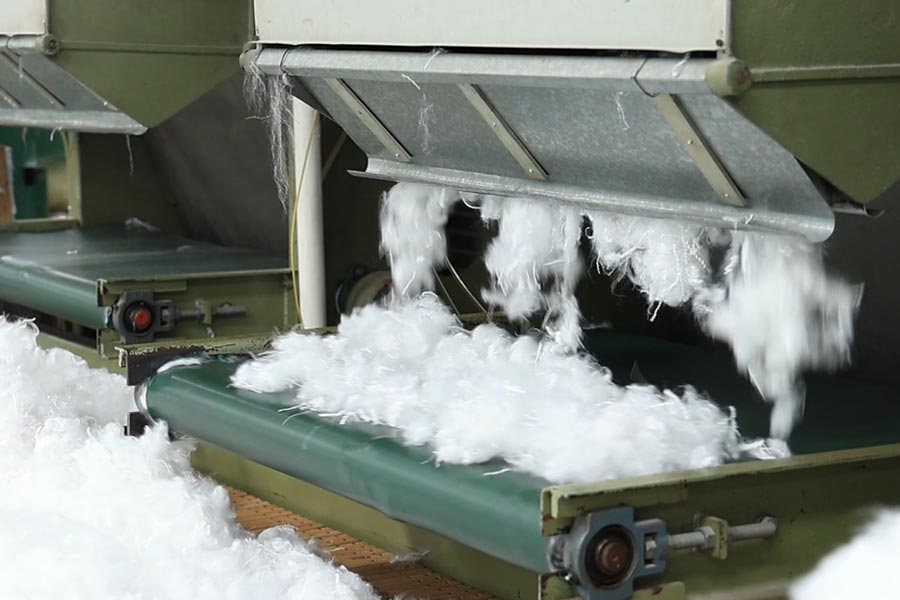

Start with Manufacturing Capability, Not Just the Product Catalog
One of the first things worth understanding is whether a supplier actually manufactures the filter media it sells.
In the air filtration industry, companies may operate in different ways. Some manufacture materials in their own facilities, while others purchase finished media from external factories and focus on distribution or trading.
Both business models can serve useful purposes. However, they offer different levels of involvement in production.
A manufacturer with in-house production has direct involvement in processes such as material preparation, fiber formation, bonding, processing, and finishing, depending on the product category.
This production knowledge matters because air filter media performance is influenced by more than its material name. Fiber structure, density distribution, thickness, bonding, and air permeability can all affect the finished material.
For example, two fiberglass filter media products may have the same nominal thickness but behave differently during operation because their fiber structures and density distributions are not identical.
A company that understands how its materials are produced is better positioned to explain these differences and discuss their practical effects.
Why In-House Manufacturing Matters to Distributors
Direct manufacturing involvement can bring several practical advantages:
Greater production visibility: The manufacturer has a closer understanding of how materials are produced and processed.
More direct quality management: Production-related variations can be investigated closer to their source.
Better production flexibility: Selected material characteristics and roll formats may be adjusted according to actual manufacturing capabilities.
More product knowledge: The manufacturer can discuss material properties from a production perspective rather than relying only on general product descriptions.
The important distinction is not simply whether a company owns factory buildings. It is how closely it controls the processes behind the products it supplies.
You can learn more about Chuqi’s manufacturing capabilities and its production background.
Understanding whether a company manufactures its own filter media is also an important part of evaluating its business model. If you are comparing different sourcing options, our guide to air filter media manufacturers vs. trading companies explains the differences in manufacturing involvement, product control, and supply capabilities.
Choose a Manufacturer with Products That Match Your Market
A broad product range can make sourcing easier, but only when the products are relevant to the customers you serve.
Different distribution markets have different filtration needs. A distributor supplying HVAC customers may focus on pre-filtration and medium-efficiency materials, while a distributor serving automotive refinishing businesses may need materials for spray booth supply-air and exhaust-air filtration.
Filter manufacturers also have different requirements. Their material selection is often influenced by the finished filter design, converting equipment, and the performance characteristics expected from the final product.
Common Air Filter Media Categories
A manufacturer with experience across several material categories can give distributors more flexibility when developing their product portfolios.
| Filter Media Category | Typical Applications |
|---|---|
| Fiberglass Filter Media | Spray booth exhaust filtration and other industrial filtration applications |
| Spray Booth Ceiling Filter Media | Spray booth supply-air filtration |
| Air Intake Filter Media | Ventilation and industrial air intake systems |
| Pocket Filter Media | Bag and pocket filter manufacturing |
| Activated Carbon Filter Media | Odor and certain gas-phase filtration applications |
| Air Filter Paper | Air filter element manufacturing |
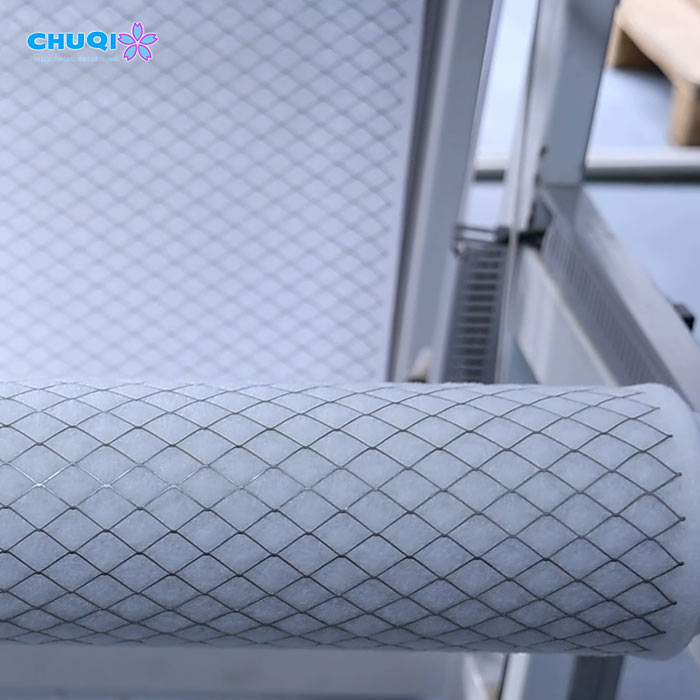
| Wire-Backed Filter Media | Applications requiring additional material support |
For example, distributors serving automotive refinishing customers may have demand for spray booth ceiling filter media and fiberglass filter media.
Those serving ventilation and industrial air intake markets may be more interested in air intake filter media.
The value of a broad portfolio is that it can help distributors serve different customer groups through a more consolidated sourcing network. However, product relevance and actual manufacturing experience matter more than the number of categories displayed on a website.
Explore the complete air filter media product range to see the different material categories available.


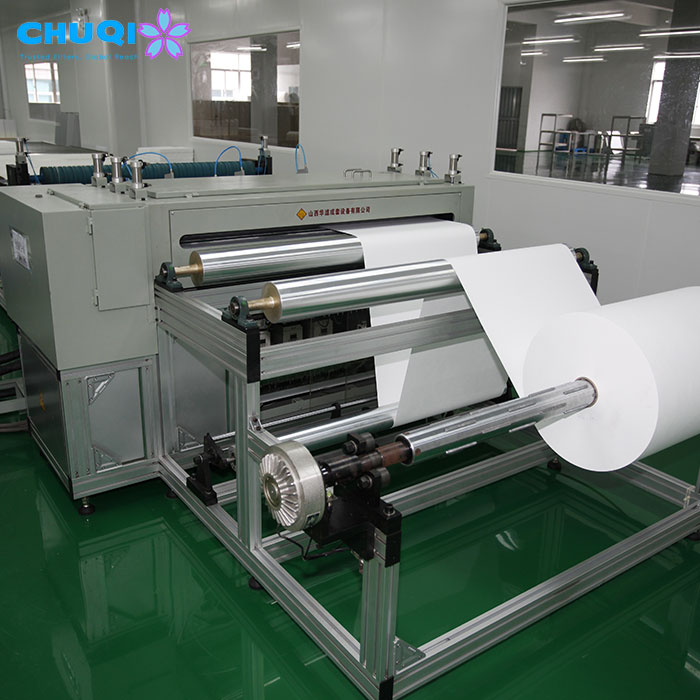
Product Quality Depends on More Than a Final Inspection
Standard products are suitable for many applications, but distributors often serve customers with different equipment, production layouts, and material preferences.
A filter manufacturer may use a converting line designed around a particular roll width. An industrial customer may need a specific thickness or material structure for its filtration system. Another buyer may require different packaging formats for warehouse storage or resale.
These differences make manufacturing flexibility an important consideration.
Flexibility Is More Than Offering Different Sizes
Depending on the material category and production process, manufacturing options may include:
Roll width and roll length.
Thickness and basis weight.
Fiber structure and material construction.
Supporting or backing materials.
Slitting and selected converting formats.
Packaging and product labeling.
The practical value of these options becomes clearer when considering downstream production.
For example, a filter manufacturer using a particular cutting layout may generate unnecessary trimming waste when the supplied roll width does not fit its production arrangement. A more suitable roll format can improve material utilization and make processing more efficient.
Similarly, a distributor serving several customer groups may need different material specifications within the same product category.
A capable manufacturer should understand how production adjustments affect the material itself. Changing thickness, density, or fiber construction may also influence air permeability, airflow resistance, and mechanical properties.
This production understanding helps turn different customer applications into practical manufacturing solutions.
Manufacturing Flexibility Helps Meet Different Customer Requirements
Standard products are suitable for many applications, but distributors often serve customers with different equipment, production layouts, and material preferences.
A filter manufacturer may use a converting line designed around a particular roll width. An industrial customer may need a specific thickness or material structure for its filtration system. Another buyer may require different packaging formats for warehouse storage or resale.
These differences make manufacturing flexibility an important consideration.
Flexibility Is More Than Offering Different Sizes
Depending on the material category and production process, manufacturing options may include:
Roll width and roll length.
Thickness and basis weight.
Fiber structure and material construction.
Supporting or backing materials.
Slitting and selected converting formats.
Packaging and product labeling.
The practical value of these options becomes clearer when considering downstream production.
For example, a filter manufacturer using a particular cutting layout may generate unnecessary trimming waste when the supplied roll width does not fit its production arrangement. A more suitable roll format can improve material utilization and make processing more efficient.
Similarly, a distributor serving several customer groups may need different material specifications within the same product category.
A capable manufacturer should understand how production adjustments affect the material itself. Changing thickness, density, or fiber construction may also influence air permeability, airflow resistance, and mechanical properties.
This production understanding helps turn different customer applications into practical manufacturing solutions.
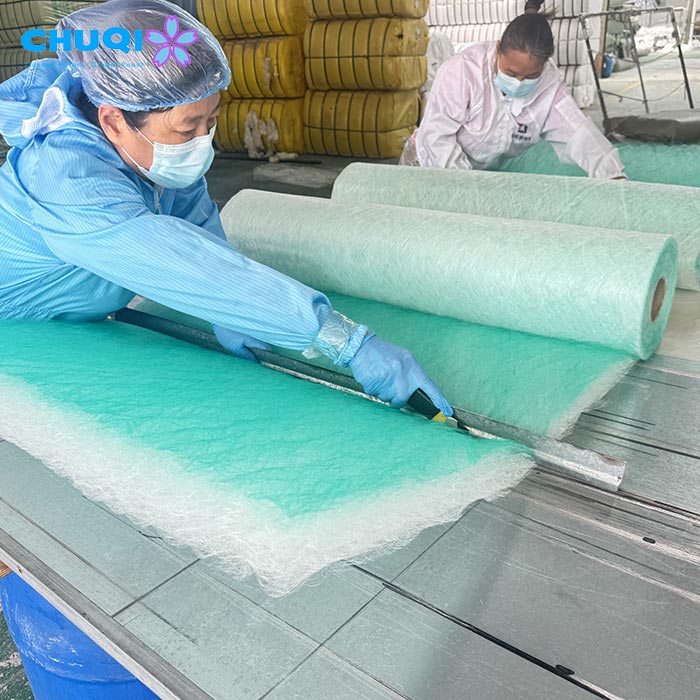
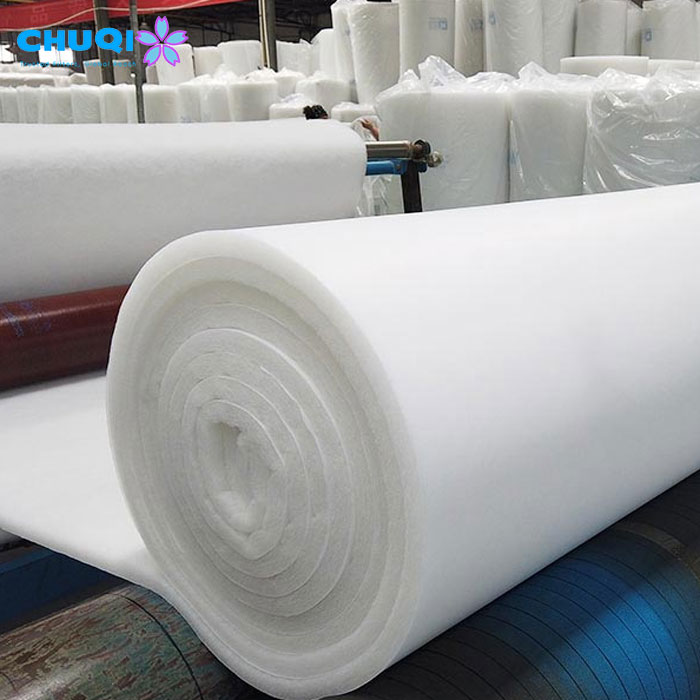

Production Capacity Should Match the Products You Need
A manufacturer’s total production capacity can look impressive, but capacity figures alone do not explain whether it can support the specific products your business requires.
Different air filter media categories may involve different production lines, equipment, processing methods, and raw materials.
A factory with extensive experience in one type of media may not necessarily have the same production capability across every other category.
For distributors, relevant manufacturing experience is therefore just as important as overall factory scale.
Look Beyond General Capacity Figures
Production capability is more meaningful when it relates to the actual products being supplied.
For example, a manufacturer producing several types of filter media needs to manage different material characteristics and production processes. The ability to coordinate these processes can influence how efficiently it handles multiple product categories and different order requirements.
Raw material availability also matters. Changes in fiber or other input materials may affect the properties of the finished media. Production planning and material management therefore contribute to supply continuity.
For overseas distributors, packaging and shipment preparation are additional parts of the supply process. Filter media can occupy considerable shipping space, and suitable roll packaging helps protect the material during transportation and storage.
A manufacturer with relevant export experience is better placed to understand these practical requirements.
For distributors looking to understand the practical advantages of factory-direct sourcing, our guide on how to buy air filter media directly from a factory explores the purchasing process and what direct cooperation with a manufacturer can offer.
Product Knowledge Makes Supplier Communication More Useful
A reliable manufacturer should understand not only how to produce filter media, but also how its materials are used in finished filtration products.
This distinction is important when distributors serve filter manufacturers or customers with specific technical applications.
Consider a customer reporting that a particular filter media creates higher airflow resistance than expected.
The issue may relate to the material’s density, fiber structure, thickness, or air permeability. It may also involve the effective filtration area, airflow conditions, or the construction of the finished filter.
A supplier with relevant product knowledge can help explore these factors instead of treating every performance issue as a simple material replacement request.
This does not mean every problem originates in the media itself. Useful technical communication involves understanding the application and considering the different factors that influence the final result.
For distributors, this kind of product knowledge can make it easier to respond to customer questions and identify suitable material options.
What Makes an Air Filter Media Manufacturer a Good Choice?
Choosing a manufacturing partner is ultimately about how well its capabilities match the needs of your distribution business.
A useful way to understand the decision is to look at the relationship between manufacturing capability and its practical value.
| What Matters | Why It Matters to Distributors |
|---|---|
| In-house manufacturing | Provides closer involvement in production and material processing |
| Relevant product experience | Helps support the filtration markets you serve |
| Quality management | Supports more predictable material characteristics |
| Manufacturing flexibility | Helps address different roll formats and material requirements |
| Product knowledge | Makes technical communication more useful |
| Relevant production capacity | Provides a stronger basis for supplying the required product categories |
| Export and packaging experience | Helps manage overseas material shipments |
No single factor determines whether a manufacturer is the right choice. The overall combination of production knowledge, product suitability, quality management, and supply capability is what makes the difference.
Choosing a suitable manufacturer is only the beginning of a successful sourcing relationship. Once cooperation begins, product consistency, supply coordination, manufacturing flexibility, and technical communication become increasingly important. Read our guide on building a long-term partnership with an air filter media supplier to explore what supports a productive relationship over time.
Find a Manufacturing Partner That Fits Your Distribution Business
For air filter media distributors, choosing a manufacturer is about more than finding a company that can supply rolls at a competitive price. It is about finding production capabilities and product experience that match the markets you serve.
At Chuqi New Materials, all our air filter media products are manufactured in our own factory. Our product range covers fiberglass, synthetic, nonwoven, spray booth ceiling, air intake, pocket, activated carbon, and other filtration materials.
We work with overseas distributors and filter manufacturers across different filtration applications, combining in-house production with a broad range of air filtration materials.
Whether you are expanding your existing product portfolio or developing new customer markets, the right manufacturing capabilities and suitable material options provide a stronger foundation for your business.
Explore our air filter media product range to discover materials for different filtration applications.
FAQs About Finding an Air Filter Media Manufacturer
What should distributors look for in an air filter media manufacturer?
Distributors should consider in-house manufacturing, product range, batch consistency, customization capabilities, production capacity, and technical knowledge. These factors influence product availability, downstream processing, customer satisfaction, and the ability to serve different filtration markets.
How can you identify a genuine air filter media factory?
A genuine manufacturer should be able to explain its production processes, material capabilities, manufacturing facilities, and quality management practices. Actual production equipment, manufacturing activities, and product-related technical knowledge can provide a clearer picture of its involvement in manufacturing.
Why is in-house manufacturing important for air filter media distributors?
In-house manufacturing gives a factory more direct involvement in production processes and material development. This can support closer production communication, a better understanding of material properties, and greater flexibility when different product specifications or processing needs arise.
What types of air filter media can one manufacturer supply?
Depending on its production capabilities, an air filter media manufacturer may supply fiberglass filter media, synthetic filter media, nonwoven media, spray booth ceiling filter media, intake filter media, pocket filter media, activated carbon media, and air filter paper. Product availability varies between manufacturers.
Can air filter media manufacturers produce customized products?
Yes. Depending on the manufacturing process and material type, customization may include roll width, roll length, thickness, basis weight, fiber structure, backing, reinforcement, converting, and packaging. Performance-related adjustments should also consider their effects on airflow resistance, filtration efficiency, and mechanical properties.
Why does batch consistency matter when sourcing air filter media?
Batch consistency helps maintain predictable material characteristics across repeat orders. Variations in thickness, density, fiber distribution, or air permeability may affect downstream filter manufacturing and the performance of finished filtration products.