
A synthetic pocket filter media sample may look smooth and uniform, but its suitability for filter manufacturing depends on more than surface appearance. Fibre bonding, internal structure and edge integrity can all influence how the material behaves during cutting, handling and pocket assembly.
For filter manufacturers, these details matter because material inconsistencies can lead to processing difficulties, uneven edges or problems during joining. Inspecting the material before production helps identify potential issues before they affect the finished filter.
This guide focuses on the construction of synthetic nonwoven pocket filter media, including fibre structure, bonding methods, visible material details and manufacturing compatibility. It also explains what to inspect in a finished pocket filter and why raw material quality should be evaluated separately from finished filter quality.
1. How Synthetic Nonwoven Media Is Constructed
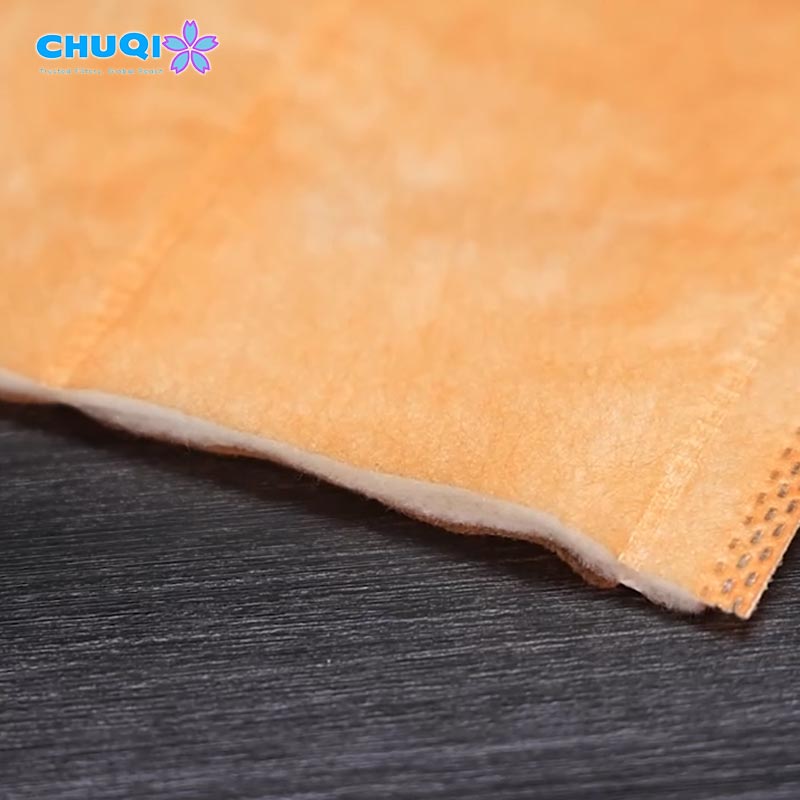
Synthetic nonwoven filter media is formed by arranging fibres into a web and bonding them together. Unlike woven fabric, which is made by interlacing yarns in a regular pattern, nonwoven material does not rely on a conventional weaving process.
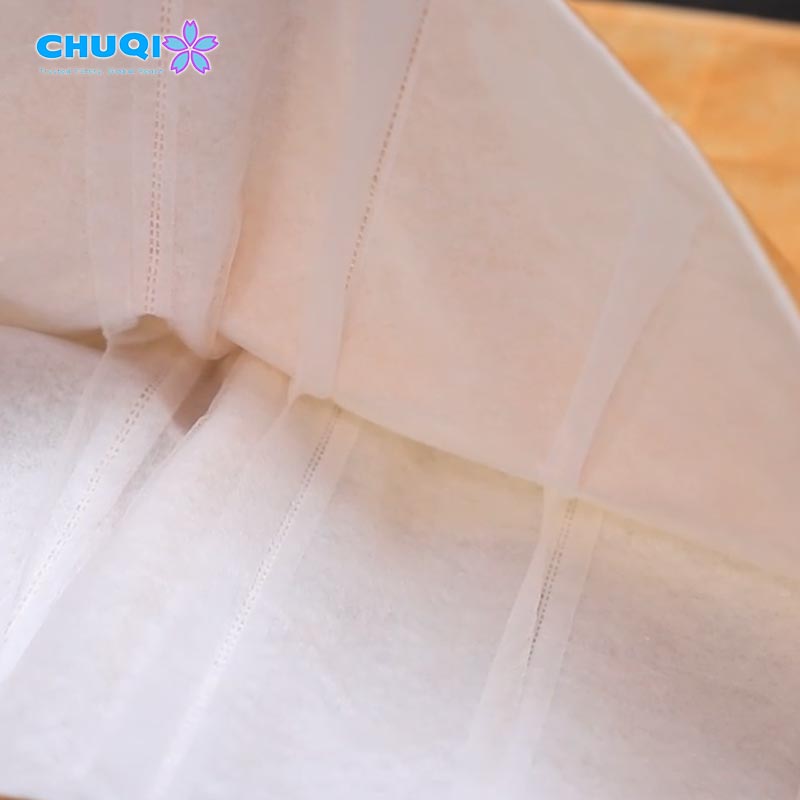
The fibres form a connected structure that gives the material its physical integrity. Depending on the product design and manufacturing process, the web may have a relatively uniform structure, multiple combined layers or a progressive-density construction.
Several factors influence the final material structure:
Fibre composition and characteristics
Fibre distribution within the web
Material thickness and structural uniformity
Bonding method
Single-layer or multi-layer construction
These characteristics should be considered together. A material’s appearance or thickness alone cannot reveal how consistently its fibres are distributed or how well its internal structure is integrated.
For filter manufacturers, the key concern is whether the material maintains sufficient consistency during normal handling and production.
2. How Fibre Distribution Affects Material Structure
Fibre distribution is an important part of nonwoven filter media construction.
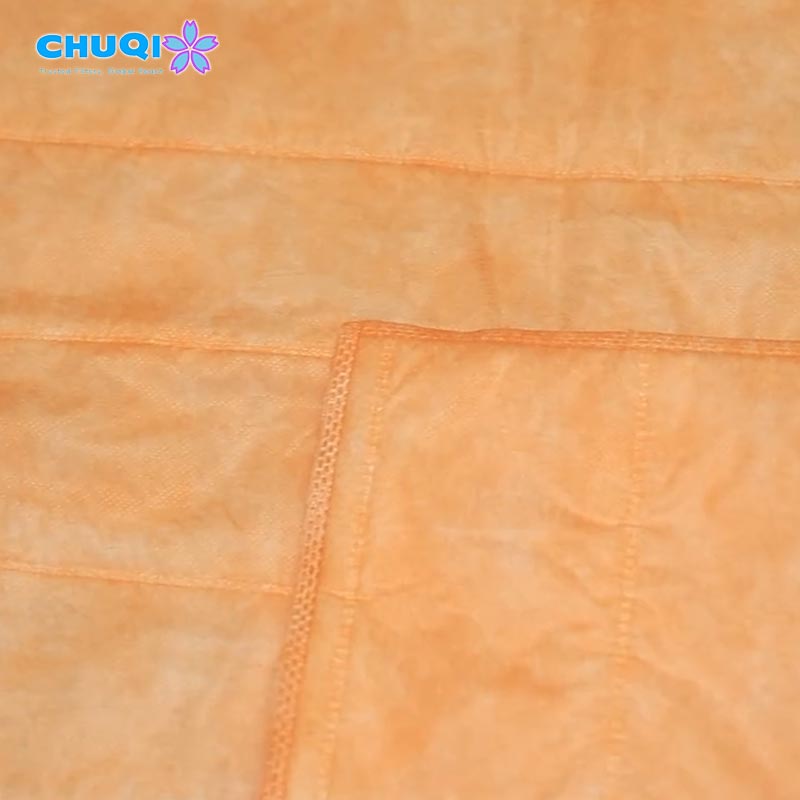
When fibres are distributed relatively consistently, the material is more likely to have a uniform physical appearance and structure. Noticeable local variations, on the other hand, may indicate areas that deserve closer inspection.
When examining a sample, manufacturers should look for:
Uneven areas
Check whether some sections appear noticeably thinner, more open or less consolidated than surrounding areas. A single visual difference does not necessarily indicate a defect, but significant local variations should be investigated.
Fibre concentration
Observe whether the material appears consistent across its surface. Areas with visibly different fibre distribution may behave differently during handling or cutting.
Structural continuity
Check whether the web remains integrated across the sample. Local separation, damaged areas or unusually loose fibres may indicate potential material integrity issues.
It is also important to distinguish surface appearance from internal construction. A material can look uniform on one side while having a different structure through its depth.
For this reason, inspecting a cross-section or requesting construction information from the supplier can provide a more complete understanding of the material.
3. How Bonding Holds Nonwoven Fibres Together
Fibres need to be connected to form a usable nonwoven material web.
Depending on the product design, nonwoven filter media may use thermal, mechanical or chemical bonding methods. The specific method depends on the manufacturing process and should be confirmed by the material supplier rather than assumed from appearance alone.
For filter manufacturers, the practical question is whether the fibres remain sufficiently integrated during normal handling and processing.
Potential signs of bonding or structural inconsistency include:
Loose fibres that separate easily during handling
Local areas that appear less consolidated than the surrounding material
Visible separation or weak spots
Edges that become unstable during cutting
These observations can indicate potential material or processing concerns, but visual inspection cannot independently establish bonding strength or identify the exact bonding technology.
Some nonwoven materials also show regular surface patterns or pressed details. These visible features can help describe the material’s construction, but they should not be treated as proof of a particular bonding process.
A suitable evaluation should combine visual inspection with practical handling and, where necessary, appropriate material testing.


4. How to Inspect Surface and Edge Quality
Surface condition and edge integrity are two useful starting points when inspecting synthetic pocket filter media.
They help manufacturers identify visible inconsistencies before the material enters production.
Surface consistency
Inspect several areas of the sample rather than focusing on one small section.
Look for:
Noticeable differences in surface appearance
Local thin or uneven areas
Visible defects or damaged sections
Areas where fibres appear unusually loose or poorly integrated
Minor visual variations do not necessarily make a material unsuitable. However, significant inconsistencies across a sample or roll deserve further investigation.
Fibre condition
Check whether the fibres remain integrated into the material during ordinary handling.
Excessive loose fibres may create difficulties during cutting, joining or subsequent handling. The actual impact depends on the material construction and the filter manufacturer’s production process.
Edge integrity
The cut edge is particularly important for pocket filter manufacturing.
A reasonably stable edge helps maintain consistent material dimensions during cutting and assembly. If fibres separate or unravel excessively, it may become more difficult to achieve clean cuts and reliable joining.
Pay attention to the difference between minor loose fibres at the cut edge and continuous fibre separation along a longer section. The latter may indicate a more significant processing concern.
Inspect different positions across the roll
A small sample does not necessarily represent the entire roll.
For a more reliable initial inspection, examine material from different positions, such as the beginning, middle and end of a roll when samples are available.
Compare the surface condition, visible structure, edge behaviour and any noticeable local variations.
This helps identify inconsistencies that may not be apparent from a single sample area.
Practical material inspection checklist
| Inspection point | What to look for |
|---|---|
| Surface | Uneven areas, visible defects or local inconsistencies |
| Fibre condition | Loose fibres or excessive shedding |
| Edges | Unravelling, separation or unstable cut edges |
| Roll consistency | Noticeable differences between sampled positions |
| Handling | Deformation, snagging or damage during normal handling |
Visual inspection helps identify material consistency and processing concerns, but it cannot replace laboratory testing for filtration efficiency, pressure drop, dust holding capacity or mechanical strength.
5. Common Synthetic Pocket Filter Media Structures
Synthetic pocket filter media can use different internal structures. Understanding these differences helps manufacturers evaluate material construction rather than relying only on thickness or surface appearance.
Three common structural descriptions are relatively uniform, composite and progressive-density construction.
| Material construction | Structural characteristics | What manufacturers should examine |
|---|---|---|
| Relatively uniform structure | Fibre distribution remains broadly consistent through the material depth | Surface consistency and overall material uniformity |
| Composite structure | Different material layers are combined into one construction | Layer integrity and consistency between layers |
| Progressive-density structure | Fibre structure changes gradually through the material depth | Density transition and overall structural consistency |
Relatively uniform construction
In a relatively uniform structure, the material maintains broadly similar characteristics through its depth.
Manufacturers should examine whether the web is consistent across different areas and whether there are obvious local variations.
Composite construction
Composite media combines different layers into one material structure.
The layers may have different characteristics or functions, depending on the product design. Their combination creates a material with a more complex construction than a single-layer web.
When inspecting composite media, look for signs of layer separation, inconsistent construction or damage that may affect material integrity.
Progressive-density construction
Progressive-density media has a fibre structure that changes gradually through the material depth rather than remaining completely uniform.
This describes how the material is constructed. The actual filtration characteristics cannot be determined from the structural description alone and require appropriate performance testing.
A key point for manufacturers is that greater thickness, more visible layers or a more complex-looking surface does not automatically mean better material quality. The complete construction needs to be understood in relation to the intended filter design.
6. What Happens During Cutting and Joining?
Pocket filter media must be compatible with the filter manufacturer’s production process.
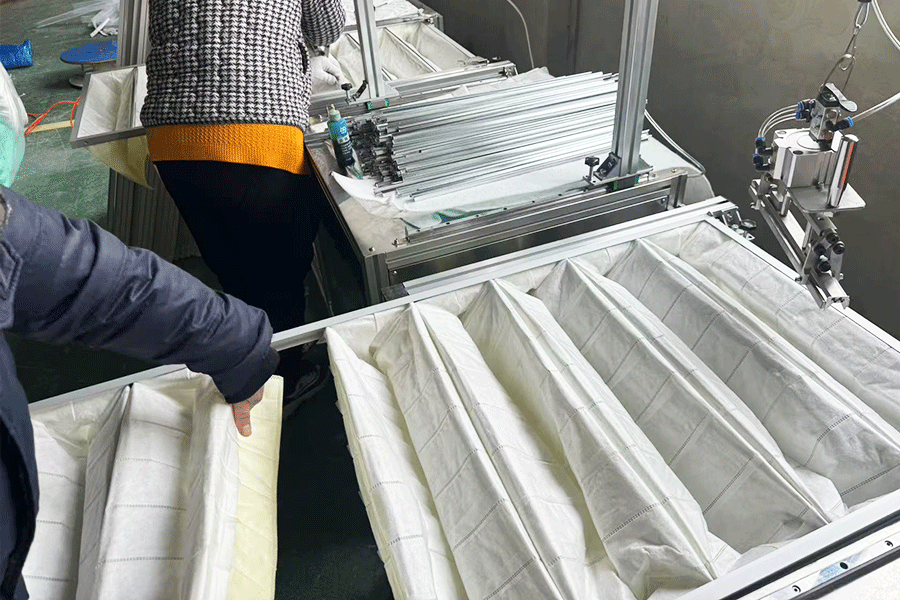
Before a finished filter is assembled, the material may need to be unwound, measured, cut and joined according to the product design. Its behaviour during these operations can influence production consistency.
During unwinding and handling
The material should feed through the production process without excessive deformation, snagging or local damage.
Roll consistency is important. Noticeable variations between different sections may affect material feeding and subsequent cutting.
During cutting
Check whether the material maintains a reasonably clean and consistent cut edge.
Excessive fibre separation or edge damage may complicate subsequent joining operations. The impact depends on the cutting equipment, material construction and production method.
For manufacturers using automated cutting equipment, testing the material under actual operating conditions is more useful than relying only on manual sample inspection.
During joining
The material must be compatible with the joining method used in the filter manufacturing process.
Different production methods place different demands on the material. A sample that is easy to handle manually may behave differently during continuous or high-speed production.
Manufacturers should therefore evaluate the material using their actual joining process and inspect the resulting connections for consistency and integrity.
The objective is not simply to find a material that can be assembled once, but one that can be processed consistently under normal production conditions.


7. Inspecting Finished Pocket Filter Construction and Quality
Raw pocket filter media is only one component of a finished pocket filter.
After the material has been cut and assembled, the completed filter should be inspected separately. Its construction quality depends on the complete product design, not just the raw media.
Pocket arrangement
Check whether the pockets are arranged consistently and whether their dimensions are reasonably uniform across the filter.
Uneven pocket construction may affect how air is distributed through the finished filter.
Seams and joining areas
Inspect the joined edges and seams for:
Visible gaps or incomplete connections
Local damage around joining areas
Inconsistent joining along the seam
Separation during normal handling
Seam integrity matters because weak or incomplete connections can affect the physical integrity of the finished filter.
Visual inspection can identify obvious defects, but seam strength should be evaluated through suitable product or process testing.
Pocket spacing
Check whether adjacent pockets maintain the intended spacing and arrangement.
Crowded, folded or unevenly positioned pockets may change the effective filtration area and airflow distribution compared with the intended design.
Frame and overall assembly
Inspect the connection between the pocket assembly and the filter frame.
The finished filter should maintain its intended dimensions and fit the equipment for which it was designed.
The pocket shape and overall structure are determined by the complete filter design and its supporting and joining components. Soft filtration media alone should not be expected to maintain the finished pocket geometry.
Why raw material quality does not guarantee finished filter quality
A consistent raw material sample is a useful starting point, but it cannot guarantee that every finished filter will be correctly assembled.
The final result also depends on cutting accuracy, joining quality, pocket arrangement, frame connection and overall assembly.
This is why manufacturers should inspect raw material and finished filters as two separate stages of quality control.
8. Synthetic Pocket Filter Media from Chuqi New Materials
Chuqi New Materials manufactures air filtration materials and finished air filters for industrial and HVAC applications.
For pocket filter manufacturers, material construction and production compatibility are important considerations when introducing or changing a filtration material.
Chuqi supplies pocket filter media for different filtration and manufacturing requirements. Depending on the material and application, supply options can be discussed in terms of roll dimensions, material construction and other practical specifications.
Explore our Pocket Filter Media to learn more about the available material options.
If you are looking for a complete filtration product rather than raw media, visit our Nonwoven Pocket Filter product page.
For a broader guide to filtration efficiency, initial pressure drop, dust holding capacity and other selection considerations, read our article: Pocket Filter Media: Key Features Filter Manufacturers Should Evaluate.
Frequently Asked Questions
Q1: What is the difference between woven and nonwoven filter media?
A: Woven media is made by interlacing yarns in a regular pattern, while nonwoven media is formed by arranging and bonding fibres into a web. Synthetic pocket filter media commonly uses a nonwoven structure.
Q2: What causes nonwoven filter media to shed fibres?
A: Fibre shedding may be associated with fibre bonding, material handling, cutting conditions or local structural defects. The cause should be assessed by examining the material and testing it under actual processing conditions.
Q3: Why is edge integrity important in pocket filter production?
A: Unstable or damaged edges can make cutting and joining more difficult. Consistent edge condition helps manufacturers maintain more reliable material handling and assembly.
Q4: Why should manufacturers inspect different positions across a filter media roll?
A: A small sample may not represent the consistency of the entire roll. Inspecting material from different positions can help identify local variations in surface structure, edge condition or visible defects.
Q5: What is the difference between composite and progressive-density filter media?
A: Composite media combines different layers into one material construction, while progressive-density media has a fibre structure that changes gradually through its depth. They describe different construction approaches and should not be treated as interchangeable terms.
Q6: Can visual inspection confirm the bonding strength of nonwoven filter media?
A: No. Visual inspection can reveal loose fibres, local separation or visible inconsistencies, but it cannot quantify bonding strength. Appropriate material or process testing is needed for a reliable assessment.
Q7: Does raw filter media determine the shape of a finished pocket filter?
A: Not by itself. The media provides the filtration layer, while the finished pocket structure depends on the complete filter design, including pocket arrangement, joining components and supporting construction.
Q8: Why should finished pocket filter seams be inspected?
A: Seams connect the material sections that form the pockets. Visible gaps, incomplete connections or local damage may affect the physical integrity of the finished filter. Seam strength should also be checked through suitable testing.