
Industrial air filtration systems face very different challenges depending on the application. A panel filter that performs well in a commercial HVAC system may require a different media composition, frame design or replacement schedule when used in a dusty manufacturing plant or an industrial air intake system. Choosing the right industrial panel air filter involves more than selecting a filtration grade. Airflow, airborne particle loading, initial pressure drop, operating temperature and filter construction all influence filtration performance, service life and the protection of downstream filters and equipment.
In this guide, we explain where industrial panel filters are used, how they function as pre-filters in suitable air filtration systems, and which factors engineers and maintenance teams should evaluate before choosing a filter.
Looking for a product solution? Explore our industrial panel air filters to review available configurations for your application.
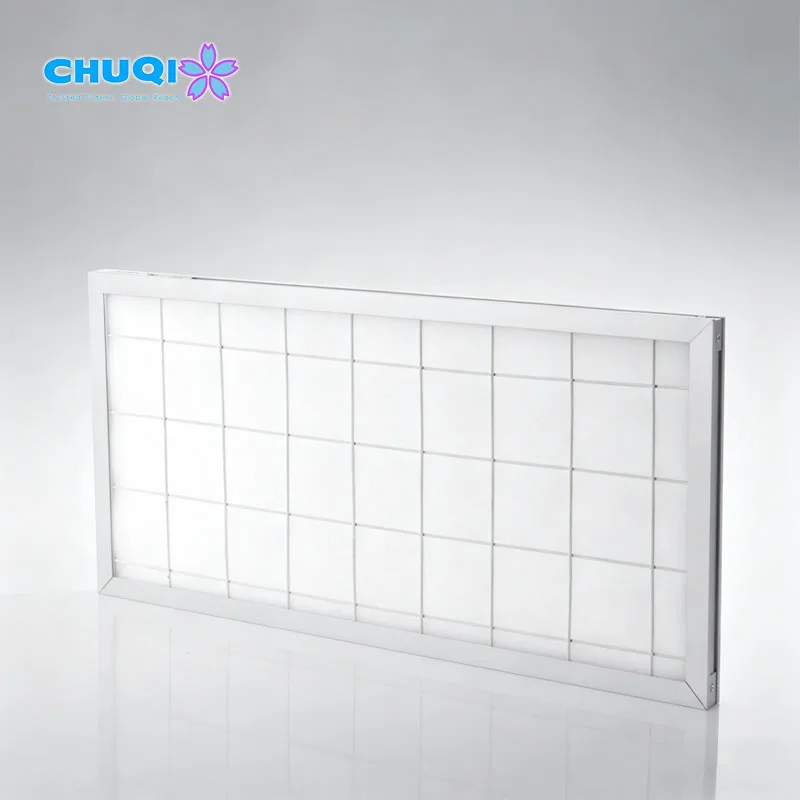
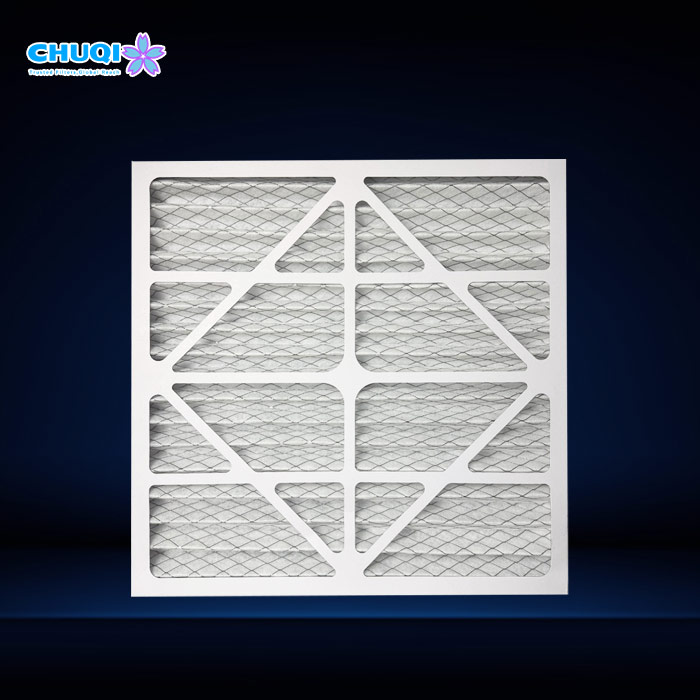
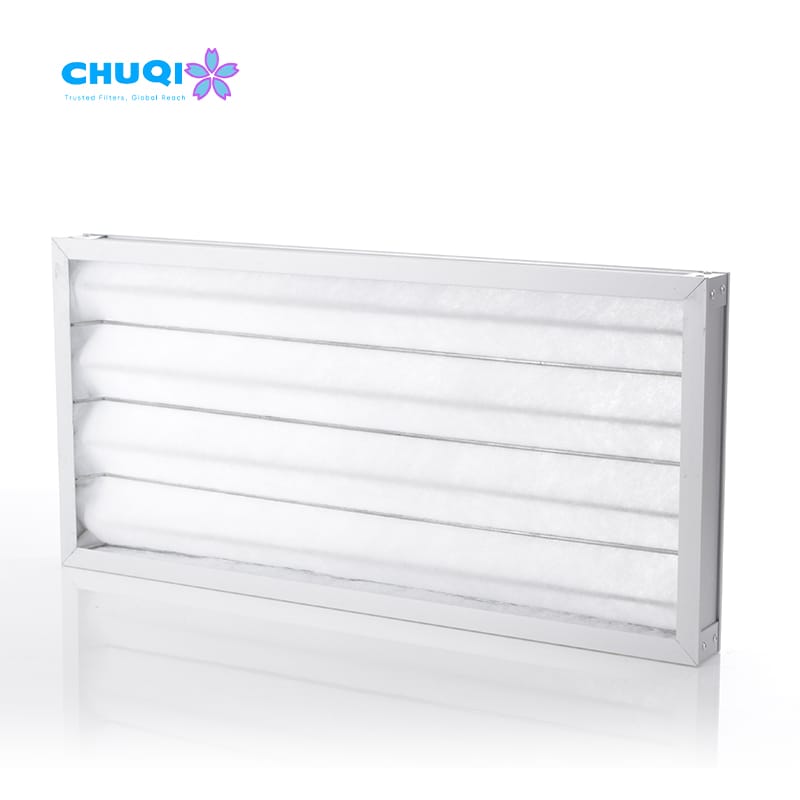
An industrial panel air filter is a flat or panel-shaped air filtration component installed in a compatible ventilation, HVAC or equipment air intake system.
Depending on the design, it may consist of filter media supported by a frame, with optional reinforcement to help maintain its shape under the intended operating conditions.
Panel filters are often used as pre-filters, although their exact role depends on the filtration system and the performance of the selected product.
Typical selection considerations include:
- Filtration efficiency: The filter’s rated ability to capture particles under the applicable test standard.
- Airflow and pressure drop: The relationship between operating airflow and resistance across the filter.
- Dust-holding capacity: The amount of dust retained under defined test conditions before a specified endpoint is reached.
- Frame construction: The materials, dimensions and structural design required by the installation.
- Operating environment: Temperature, humidity, particle loading and potential exposure to oils or chemicals.
The key is to select a filter based on the actual system requirements rather than assuming that every industrial panel filter provides the same performance.
Explore the available options: Industrial Panel Filter Products.

2. Where Are Panel Filters Used in Industrial Air Filtration?
Panel filters may be used in several industrial applications when their filtration performance and construction match the system requirements.
2.1 Industrial HVAC and Factory Ventilation
Manufacturing facilities often use HVAC and ventilation systems to supply outdoor air, manage indoor conditions and support production environments.
These systems may encounter airborne dust from material handling, general manufacturing activities and the surrounding environment.
A suitable panel pre-filter can capture particles within its rated performance range before they reach downstream filters. This helps manage the particle load entering subsequent filtration stages.
When selecting a panel filter for industrial HVAC, consider the existing filter housing, required airflow, acceptable pressure drop, expected dust loading and the filtration requirements of the downstream system.
For replacement projects, confirming the original filter dimensions and operating conditions is an important first step.
Product connection: View our industrial panel air filters for product options relevant to compatible HVAC pre-filtration applications.
2.2 Automotive Manufacturing and Paint Shop Air Supply
Automotive painting and finishing processes require careful management of airborne contamination. Particles entering the supply air stream may affect the cleanliness of the working environment and contribute to coating defects.
Panel filters may be used as an initial filtration stage in suitable paint shop supply air systems. They can help reduce the particle load before air passes through subsequent filtration stages.
The required filter configuration depends on the air handling system, the target cleanliness, airflow and the type of contamination present.
It is also important to distinguish between supply-air filtration and direct paint mist or overspray collection. A conventional HVAC panel pre-filter should not automatically be treated as a replacement for a dedicated paint arrestor or another application-specific filtration stage.
When specifying filters for a paint shop, verify the location of the filter within the system and the performance required at that stage.
2.3 Industrial Equipment and Air Intake Systems
Compressors, industrial ventilation equipment and other machinery may require filtration of incoming air to limit the entry of airborne particles.
Depending on the equipment design, a panel filter can serve as an initial filtration stage upstream of additional filtration components.
Important considerations include the required airflow, ambient dust concentration, pressure-drop limits, structural support and accessibility for filter replacement.
More demanding applications, including certain gas turbine intake systems, require a separate engineering assessment. High airflow, weather exposure and equipment-specific requirements can make a standard panel filter unsuitable without appropriate verification.
The intended application should therefore be confirmed before selecting a filter configuration.
2.4 Heavy Manufacturing and Metalworking
Metal fabrication and general manufacturing can generate airborne particles through machining, grinding, material handling and other production activities.
Panel filters may be suitable for compatible general ventilation or equipment intake applications, depending on particle loading and the filter’s rated performance.
However, direct extraction of concentrated welding fumes, grinding dust or other process emissions may require dedicated source-capture equipment and industrial dust collection systems.
The distinction is important: a filter suitable for general ventilation is not necessarily suitable for direct process-dust collection.
When evaluating a panel filter for a manufacturing facility, consider particle characteristics, dust concentration, airflow, maintenance access and the operating limits of the filter media and frame.
2.5 Cement, Bulk Material Handling and Dusty Environments
Cement production, bulk material processing and material transfer can expose ventilation systems to significant airborne dust.
In these environments, filter selection should account for the concentration and abrasiveness of particles, the expected dust load and the pressure-drop limits of the system.
Panel pre-filters may be appropriate for certain general ventilation and equipment intake applications. For high dust concentrations or direct collection at a process source, a purpose-designed dust collector may be more suitable.
The best filtration arrangement depends on the application rather than the industry name alone.
3. Why Panel Pre-Filtration Matters in Industrial Systems
Pre-filtration is used to remove a portion of the airborne particles before air reaches downstream filtration equipment.
When a panel filter is properly matched to the application, it can help reduce the particle load reaching subsequent filter stages.
This can support filtration system maintenance and may help extend downstream filter service life under suitable operating conditions.
Three factors are particularly important.
Reducing Particle Loading on Downstream Filters
Downstream filters have their own filtration ratings and operating limits. A suitable pre-filter can capture particles within its performance range before they reach the next stage.
The benefit depends on the particle distribution, incoming air quality, pre-filter efficiency and configuration of the complete system.
Managing Pressure Drop
As dust accumulates on a filter, its resistance to airflow generally changes. Monitoring pressure drop helps operators assess filter loading and determine when maintenance or replacement is required.
When comparing industrial panel filters, review pressure-drop data at the intended airflow and consider the system’s permitted operating range.
Supporting Maintenance Planning
Filter replacement intervals depend on actual operating conditions, including particle loading, operating hours, airflow and the maintenance criteria used by the facility.
Rather than relying on a universal replacement interval, use operating records and manufacturer guidance to establish an appropriate maintenance schedule.
For a broader cost perspective, see our Panel Filter TCO and Replacement Guide.
4. How to Choose the Right Industrial Panel Filter
The correct industrial panel filter should match both the physical installation and the filtration requirements of the application.
Step 1: Define the Application
Identify whether the filter will be installed in an HVAC unit, factory ventilation system, equipment intake or another location.
The intended application determines which filtration requirements and operating constraints need to be evaluated.
Step 2: Confirm the Required Filtration Performance
Determine the required filter class or filtration efficiency according to the system design.
When comparing classifications, confirm the applicable test standard. Different standards may use different test methods, so filter classes should not be treated as directly interchangeable without supporting data.
Step 3: Check Airflow and Pressure Drop
Review the system’s operating airflow and the pressure drop permitted across the filter.
Compare filter performance at the intended airflow rather than using pressure-drop figures without their corresponding test conditions.
Step 4: Evaluate Dust Loading
Consider the concentration, size distribution and characteristics of airborne particles.
Dust-holding capacity and replacement frequency should be evaluated in relation to the actual application and the system’s maintenance criteria.
Step 5: Select the Appropriate Frame and Support
Frame materials and reinforcement affect installation compatibility and structural performance.
Depending on the product range, options may include cardboard, aluminum or galvanized steel frames. Support grids or reinforced structures may also be considered where required.
Verify the available construction options and their rated limits before ordering.
Step 6: Confirm Dimensions and Environmental Conditions
Check the filter’s length, width, depth and housing configuration.
For applications involving elevated temperatures, high humidity, oil mist or chemical exposure, confirm the compatibility of the filter media, adhesives and frame materials with the operating environment.
Need help with product selection? Review our industrial panel filter options and compare the specifications relevant to your application.
5. Panel Filters vs. Bag Filters: What Is the Difference?
Panel filters and bag filters can serve different roles within an industrial air filtration system. The appropriate choice depends on the required filtration stage, available installation space, airflow and system design.
| Selection factor | Panel filters | Bag / pocket filters |
|---|---|---|
| Typical configuration | Flat or panel-shaped media | Extended pocket-shaped media |
| Common role | Initial filtration in compatible systems | Intermediate or other specified filtration stages |
| Installation | Compatible panel housing or filter rack | Housing designed for pocket filters |
| Key considerations | Dimensions, support, airflow and dust loading | Pocket design, media area, airflow and pressure drop |
| Replacement compatibility | Must match the existing panel installation | Must match the pocket filter housing and configuration |
These are general distinctions rather than universal performance rankings. Actual efficiency, pressure drop, dust-holding capacity and service life depend on the specific product and test conditions.
A panel filter should not be replaced with a bag filter solely because one appears to offer more media area. The housing, required filtration performance and operating conditions must all be considered.
If your system uses panel filters as its initial filtration stage, start by confirming the existing filter specification and the performance required by the complete system.
Choosing a panel filter starts with understanding the system in which it will operate.
Whether you are replacing existing filters, evaluating a new ventilation installation or sourcing filters for an industrial supply program, the specification should match the application, airflow, filtration requirements and operating environment.
Before requesting a quotation, prepare the following information:
- Application and installation location
- Required filter dimensions and frame configuration
- Operating airflow and acceptable pressure drop
- Required filtration class or performance criteria
- Temperature, humidity and dust-loading conditions
- Estimated order quantity and purchasing requirements
Review the available industrial panel air filters to identify suitable product options.
Need a filter for a specific industrial application? Contact our team to discuss your panel filter requirements and provide the specifications needed for a product suitability review.
Final filter selection depends on the application requirements and confirmation of the available product specifications.