The Ultimate Guide to Intake Filter Media: How Synthetic Pre-Filters Protect Downstream Systems & Lower Operational Costs

In industrial ventilation, paint spray booths, and specialized coating applications, managing intake air quality is paramount. Unfiltered airborne particulates, dust, and overspray can severely compromise finished product quality and cause rapid clogging of expensive high-efficiency filters (such as HEPA or secondary pocket filters).

This is where selecting the right air intake filter media—frequently utilized as intake filter media or pre-filter media—plays a decisive role. As the primary defense line in air intake systems, high-quality intake filter material balances low air resistance with high dust holding capacity to ensure optimal system performance.

In this guide, we break down what B2B buyers, engineers, and facility managers need to know about selecting air filter media rolls, comparing material options, and optimizing maintenance schedules.

1. What is Air Intake Filter Media?

Air intake filter media is a coarse filtration material designed to capture larger airborne particles (such as dust, lint, and paint overspray) right at the air entry point of a ventilation system, spray booth, or air compressor intake.

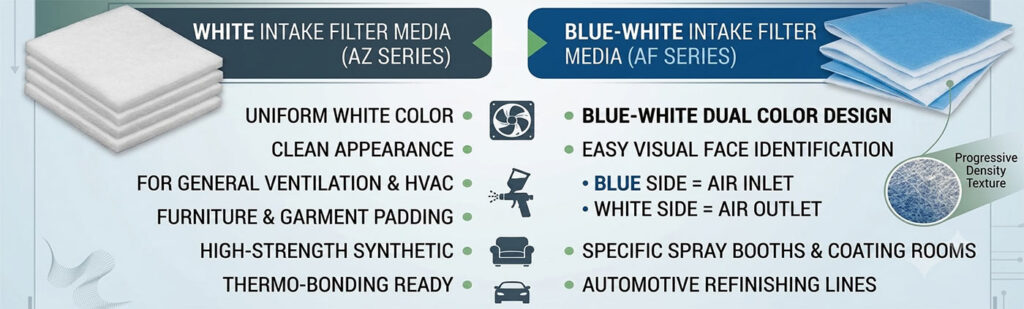
When businesses ask, “What fabric can be used as an air filter?” or “What is the best material for an air filter?”, industrial applications almost universally rely on non-woven, high-strength synthetic fibers over household fabrics or pure foam air filter material. Synthetic non-wovens are engineered with a gradual density structure (or progressive density), meaning the fiber arrangement grows progressively denser from the air-inlet side to the air-outlet side.

Key Benefits of Progressive Density Structure:

  • Depth Filtration: Larger particles are trapped near the front, while finer dust penetrates deeper into the air intake media, preventing premature surface blinding.

  • Low Initial Resistance: Maintains steady airflow, directly addressing common concerns regarding high pressure drops in industrial intake filters.

  • High Dust Holding Capacity: Extends the service life of the filter media and prevents frequent, costly system downtime.

2. White vs. Blue-White Intake Filter Media: Key Differences

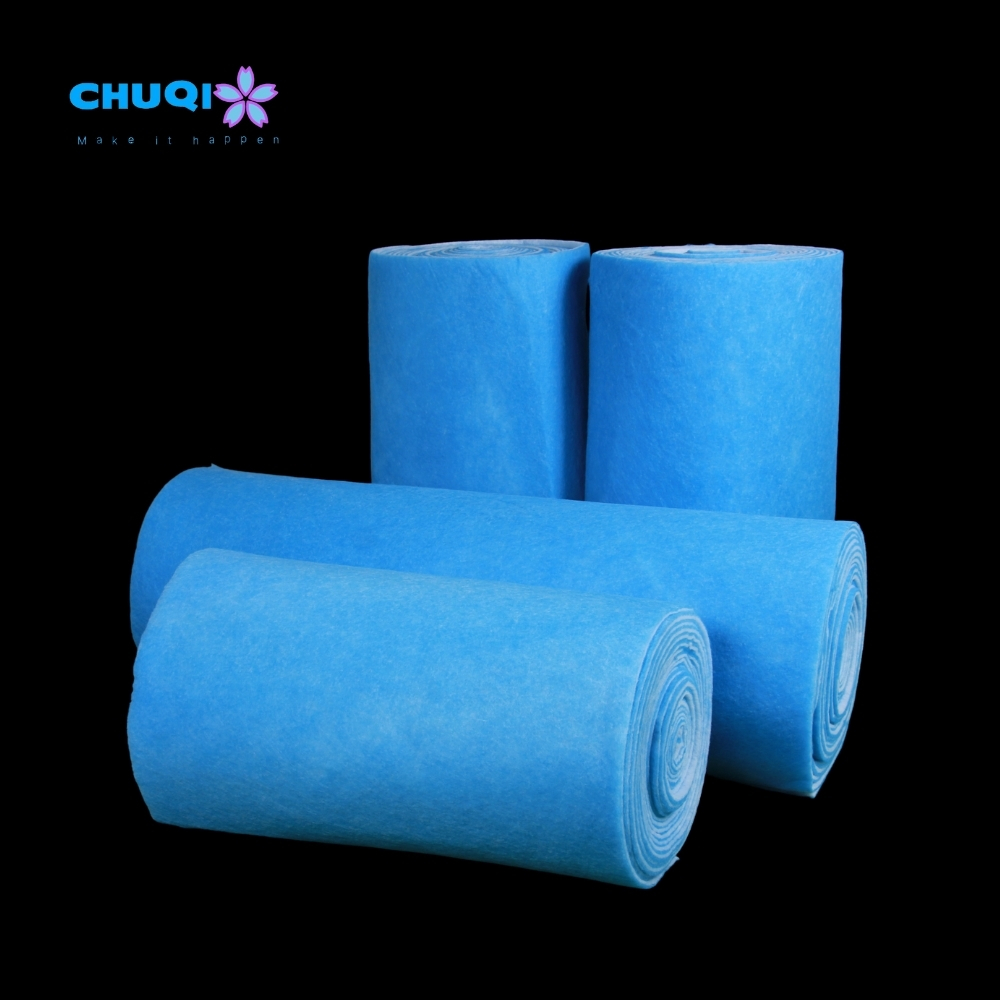
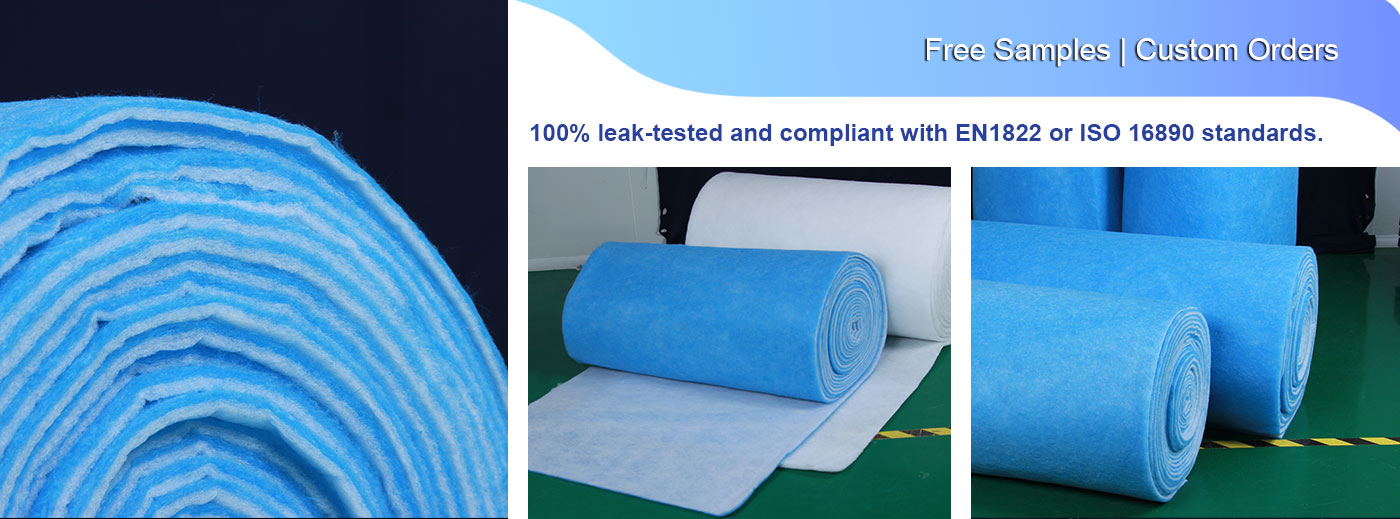
When sourcing bulk air filter media rolls, procurement managers frequently encounter two primary classification standards: AZ (White) and AF (Blue-White).

Feature / ModelWhite Intake Filter Media (AZ Series)Blue-White Intake Filter Media (AF Series)
Visual DesignUniform white synthetic fiber materialBlue air-inlet side, white air-outlet side
Key AdvantageClean, standard appearance for general ventilation & structural paddingEasy visual identification during installation to prevent reverse fitting
Primary ApplicationsGeneral ventilation, automotive air filter material, furniture paddingSpray booths, auto refinishing, industrial coating lines
Processing FlexibilitySuitable for thermo-bonding, adhesive coating, or cut to fit air filter materialRoll form, custom cut sheets, thermo-bonding

Pro Tip for Installers: The dual-color design in AF (Blue-White) media ensures technicians instantly install the filter with the correct orientation—blue facing the incoming contaminated air and white facing the downstream clean airflow.

az series white intake filter media vs af series blue white filter media

3. Primary Applications for Industrial Intake Filter Materials

High-strength synthetic air filter material is versatile and widely utilized across multiple industrial and commercial sectors:

  1. Paint Spray Booths & Automotive Refinishing: Serves as ceiling or cold air intake filter material pre-filtration to capture ambient dust before air enters the finishing zone, preventing surface defects on fresh paint coatings.

  2. Coating Rooms & Cleaning Workshops: Pre-filters air entering cleanrooms or industrial process zones, protecting mid-to-high efficiency filters downstream.

  3. Air Compressor Intake Filter Media: Shields internal blowers, heavy engines, and secondary air filters from coarse environmental particulates.

  4. Bulk Automotive & OEM Roll Processing: High-loft synthetic car air filter material bulk rolls can be hot-pressed or glued for specialized OEM industrial filter frame integration.

4. How Pre-Filter Media Extends HEPA & High-Efficiency Filter Lifespan

Many procurement officers evaluate: “Is media air filter worth it?” or “What is the best order for filter media?”

The answer lies in Total Cost of Ownership (TCO) and optimal media sequence:

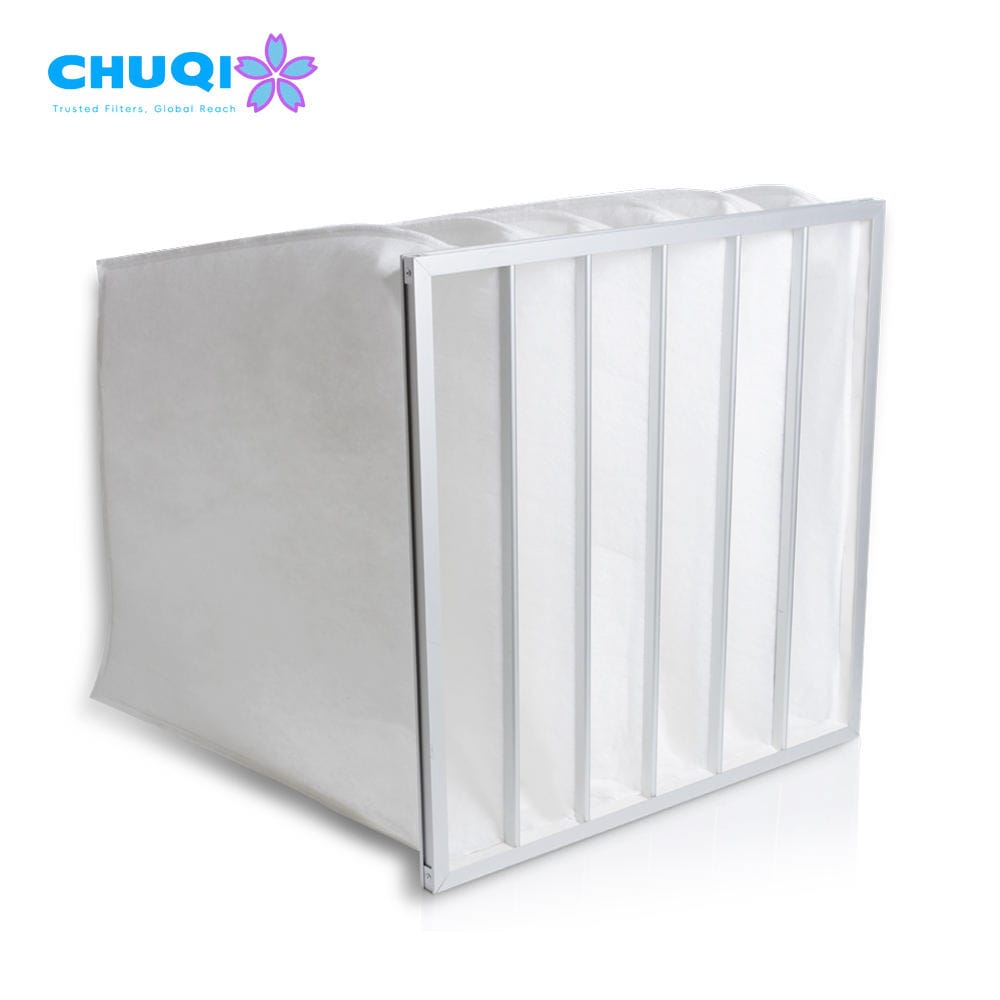
[ Air Intake ] ➔ [ Coarse Intake Pre-Filter Media ] ➔ [ Pocket/Bag Secondary Filter ] ➔ [ HEPA / High-Efficiency Filter ]

optimal media sequence air intake pre filter media

High-efficiency secondary filters (such as F7/F8 pocket filters or HEPA units) are significantly more costly to replace than coarse air filter media rolls. Without adequate pre-filtration:

  • Coarse dust quickly loads onto high-efficiency media.

  • Pressure drop rises rapidly, consuming significantly more fan energy.

  • High-efficiency filters require premature replacement.

By installing a cost-effective cut-to-fit air filter material (AZ or AF series) at the air intake, you capture 80%+ of heavy particulate load at a fraction of the cost. A standard replacement cycle for intake pre-filter media is typically 1 week or longer, depending on environmental dust loading, drastically prolonging the overall lifespan of downstream units.

with vs without adequate air pre filtration comparison

5. Environmental & Safety Standards: Synthetic Media vs. Microplastics Risk

A growing concern among global buyers is whether air filters release microplastics. Premium synthetic intake filter media uses thermally bonded, continuous high-tenacity fibers with high structural integrity. Unlike inferior or deteriorating foam materials, high-spec synthetic non-woven filter media undergoes strict anti-shedding processing, ensuring fibers remain intact and preventing particle shedding into downstream clean air systems.

6. Key Considerations When Sourcing Bulk Air Intake Filter Media

To ensure you get maximum performance when choosing how to select the right filtration media, evaluate the following parameters with your manufacturer:

  • Roll Sizes & Cut-to-Fit Flexibility: Ensure the supplier offers standard media roll widths (e.g., 1m, 2m) with easy cut to fit air filter material properties for custom frame sizing.

  • Fiber Strength & Anti-Shedding: High-tenacity synthetic fibers prevent fiber migration into clean air streams.

  • Thermal & Bonding Options: Check if the media supports thermo-bonding or adhesive application if your downstream process requires tacky media for finer dust retention.

  • Supply Chain & Bulk Logistics: Partnering with direct industrial filtration material manufacturers ensures consistent media weight, uniform density, and reliable bulk roll delivery.

Conclusion & Custom Sourcing Solutions

Optimizing your intake air filtration starts at the entry point. Utilizing high-strength synthetic fiber air intake filter media with progressive density allows industrial facilities to maintain optimal airflow, reduce energy consumption, and protect critical downstream filtration assets.

Whether you need bulk White Intake Filter (AZ) rolls or Blue-White Intake Filter (AF) media customized to specific dimensions, choosing factory-direct filtration media ensures unmatched performance and cost efficiency.

Looking for reliable, factory-direct Air Intake Filter Media Rolls?

【Contact our technical sales team】 today to request product samples, technical datasheets, or custom OEM roll dimensions for your global procurement needs.

Do you have any questions about how our air filtration products apply to your specific industry?
Scroll to Top