If you are expanding your air purification product line or launching a private label ventilation brand, entering the market quickly with a reliable product is your top priority. While OEM (Original Equipment Manufacturer) requires you to provide complete blueprints, partnering with an HVAC filters ODM (Original Design Manufacturer) allows you to leverage an existing, pre-tested, and certified engineering foundation.
But how do you choose the right ODM partner to ensure high-performance filtration, cost efficiency, and seamless market entry? Let’s break it down.
What is an HVAC Filters ODM?
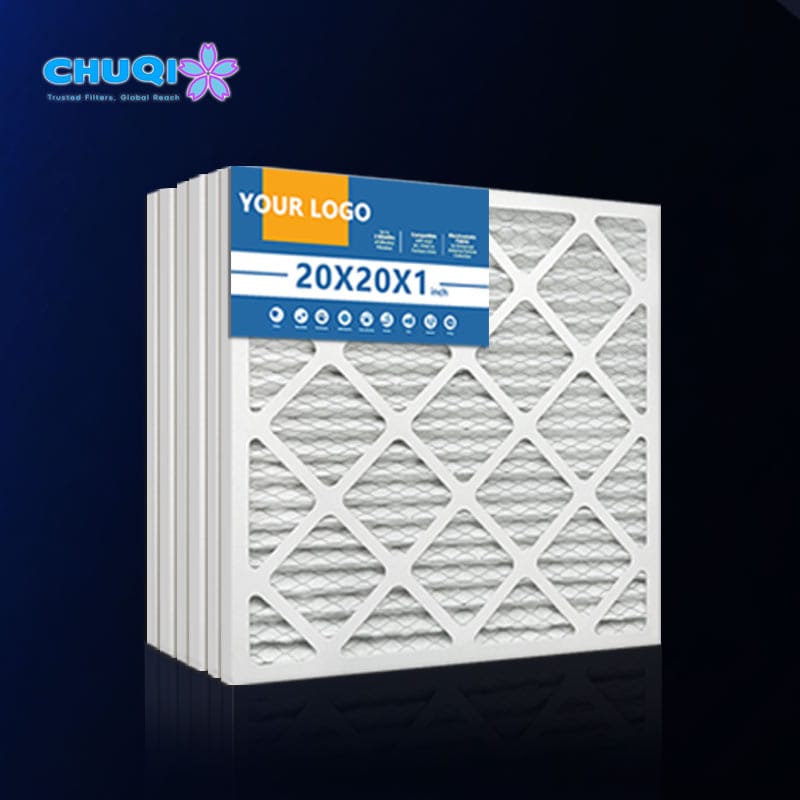
An HVAC filters ODM is a manufacturer that designs, tests, and produces air filters entirely in-house. As a brand owner, you can select these pre-designed filters, apply minor customizations (such as dimensions, frame materials, or custom branding/packaging), and sell them under your own label.
Why choose ODM over OEM? It drastically cuts down your Research & Development (R&D) costs and shrinks your time-to-market from years to mere weeks.
Critical Factors When Evaluating an HVAC Filters ODM Partner
Not all filtration manufacturers are created equal. When sourcing a B2B partner, prioritize the following four pillars:
1. Compliance with Global Filtration Standards
Air quality regulations are strict. Your ODM partner must provide proof of third-party certifications depending on your target marketplace:
North America: ASHRAE 52.2 (MERV ratings from MERV 8 to MERV 16) and UL 900 fire safety compliance.
Europe & Asia: EN 779 or ISO 16890 standards (e.g., ePM1, ePM2.5, Coarse filters).
2. Advanced Customization Capabilities
Even with an ODM model, your filters shouldn’t look identical to your competitors. A top-tier manufacturer should offer custom options for:
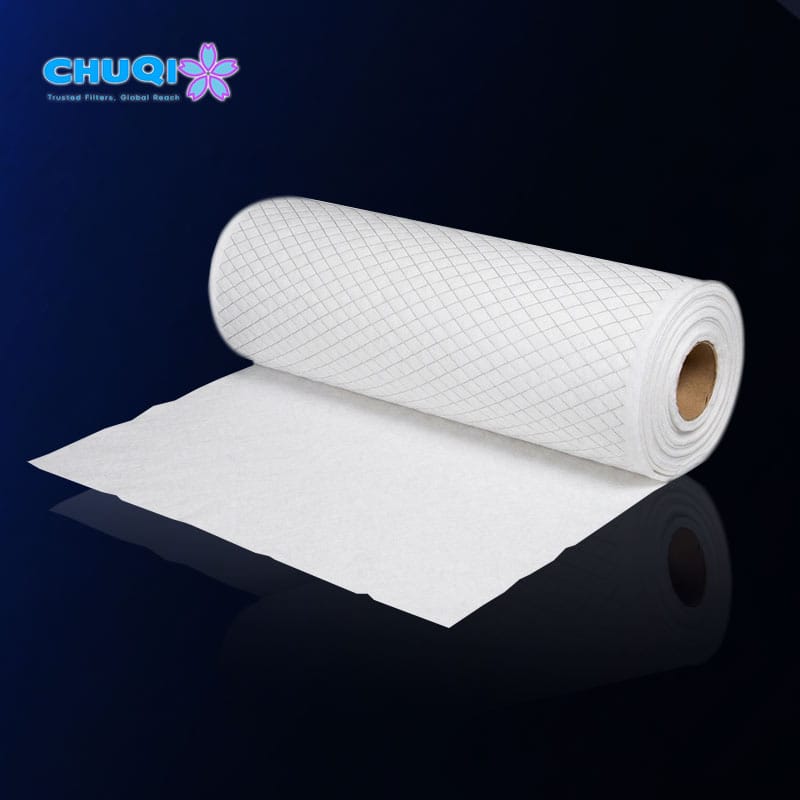
Filter Media: Fiberglass, synthetic, pleated cotton-poly blends, or activated carbon for odor removal.
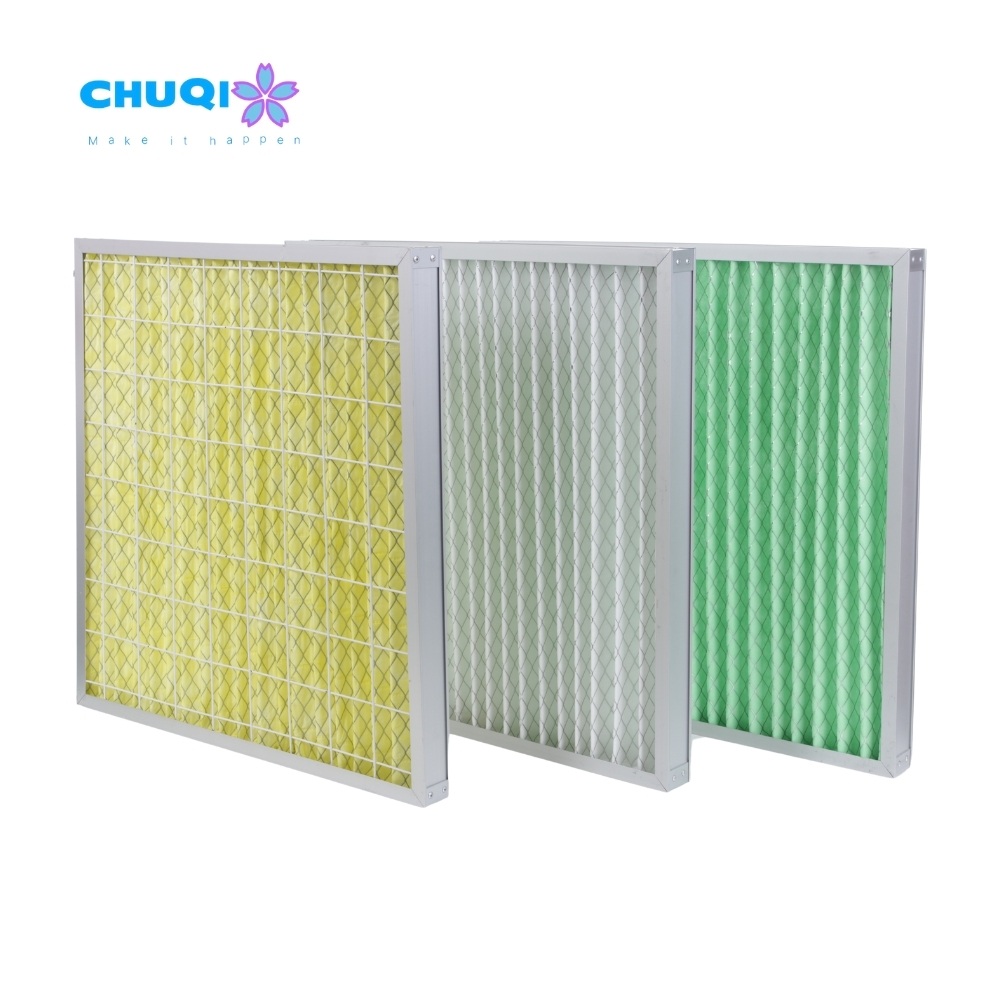
Structural Design: Rigid frames, plastic injection molded edges, windowpane, or basket filters.
IP-Rated Performance: Specialized industrial or outdoor HVAC filters often require IP44, IP55, or IP65 ratings for moisture and dust protection.
3. Prototyping and Computational Fluid Dynamics (CFD)
Before mass production begins, an experienced ODM partner should utilize CFD modeling to simulate airflow and pressure drop. This ensures your filter achieves maximum dust-holding capacity without suffocating the HVAC system’s motor.
4. Supply Chain Reliability & Minimum Order Quantities (MOQ)
B2B manufacturing requires a balance between low inventory risk and high-volume discounts.
How to Verify an HVAC Filter Factory’s Real Capabilities
The biggest risk in a B2B ODM partnership is running into a pure trading company disguised as a manufacturer. To protect your supply chain, always audit your potential partner against this checklist before signing a contract:
In-House Testing Equipment: Does the factory own a real ASHRAE 52.2 or ISO 16890 test rig? A true ODM must have the capability to test fractional efficiency and dust-holding capacity in their own lab, rather than outsourcing every small test.
Raw Material Traceability: Ask where they source their non-woven filter media and melt-blown fabrics. Top-tier manufacturers maintain transparent, stable relationships with global chemical and material giants.
Automation Level: Request a video walkthrough or factory audit focused on their pleating and assembly lines. High-speed automated pleating machines ensure consistent pleat spacing and height, which directly prevents filter buckling and bypassing under high airflow pressures.
Ready to Launch Your Custom HVAC Filter Line?
Don’t let factory sourcing slow down your brand’s growth. At Chuqi, we bring 20 years of air filtration manufacturing expertise to deliver high-performance, MERV-certified, and fully customized cardboard air filter for HVAC tailored to your brand.
[Contact Our Engineering Team Today] to get a free structural review and an instant ODM quote for your project!