
Choose fiberglass paint arrestor rolls if you need several finished sizes and have a reliable process for cutting, checking, and packing the media. Choose pre-cut pads if your replacement dimensions are fixed and you want to eliminate in-house cutting.
If most orders use a few standard sizes, consider buying those sizes as pre-cut pads and keeping rolls for occasional requirements.
This comparison covers fiberglass paint arrestor media, also called fiberglass paint stop media, used in spray booth exhaust filtration. If you are unfamiliar with the material, start with our guide: What Is Fiberglass Paint Arrestor Media? Uses and Applications.
Rolls and pads can be made from the same media. Compare the material specification first, then decide which supply format fits your operation.
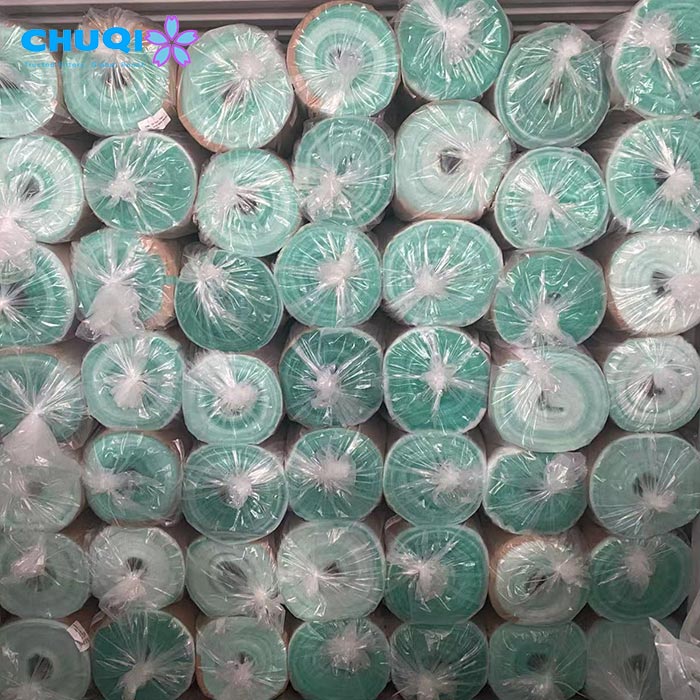
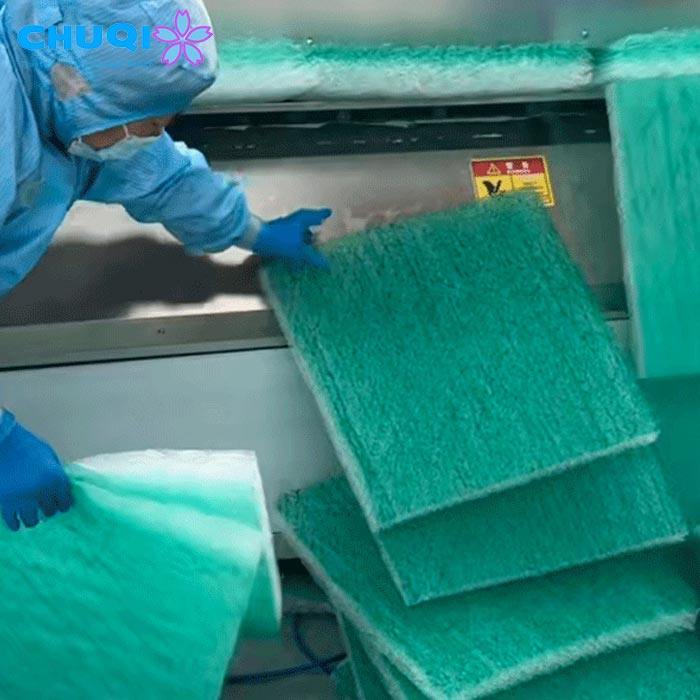
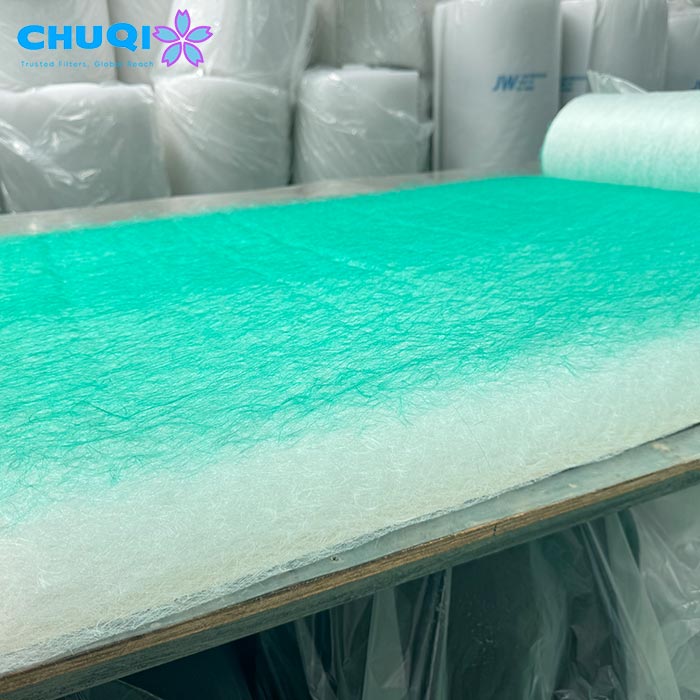
Paint Arrestor Rolls vs. Pre-Cut Pads: A Quick Comparison
| Purchasing consideration | Paint arrestor rolls | Pre-cut paint arrestor pads |
|---|---|---|
| Supply format | Continuous media in a specified width and length | Individual pieces cut to specified dimensions |
| Work after delivery | Cutting, dimensional checks, counting, and packing as needed | Dimensional and quantity checks; repacking if required |
| Inventory approach | Allocate roll stock to different finished sizes | Hold finished stock by size and pack quantity |
| Main cost factors | Material, cutting yield, labor, and packaging | Pad price, receiving, and any repacking |
| Practical fit | Varied size requirements and an established cutting process | Recurring dimensions and a preference for finished pieces |
How Many Finished Sizes Do You Need?
Choose rolls when your size mix changes
Rolls let you allocate material after you know which finished sizes are needed. This can suit distributors serving different booth configurations or converters producing several pad sizes.
However, roll width needs to match your actual cutting requirements. A roll may be wide enough to produce a particular pad while still leaving a strip that cannot be used for your other sizes.
Before ordering, review:
Your most frequently requested finished dimensions.
How those dimensions fit across the proposed roll width.
The expected number of acceptable pads per roll.
Whether offcuts have a realistic use in other orders.
Do not assume all remaining material will eventually be used. Base that assumption on actual cutting layouts and demand.
If you are considering roll stock for conversion or distribution, read Buying Bulk Paint Arrestor Rolls for Converting and Resale: What to Check Before Ordering for the purchasing details to confirm before placing an order.
Choose pre-cut pads when the same sizes recur
Pre-cut pads suit repeat orders where finished dimensions are already established. You can replenish stock in the same units you use or sell instead of converting rolls into pieces after delivery.
Confirm actual finished dimensions rather than relying only on a nominal size. For equipment replacement, check the required dimensions against the filter holder or equipment documentation.
Keep the approved media specification, pad dimensions, and pack quantity in your purchasing records so repeat orders remain consistent.
Use both formats when demand is mixed
You do not have to buy every size in the same format.
For example, a distributor can stock its most frequently ordered sizes as pre-cut pads and reserve rolls for occasional dimensions. This keeps regular orders separate from work that requires cutting.
If both formats are intended to use the same media, maintain that specification across both purchase records. Record roll dimensions, pad dimensions, and packaging separately so a format change does not unintentionally become a media-grade change.
What Work Remains After Delivery?
With rolls, your team controls the cutting schedule and finished quantities. It also takes responsibility for checking dimensions, counting acceptable pieces, and preparing them for use or resale.
Include the time required to set up cutting, handle material, inspect finished pieces, and manage leftover stock. If pads are sold to customers, include any packing and labeling work as well.
Pre-cut pads eliminate cutting, but they do not necessarily eliminate all preparation. Bulk-packed pads may still need to be divided into smaller packs for resale.
The useful distinction is therefore not simply “uncut versus cut.” It is which tasks are completed before delivery and which remain with your team.
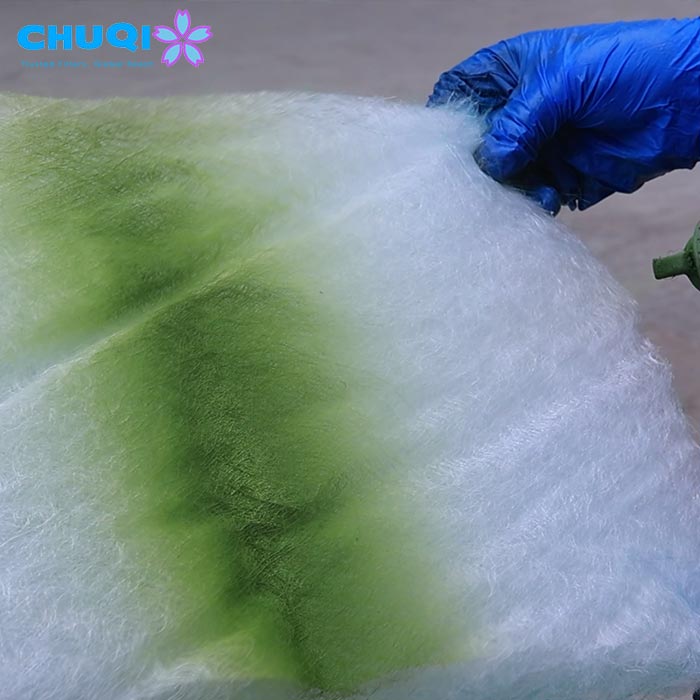

Compare Cost per Usable Pad, Not Just Purchase Price
Use the same media specification, finished dimensions, and delivery-cost basis when comparing quotations.
For rolls, a practical calculation is:
Cost per usable pad = (roll material cost + cutting, inspection, and packing costs) ÷ number of acceptable pads produced
For pre-cut pads, include any additional receiving, repacking, or labeling costs required by your operation.
An illustrative cost comparison
Suppose a roll costs USD 120 and cutting, inspection, and packing cost another USD 30. The total is USD 150 before freight.
Compare two possible output results with a pre-cut quote of USD 1.65 per pad:
| Scenario | Cost before freight | Acceptable pad quantity | Cost per usable pad |
|---|---|---|---|
| Roll processed with 100 acceptable pads | USD 150 | 100 | USD 1.50 |
| Roll processed with 80 acceptable pads | USD 150 | 80 | Approximately USD 1.88 |
| Pre-cut pads with no additional repacking | USD 1.65 per pad | As ordered and accepted | USD 1.65 |
The finished dimensions and media specification remain the same throughout this example. The two roll scenarios show how usable output changes the result.
At 100 acceptable pads, the roll option costs less per pad. At 80 acceptable pads, the pre-cut option costs less.
These figures are illustrative, not Chuqi prices. For an actual purchasing decision, include freight and other applicable charges consistently. Do not compare a roll price excluding delivery with a pad price that already includes it.
If your quotations use different pricing units, read How to Compare Paint Arrestor Prices per Roll, Square Metre, and Pad before deciding which offer is less expensive.
Which Format Fits Your Business?
Distributors and media converters
Start with the sizes that account for most of your orders. Compare their cutting layouts against the proposed roll width.
If you have an established conversion process, use actual output and labor records to evaluate roll costs. If most sales come from a small number of finished sizes, compare those costs with pre-cut quotations before assuming in-house cutting is less expensive.
Spray booth equipment suppliers and multi-site buyers
Identify which equipment shares the same replacement dimensions and whether each receiving location can cut media reliably.
Pre-cut pads can support replenishment by a defined size and quantity. Rolls remain an option where different dimensions are needed and suitable cutting arrangements are available.
For centralized purchasing, specify how stock will be allocated. A purchase order in rolls or cartons should translate clearly into the quantities each location expects to receive.
E-commerce and other resellers
Work backward from what the customer buys: a roll, a single pad, or a pack of a specified size and quantity.
Confirm whether the supplier’s packaging matches your selling unit. If it does not, include the work required to count, repack, and label the product.
“Pre-cut” describes the finished dimensions. It does not automatically mean individually packed, labeled, or ready for retail sale. For resale orders, see Paint Arrestor Pads for Resale: Sizes, Pack Quantities, and Labeling Requirements for the details to confirm with your supplier.


What Should International Buyers Specify?
When suppliers, distributors, and end users use different measurement conventions, make the purchasing specification explicit.
Confirm:
Dimensions and units: state whether measurements are in millimetres or inches, and roll lengths in metres or feet.
Finished-size requirements: distinguish nominal sizes from the actual dimensions required.
Dimensional tolerances: agree on acceptable variation rather than assuming both parties use the same standard.
Packaging quantities: specify pads per pack, packs per carton, or rolls per carton.
Quotation and delivery scope: state the delivery destination and confirm which freight and handling charges are included.
If you list dimensions in both metric and imperial units, identify which measurement governs acceptance. A rounded conversion should not unintentionally become a different finished-size requirement.
For repeat purchases across several locations, use the same approved specification rather than allowing each site to describe the product differently.
Put Both Options on the Same Purchasing Checklist
Before requesting quotations, prepare one requirements list and use it for both supply formats.
| Item to confirm | When buying rolls | When buying pre-cut pads |
|---|---|---|
| Media specification | Required grade and relevant product specifications | The same grade or another explicitly approved specification |
| Dimensions | Roll width, roll length, and planned finished sizes | Actual finished dimensions and agreed tolerances |
| Quantity | Required rolls and estimated acceptable pad output | Required quantity of each finished size |
| Work after delivery | Cutting, inspection, counting, and packing responsibilities | Any remaining inspection, repacking, or labeling |
| Packaging | Required roll and carton configuration | Pads per pack and packs per carton |
| Quotation scope | Included packaging, delivery terms, and other charges | Included packaging, delivery terms, and other charges |
If you are switching from pads to rolls, consider a small cutting trial using a common finished size. Record acceptable output, handling time, and leftover material.
If you are switching to pre-cut pads, verify the dimensions, fit, and pack quantity before scaling up. Check that the delivered format actually removes the tasks you intended to eliminate.
Once your requirements are clear, you can send your dimensions, quantities, and packing requirements to Chuqi to confirm available specifications and request a quotation.
Which Format Should You Buy?
Choose the format that matches where you want the processing work to happen.
Rolls make sense when dimensions vary and your team can convert the material reliably. Pre-cut pads make sense when dimensions recur and you want finished pieces for replenishment or resale. A combination can suit businesses with both regular and occasional size requirements.
Make the final decision using the same media requirements, finished dimensions, and total-cost basis. The lowest purchase price is not necessarily the lowest cost for a pad that is ready to use or sell.
Discuss Your Requirements with Chuqi
Review Chuqi’s fiberglass paint stop media for product information, then provide the required media specification, finished pad dimensions or preferred roll dimensions, estimated quantity, and delivery destination.
Also explain whether the material is for internal replacement, conversion, or resale, and include any packing or labeling requirements.
If you have not decided between rolls and pre-cut pads, share your current replacement dimensions and how you handle the material after delivery. This provides a starting point for confirming available specifications and quotation scope.
Before placing a bulk order, you can also contact Chuqi to discuss a free sample. Explain whether you want to assess fit, handling, or cutting so the sample requirements can be discussed. Sample specifications and shipping arrangements require confirmation; a cutting trial may need a larger sample than a basic material check.
Frequently Asked Questions
1. Do paint arrestor rolls and pre-cut pads filter differently?
Not because of the supply format alone. Both can be made from the same fiberglass media. Compare the specific media grade and relevant product data, then confirm that the finished piece fits the intended filter holder.
2. What should I confirm when ordering pre-cut paint arrestor pads?
Confirm the media specification, actual finished dimensions, acceptable dimensional tolerances, quantity per pack, and labeling requirements. For equipment replacement, check dimensions against the filter holder or equipment documentation rather than relying on a nominal size alone.
3. What should I compare before switching from pre-cut pads to rolls?
Start with your most frequently used pad sizes. Check the cutting layout, estimate acceptable output, and include cutting, inspection, and packing costs. Compare the result with your current pre-cut pads using the same media specification and delivery-cost basis.
4. Can I compare roll and pad quotations by price per square metre or square foot alone?
Area-based pricing helps compare material prices, but it does not show the cost of a finished pad. If you need finished pieces, also account for cutting yield, labor, and any additional packaging.
5. Does a pre-cut pad arrive ready for resale?
Not necessarily. “Pre-cut” means the media has been cut to specified dimensions. It does not automatically include retail packaging, labels, or a particular pack quantity. Confirm those requirements separately before ordering.