
To compare paint arrestor prices, convert each quotation to the same purchasing basis: price per square metre for material, then cost per usable finished pad, including any cutting, packing and delivery charges.
A lower roll price does not always mean a lower material cost. A lower price per square metre does not always mean cheaper finished pads. The result depends on roll dimensions, cutting yield and what each quotation includes.
The worked example below shows how to compare fiberglass paint arrestor rolls with pre-cut pads. All prices are illustrative, not Chuqi quotations. For a quotation based on your required specifications and quantity, please contact our product manager.
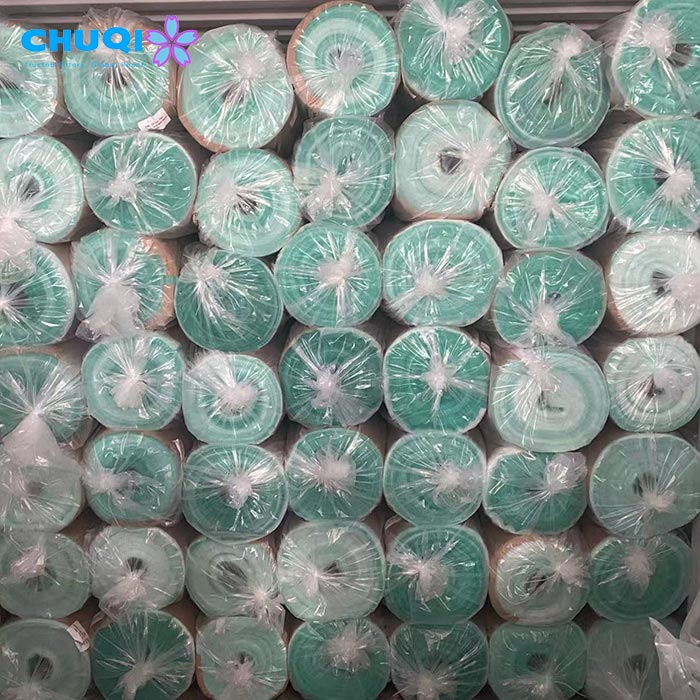
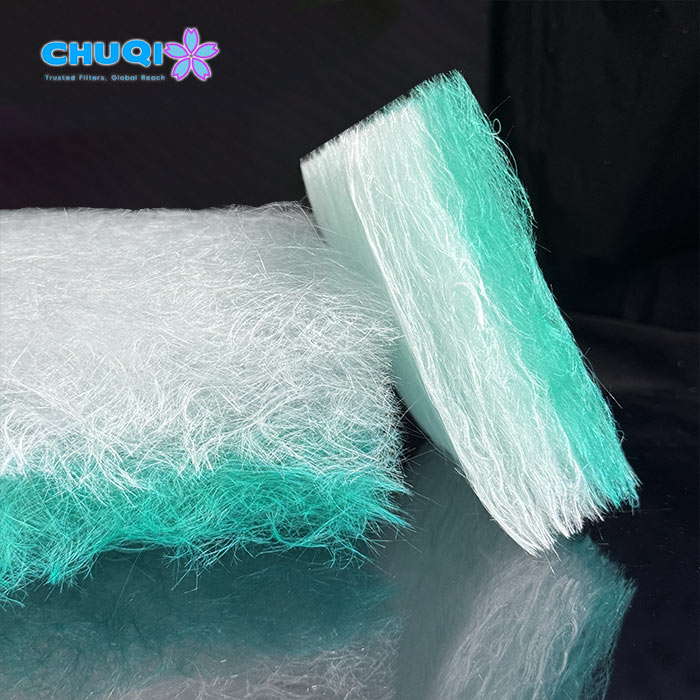
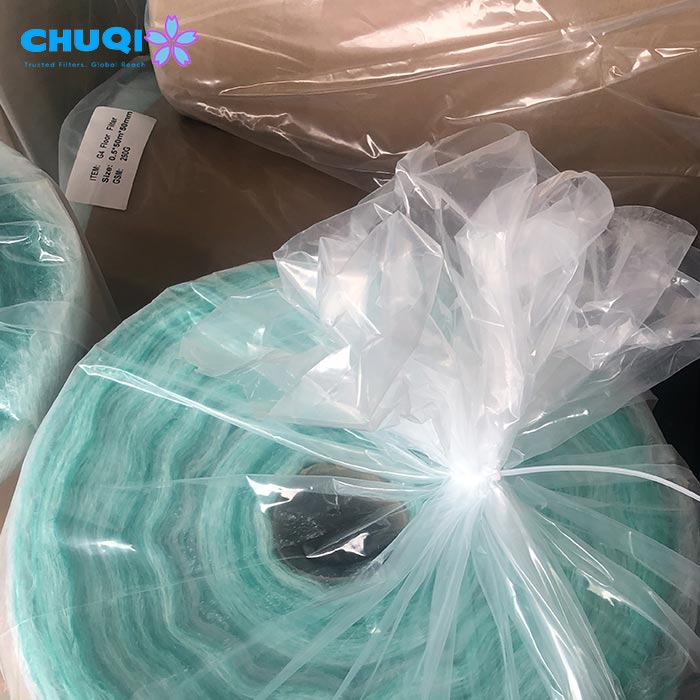
Confirm That the Products and Delivery Terms Are Comparable
Before calculating unit prices, make sure the quotations cover materials that meet the same requirements and can be brought to the same delivery condition.
| Comparison Point | What to Establish |
|---|---|
| Material | Grade, specifications and relevant performance information |
| Quantity | Roll dimensions, pad dimensions and pack quantities |
| Pricing unit | Per roll, square metre, pad or pack |
| Currency | A consistent currency and conversion basis |
| Delivery scope | Included packing, freight and other applicable charges |
A pack price must be divided by the number of pads in the pack before it can be compared with a single-pad price. Likewise, a quotation excluding freight should not be compared directly with one that includes delivery.
Keep dimensions consistent, too. If quotations use inches, feet, millimetres or metres, convert them before calculating area or cutting output.
Similar colour or thickness does not establish equivalent material performance. For help comparing physical specifications, see Paint Stop Media Thickness and Basis Weight: How to Compare Specifications.
Calculate the Price per Square Metre
Price per square metre removes the effect of different roll widths and lengths. It shows the purchase cost of the supplied area before cutting and other additional expenses.
Convert Roll Dimensions into Area
Use these formulas:
Roll area (m²) = width (m) × length (m).
Price per m² = roll price ÷ roll area.
Convert both dimensions to metres first.
Compare the Area Price, Not Just the Roll Price
Consider these two quotations:
| Item | Roll A | Roll B |
|---|---|---|
| Width | 1 m | 1.2 m |
| Length | 20 m | 20 m |
| Price per roll | US$100 | US$108 |
| Area per roll | 20 m² | 24 m² |
| Price per m² | US$5.00 | US$4.50 |
Roll B costs more to purchase, but its price per square metre is lower.
That makes it cheaper by supplied area—not necessarily by finished-pad output.
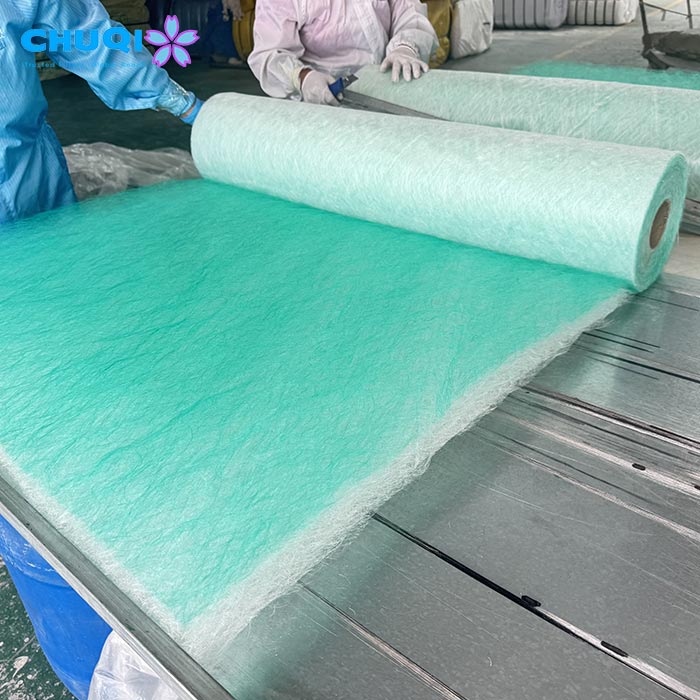

Calculate the Cost per Usable Finished Pad
For a converter, the useful comparison is how much material cost is allocated to each acceptable pad in the required size.
Check the Cutting Layout
Assume the required pad dimensions are 0.5 m × 0.5 m.
The following straight cutting layout excludes cutting gaps, edge trimming and defects. It is a planning example, not a guaranteed production yield.
| Item | Roll A | Roll B |
|---|---|---|
| Pads across the width | 2 | 2 |
| Rows along the length | 40 | 40 |
| Planned output | 80 pads | 80 pads |
| Material purchase cost | US$100 | US$108 |
| Material cost per pad* | US$1.25 | US$1.35 |
Assuming the full roll cost is allocated to these pads and no value is assigned to remaining material.
Both rolls produce 80 pads in this layout. Roll B’s additional width leaves a strip that is too narrow for another column of the required pads.
As a result, Roll B has the lower area price but the higher material cost per target pad under these assumptions.
Dividing roll area by pad area would miss this layout restriction.
Account for Offcuts Consistently
Remaining material is not automatically waste. If an offcut has a defined use in another product or order, a reasonable share of the material cost can be allocated to it.
However, a possible future use is not the same as a confirmed requirement. Do not assume every offcut will become saleable stock.
Use the same allocation method when comparing options. Otherwise, one roll may appear cheaper simply because its remaining material has been valued more optimistically.
Use Acceptable Output for Final Costing
A cutting layout gives a planned quantity. Actual output may be lower after trimming, cutting errors or rejected pieces.
Use:
Material cost per pad = material cost allocated to the batch ÷ acceptable finished pads.
Production records can help refine future estimates. Without them, identify the calculation as a planning figure rather than applying an unsupported standard waste percentage.
Add Packing, Freight and Necessary Handling
Material cost per pad is only part of the purchase comparison. Add the outstanding costs needed to bring each option to the same destination and usable or saleable condition.
| Cost Category | Possible Items |
|---|---|
| Processing | Cutting, sorting, counting and related labour |
| Packaging | Bags, labels, cartons and packing work |
| Transport | Freight and local delivery |
| Import-related costs | Applicable clearance charges, duties and taxes |
| Additional handling | Work needed to reach the agreed condition |
For resale, compare equivalent sales packs. For factory use, compare products delivered and prepared to the same stage before installation.
Add Only What Is Not Already Included
If pre-cut pads include cutting, do not add another cutting charge. If freight is included for part of the journey, add only the outstanding transport costs.
The reverse matters as well: a charge absent from a quotation may still be payable elsewhere.
Check the scope of each offer rather than applying an identical list of extra charges to all suppliers.
Compare the Complete Purchase Options
Now add Option C: 80 pre-cut pads measuring 0.5 m × 0.5 m.
The example assumes that all three options meet the same material requirements and reach equivalent packing and delivery conditions. Rolls A and B each produce 80 acceptable pads, and Roll B’s remaining strip has no assigned value.
| Item | Roll A, Cut Locally | Roll B, Cut Locally | Pre-Cut Pads C |
|---|---|---|---|
| Material purchase | US$100 | US$108 | US$112 |
| Additional cutting | US$12 | US$12 | Included |
| Equivalent packing | US$8 | US$8 | US$8 |
| Freight | US$20 | US$24 | US$20 |
| Illustrative total | US$140 | US$152 | US$140 |
| Acceptable pads | 80 | 80 | 80 |
| Cost per pad | US$1.75 | US$1.90 | US$1.75 |
Costs not shown are excluded from this illustration. Add them where applicable to an actual purchase.
The results show why the original unit price is not enough:
Roll B has the lowest price per square metre, but the highest cost per finished pad in this example.
Pre-Cut Pads C cost more to purchase than Roll A, but the totals are equal after local cutting is included.
When total costs are close, consider how each option fits your operation. Rolls may offer useful flexibility for changing dimensions, while pre-cut pads may reduce local processing for repeat fixed-size orders.
For a broader supply-format comparison, see Paint Arrestor Rolls vs. Pre-Cut Pads: Which Should You Buy?
Start with the Sizes You Actually Need
Your regular roll dimensions or finished-pad sizes provide a practical starting point for comparing offers.
Explore Chuqi’s fiberglass paint arrestor media, or contact Chuqi to discuss roll and pre-cut pad requirements, including available dimensions and packing arrangements.
If a physical reference would help, you can also request a free sample for an initial material inspection or cutting and installation assessment. Sample specifications, quantities and shipping arrangements require confirmation.
Frequently Asked Questions
1. Is the lowest price per roll always the cheapest option?
No. Roll widths and lengths affect how much material is supplied. Compare price per square metre first, then account for usable pad output and any additional processing, packing and delivery costs.
2. How do I calculate paint arrestor price per square metre?
Divide the roll price by its area. Calculate area by multiplying width by length, with both dimensions expressed in metres. The result is the material price per square metre before any costs not included in the roll quotation.
3. Can I divide roll area by pad area to calculate pad quantity?
That gives an area-based theoretical quantity, not necessarily a workable cutting yield. Check how the pad dimensions fit across the roll and along its length, including any trimming requirements.
4. How should offcuts be included in the calculation?
Allocate the cost of unusable offcuts to the finished output. Remaining material with a defined use may receive a reasonable share of the material cost. Apply the same method across the options being compared.
5. Can pre-cut pads cost less overall than rolls?
Yes. A higher purchase price can be offset by lower local cutting, labour and handling costs. Compare matching material requirements, finished sizes, quantities and delivery conditions before deciding.