
To buy bulk paint arrestor rolls for converting or resale, start with your finished selling sizes and pack quantities. Then compare the media grade, roll dimensions, usable cutting yield, and total cost after delivery—not just the price per roll.
For converters cutting media into pads or narrower rolls, the right format should suit both the finished product and the processing setup. For distributors reselling full rolls, it should match the sizes customers actually order. Pre-cut pads are another option when you want to sell finished sizes without handling the cutting yourself.


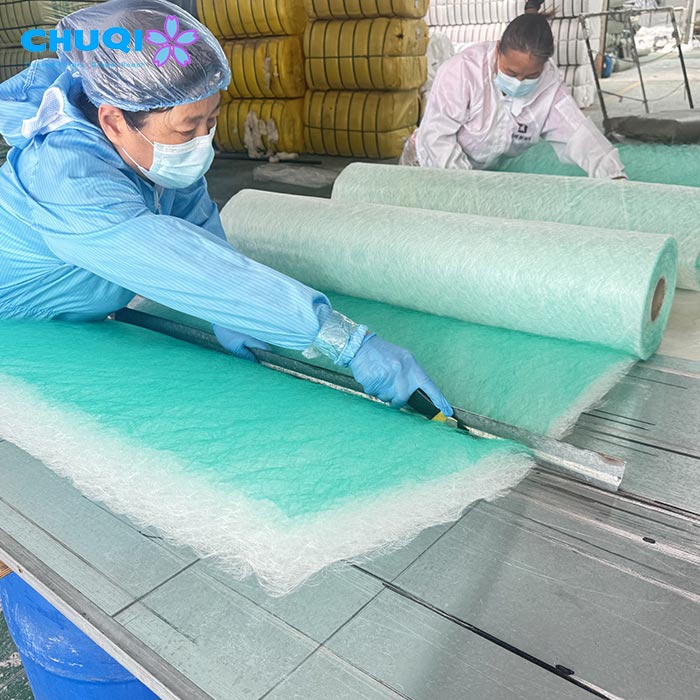
Start with the Products Your Customers Buy
Your sales format determines what matters most in a bulk purchase. Establish whether the material will be resold as supplied, cut into pads, or prepared for a specific equipment or project order.
| Sales Format | Main Purchasing Considerations |
|---|---|
| Full-roll resale | Customer-required widths and lengths, packaging, and delivery costs |
| Cutting rolls into pads | Finished pad sizes, cutting layouts, and pack quantities |
| Converting into narrower rolls | Target widths, slitting methods, and handling requirements |
| Equipment or project supply | Finished dimensions, quantities per set, and repeat-order needs |
Start with the sizes you expect to sell regularly rather than trying to cover every possible requirement in the first order. A roll format that suits your main products may be more useful than one that can produce many sizes you rarely sell.
If you are still choosing a supply format, see Paint Arrestor Rolls vs. Pre-Cut Pads: Which Should You Buy? for a broader comparison.
Choose Roll Dimensions Around Your Finished Sizes
The most suitable roll dimensions are those that fit your cutting plan, processing conditions, and order pattern. A wider or longer roll is not automatically the better purchase.
Match Roll Width to Your Cutting Layout
Prepare a simple layout using your main pad sizes before comparing roll widths.
Check how many pads fit across the material, how much edge trim remains, and whether changing the layout improves usable yield. The selected width should also be practical for your worktable, cutting equipment, and operators to handle.
When one roll will be used for several pad sizes, consider the sales volume of each size. Offcuts only contribute value if they can be used for products you actually need. Material saved for an unlikely future order should not be counted as usable output in the same way as saleable pads.
Match Roll Length to Your Production and Stocking Pattern
For in-house cutting, assess how each roll fits your normal production batch and how partially used material will be stored and identified.
For full-roll resale, use your customers’ preferred order formats as the starting point. Buying a longer roll offers little advantage if it must be converted locally into the sizes customers normally purchase.
Compare any unit-price saving with the additional stock commitment. Larger orders make more sense when the material has a clear processing or sales plan.
Consider Pre-Cut Pads If You Do Not Want to Handle Cutting
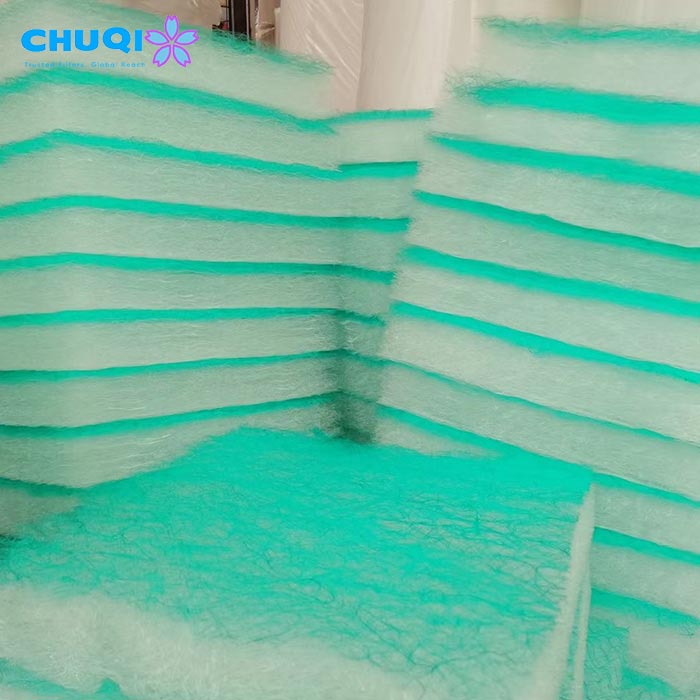
Pre-cut paint arrestor pads can be a practical alternative when your selling sizes are established and you do not need the flexibility of in-house cutting.
Buying finished pads can offer several advantages:
Fewer processing steps. You do not need to organize roll measuring and cutting at your premises.
Less demand for cutting space and equipment. This can suit distributors and sellers without a dedicated converting operation.
Simpler costing by selling unit. Purchasing can be compared per pad or pack, with delivery and any additional packaging costs added separately.
Easier stock planning for fixed sizes. Orders and replenishment can follow the finished dimensions you sell.
Less local offcut handling. You do not need to sort and store cutting remnants.
Rolls may still suit businesses handling frequent size changes or cutting against individual customer orders. Pre-cut pads may suit repeat demand for a smaller range of fixed dimensions.
Compare both routes using the same media grade, finished sizes, and quantities. Available pad dimensions, tolerances, minimum order quantities, and packing options should be discussed with the supplier.

Compare Cost per Saleable Pad or Pack
The useful purchasing comparison is the cost of the products you can sell, not simply the cost of the material you receive.
First, compare roll quotations on the same area basis. Then account for the expected finished output and the work required to prepare it for sale. When comparing rolls with pre-cut pads, use the same finished dimensions and quantities.
| Cost Item | What to Include |
|---|---|
| Material | The quoted grade, dimensions, and order quantity |
| Delivery | Freight, applicable import charges, and local transport |
| Processing | Cutting labor, equipment use, and handling time |
| Packaging | Bags, cartons, labels, and packing labor |
| Material loss | Unusable trim and rejected pieces, reflected in the usable output |
A practical calculation is:
Cost per saleable pack = total batch cost for delivered material, processing, and packaging ÷ number of saleable packs.
Use the actual expected output rather than the theoretical maximum. If cutting or packaging is already included in the quotation, do not add the same charge again.
For international purchases, compare quotations on the same delivery basis. A price that excludes freight and import charges should not be compared directly with a price that includes them.
Compare the Same Media Grade
Cost comparisons only become meaningful when the materials meet the same purchasing requirements.
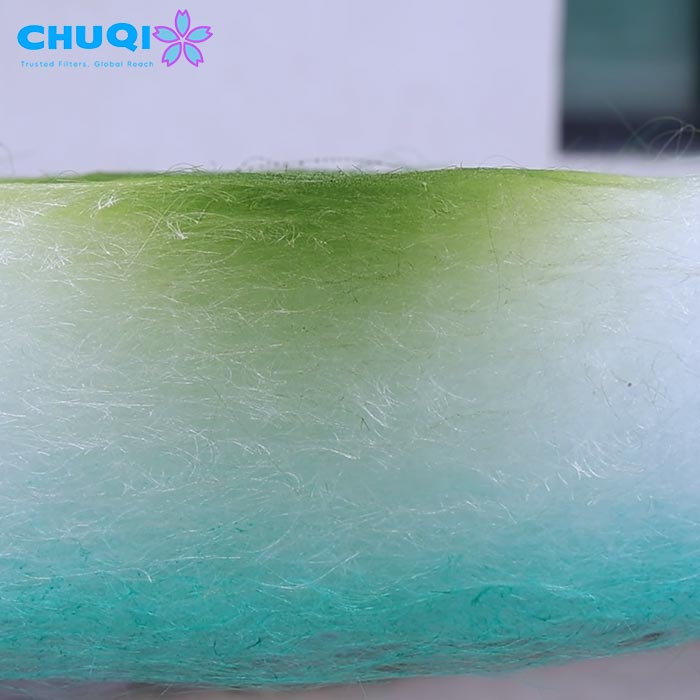
Similar color or thickness does not establish equivalent application suitability or performance. Define the intended media grade before deciding which roll format or price is preferable.
For more on application-based selection, see How to Choose Fiberglass Paint Stop Media for Your Spray Booth.
Test the Processing Route Before Scaling Up
Use an initial sample to answer the questions that matter to your operation. A visual inspection alone will not show whether the material works well with your intended cutting and packing process.
Trial the Intended Cutting Method
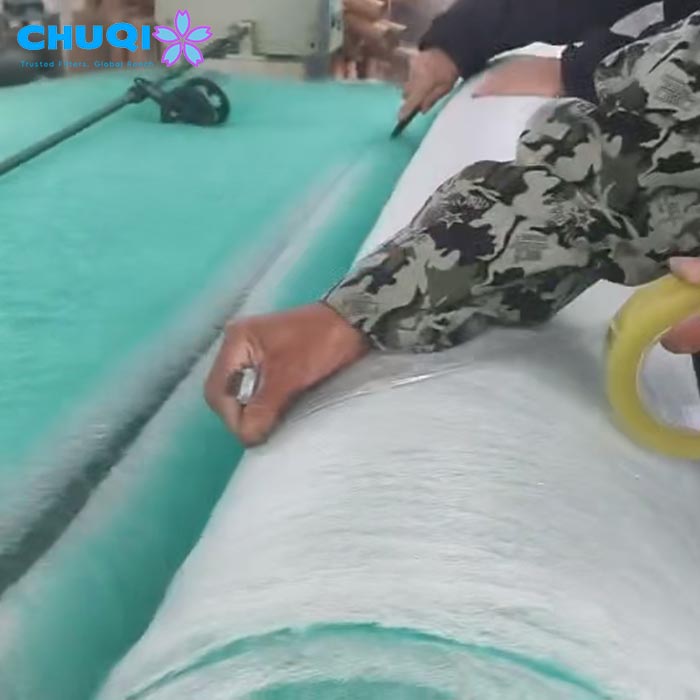
If you plan to convert rolls, use the cutting method intended for production. Check whether the target dimensions can be achieved and whether the material is convenient to position, cut, and move between operations.
Keep measurement conditions consistent. Avoid comparing a piece measured under tension with another measured while compressed.
The sample size also limits the assessment. A small piece may support a basic cutting check, but it cannot demonstrate a complete production layout or continuous roll handling.
If you plan to buy pre-cut pads, focus on the supplied dimensions and handling instead of repeating a roll-cutting trial.
Pack the Quantity You Intend to Sell
Prepare a trial pack using your planned sales quantity. Check whether the pads are easy to count, arrange, pack, and remove.
This also helps establish whether the proposed bag or carton is suitable and whether the size and quantity labels are clear.
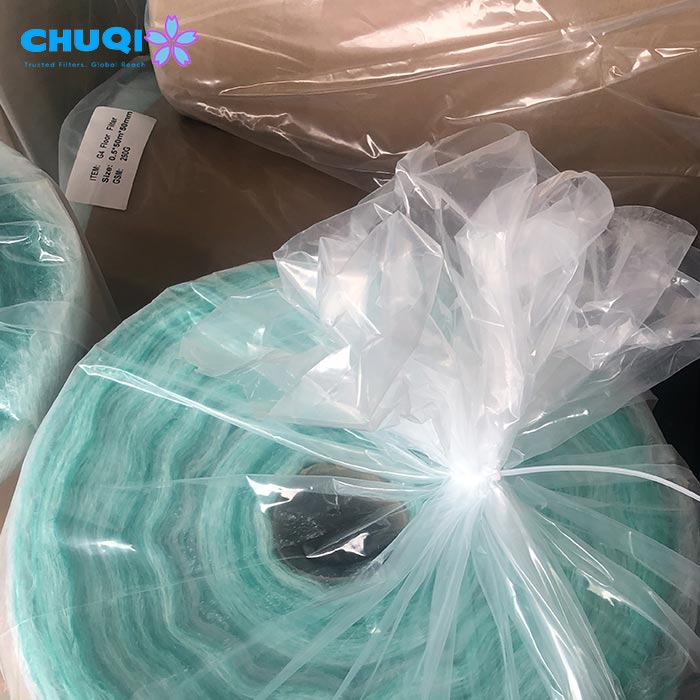
If compression packing is proposed, discuss it before ordering and assess the material after unpacking. Do not assume that one packing method is suitable for every media construction.
Keep Processing and Application Assessments Separate
A successful cutting trial shows that the material can be processed in the way tested. It does not, by itself, verify filtration performance or suitability for the customer’s operating conditions.
Assess the media grade and intended application separately from the cutting and packing process.
Plan Packaging Around Your Sales Channel
Define the sales unit before finalizing packaging: a single pad, a multipack, a set for an equipment order, or a full roll.
Bulk Packs for Industrial Customers
For industrial supply, organize quantities around practical receiving, storage, and usage needs.
Labels should clearly identify the agreed product or grade, dimensions, quantity, and any order or batch reference used for traceability.
For equipment-related orders, distinguish individual pad quantities from quantities per set and per carton. Use the same counting method on the purchase order, packing list, and packaging.
Smaller Packs for Distribution and Online Sales
For smaller packs, keep the product listing, label, and contents consistent. Customers should be able to identify exactly how many pads they are buying and what dimensions they will receive.
Where both inches and millimetres are used, specify the ordering dimensions and any agreed nominal-size convention. Do not let rounded conversions create a different specification.
Only use compatibility, performance, or certification claims supported by documentation applicable to the product being sold. Repacking the media does not expand the scope of those claims.
Individual bags, custom labels, and other packaging services should be discussed separately unless they are already included in the quotation.
Keep an Agreed Specification for Repeat Orders
Once a material and supply format have been evaluated, retain a clear specification for reordering.
Record:
Material name or grade reference.
Roll dimensions or finished pad sizes.
Agreed dimensional tolerances and measurement method.
Pack quantities, labels, and carton requirements.
Approved sample or evaluation references.
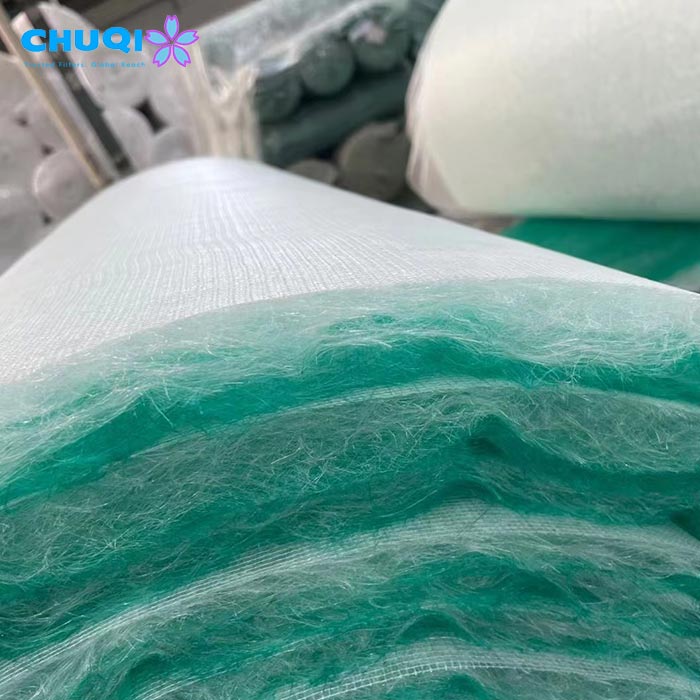
“The same green roll” is not a sufficient specification on its own. A documented reference gives both parties a clearer basis for confirming repeat orders.
If the selling size, processing method, or customer requirement changes, review the specification before ordering again.
Find a Supply Format That Fits Your Finished Sizes
Your regular selling sizes are a useful starting point for reviewing Chuqi’s fiberglass paint arrestor media.
To explore a suitable purchasing route, contact Chuqi to discuss roll or pre-cut pad requirements, or request a free sample for an initial assessment. Available dimensions, packing options, and sample specifications, quantities, and shipping arrangements require confirmation.
Frequently Asked Questions
1. Can one roll size be used to make several pad sizes?
Yes, provided the cutting layouts and processing setup accommodate them. Compare the usable yield for your main selling sizes, and only count offcuts as useful material when there is a realistic plan to use them.
2. Is the widest roll always the cheapest option?
No. A wider roll may create more trim or require different handling arrangements. Compare the cost per saleable pad or pack after delivery, cutting, and packaging.
3. Are pre-cut pads a better choice for resale?
They can be a practical choice when selling sizes are fixed and you do not want to manage cutting. Rolls may offer more flexibility when sizes change frequently. Compare both options using the same material grade, dimensions, quantities, and delivery basis.
4. What should I do if my customers order in inches but the quotation uses millimetres?
Agree on the ordering dimensions, units, and tolerances before purchasing. Clarify any nominal-size convention rather than relying on rounded conversions between inches and millimetres.
5. Can I request a sample for cutting and packing tests?
You can request a free sample from Chuqi and explain the intended assessment. The sample should be large enough for the question being tested. Specifications, quantities, and shipping arrangements require confirmation.
6. Does cutting the media confirm the performance of the finished pad?
No. Cutting establishes the finished dimensions, not the filtration performance. Any performance information should apply to the purchased media grade and be interpreted within its documented test conditions and scope.