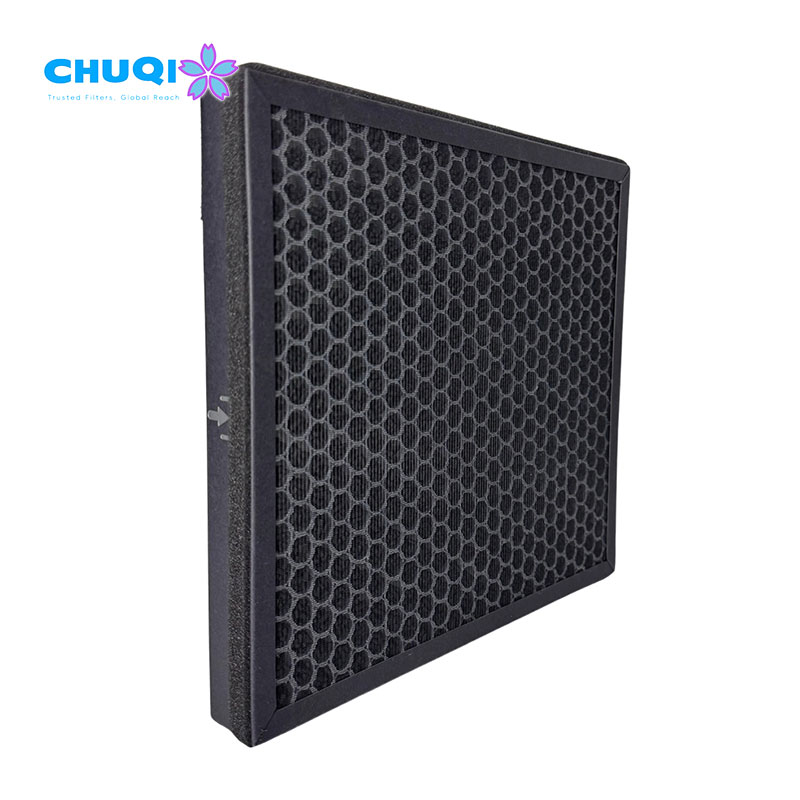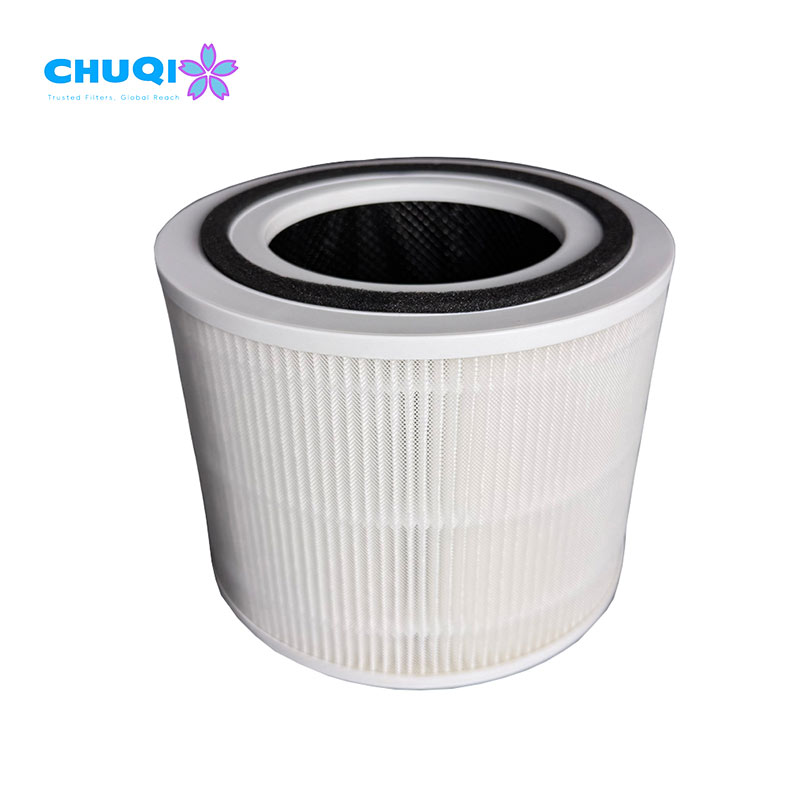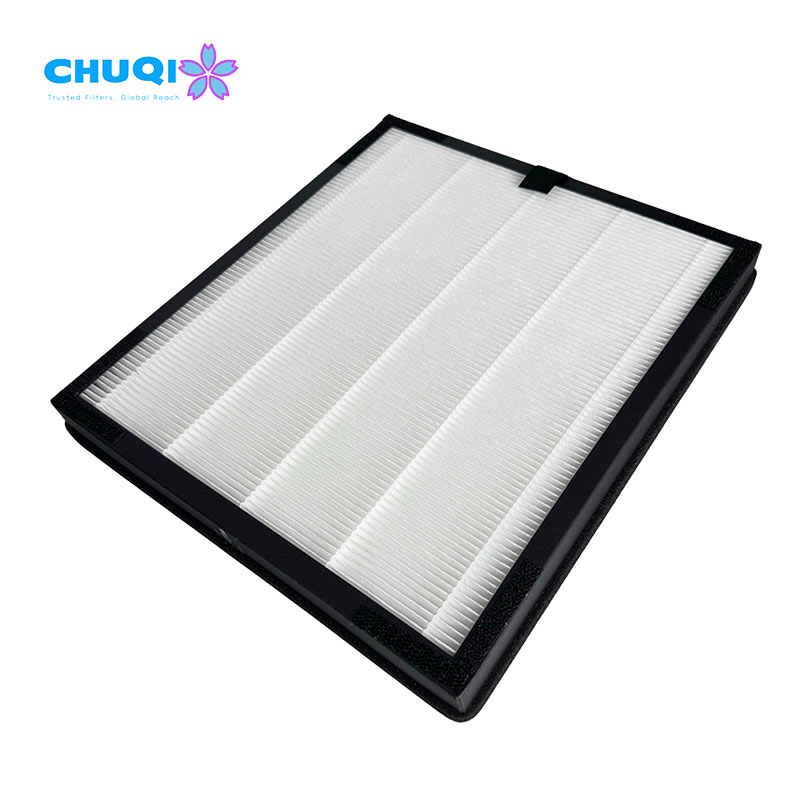
In 2026, the industrial filtration landscape is shifting. As energy costs fluctuate and emission regulations tighten, facility managers are no longer just looking for a “part that fits”—they are looking for high-performance solutions that lower total cost of ownership (TCO).
When the original equipment (OEM) filters are too expensive or lead times become a bottleneck, partnering with a professional replacement filter element factory becomes the smartest move for your supply chain resilience.
 Why Partner with a Direct Factory?
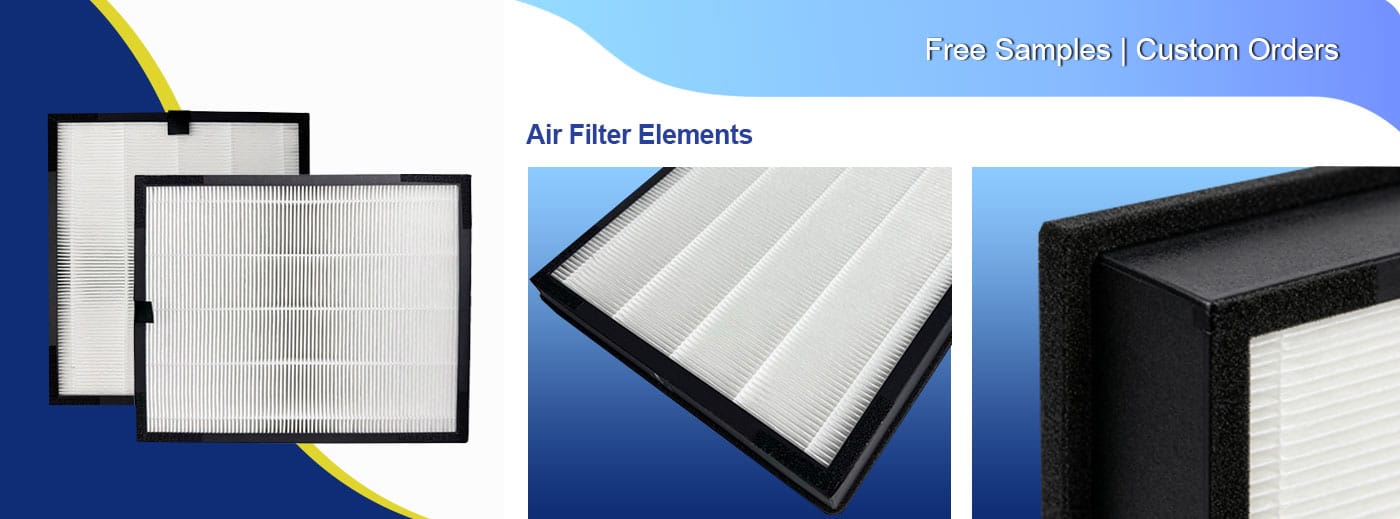 Why Partner with a Direct Factory?
Buying directly from a factory rather than a distributor offers three critical advantages for global industrial buyers:
Customization to Your Environment: Industrial settings vary wildly—from high-dust manufacturing to high-humidity HVAC environments. A specialized factory can adjust filter media density, surface area, and sealing materials to match your specific application, unlike “one-size-fits-all” retail parts.
Focus on Energy Efficiency: Today’s best-in-class filters are designed for low pressure drop. By choosing a factory that understands flow dynamics, you can significantly reduce the energy load on your ventilation fans and air compressors, translating into substantial monthly savings.
Speed to Market: In a globalized economy, downtime is your biggest enemy. We specialize in rapid prototyping and high-volume production, ensuring that your replacement inventory is always replenished before your system hits the red zone.
Key Trends Shaping Procurement in 2026
The Rise of Recycled & Sustainable Media: Global buyers are increasingly asking for filters that don’t just capture dust but also minimize environmental impact. We are tracking the shift toward high-efficiency synthetic fibers that offer better durability with lower carbon footprints.
IoT-Ready Filtration: As industrial plants adopt more “smart” sensors, they require filter elements that maintain consistent performance profiles for easier integration with predictive maintenance software.
Performance Standardization: Buyers are prioritizing certifications (ISO 16890, etc.). When you evaluate a replacement filter element factory, ensure they provide third-party verified test reports to guarantee that their replacement filters meet or exceed OEM specifications.
What to Look for When Choosing Your Supplier
When you evaluate potential manufacturing partners, don’t just look at the unit price. Focus on these three metrics:
Media Integrity: Does the filter maintain its filtration efficiency over its entire service life without collapsing?
Seal Reliability: Are the gaskets and housings designed to prevent “bypass”—where dirty air leaks around the filter?
Traceability: Can the supplier provide batch-level quality control documentation?